Emergency Plumbing Guide: What to Do Before Help Arrives
Sometimes, plumbing emergencies crash into your day like a thunderstorm. One moment, you’re washing dishes. The next, water’s spilling where it shouldn’t. Pipes burst. Toilets overflow. Drains gurgle and your heart skips a beat.
At Plateau Plumbing, we know how stressful these moments are. We’ve helped families in your shoes—panicked, standing in puddles, wanting answers fast. This guide is for you. Read it now, print the checklist, and keep it handy. When every second counts, knowing what to do makes all the difference.
Recognizing a Plumbing Emergency 🚨
Not every drip is a disaster, but some warning signs are red flags waving in a storm. If you notice any of the following, you might be facing a true emergency:
- Water flooding from pipes, sinks, or appliances
- Sewage backing up into tubs or toilets
- No running water in the whole house
- Sudden drop in water pressure with loud banging noises (water hammer)
- Strong smell of gas near your boiler or gas lines
- Frozen, cracked, or burst pipes in winter
- Water heater leaking or spraying
Think of your home’s plumbing like the veins and arteries of your house. If something bursts or blocks up, the whole system is at risk. It’s not just a mess—it can be dangerous.
Immediate Steps for Safety
When a plumbing emergency strikes, your first job is to keep your family and home safe. Slow, steady hands will help you more than panic.
1. Shut Off Water Supply
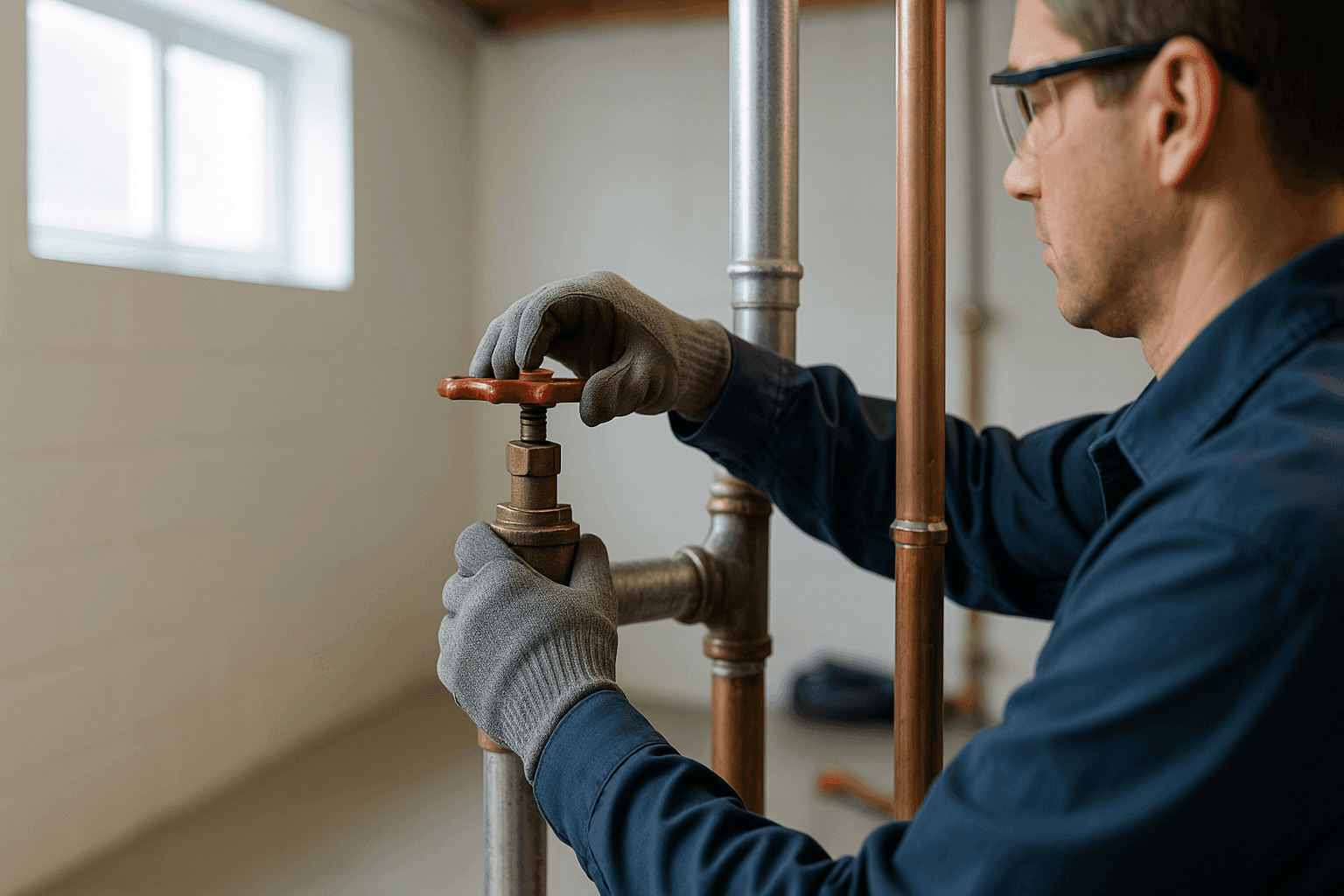
- Main shutoff valve: Usually found in your basement, crawl space, or where the main water line enters your home.
- Toilets and sinks: Look for small shutoff valves under the fixture.
- Appliances: Washing machines and dishwashers have supply valves behind or near them.
Turning these off is like closing a dam upstream. You cut off the flow and stop more water from flooding in.
2. Switch Off Electricity (If Needed)
If water is near outlets or electrical panels, don’t risk it. Head to your breaker box and flip the main switch only if you can reach it safely. Electricity and water together are a recipe for disaster.
3. Move Belongings
Lift rugs, furniture, and valuables out of harm’s way. Place towels to soak up small puddles. But don’t wade into deep water—safety first.
4. Ventilate if You Smell Gas
If you suspect a gas leak (rotten egg smell), open windows and doors. Don’t use electrical switches or phones inside. Leave the area immediately and call your utility provider from outside.
How to Control Leaks or Overflows
Small leaks can grow fast. Here’s how to buy time before a professional arrives:
- Buckets and towels: Catch drips and soak up water around trouble spots.
- Tighten fittings: If you see water spraying from a loose joint, try hand-tightening with a wrench.
- Temporary patch: Wrap a piece of rubber or cloth around a small pipe crack and clamp it.
- Toilet overflow: Remove the tank lid and lift the float to stop more water from filling.
- Clogged drain: Gently use a plunger. Skip harsh chemicals—they can worsen damage.
What Not to Do
- Don’t ignore signs of sewage backup—this can pose serious health risks.
- Don’t use electrical appliances in wet areas.
- Don’t try to fix gas leaks yourself.
- Don’t pour boiling water or store-bought chemicals down blocked drains; these can crack pipes or make clogs worse.
- Don’t panic. Quick, careful action does more than rushing in.
When to Call an Emergency Plumber 📞
Some problems can’t wait. If you experience any of the following, call Plateau Plumbing immediately:
- Water pouring from ceilings, walls, or floors
- Sewage smells or visible waste in your home
- No water at all, especially in winter (risk of frozen pipes)
- Gas smells or hissing sounds near your gas line or boiler
- Recurring clogs that don’t clear with a plunger
Remember, time is water—and money. The sooner you act, the less damage you’ll have to fix later.
Trust Credentials: Licensed, Insured, Background-Checked Technicians
Letting someone into your home is personal. At Plateau Plumbing, our team is fully licensed and insured. Each technician undergoes thorough background checks and stays current with training. We follow local building codes and safety guidelines from bodies like the International Association of Plumbing and Mechanical Officials (IAPMO) and the National Fire Protection Association (NFPA) for gas safety.
Nationwide Service Availability
Whether you need kitchen plumbing near you, or pipe repair across town, Plateau Plumbing’s emergency team can help. Our service is available 24/7, all year round, for residential customers. We come prepared for everything from leak detection to sewer line repair.
Printable Emergency Plumbing Checklist 📝
Keep this checklist on your fridge or near your breaker box:
- [ ] Know where your main water shutoff valve is (and test it once a year)
- [ ] Learn how to turn off water to toilets, sinks, and appliances
- [ ] Locate your breaker box and know how to shut off power safely
- [ ] Store towels, buckets, and a basic wrench in an easy-to-find spot
- [ ] Have Plateau Plumbing’s number saved in your phone
- [ ] Teach everyone in your home these steps
- [ ] Keep important documents and valuables off the floor
Print this out. Familiarize yourself. In an emergency, you won’t have time to look it up.
Practical Tips for Every Home
- Annual inspections: Catch problems early with preventative maintenance, including backflow testing and pipe inspection.
- Insulate pipes: Reduce risk of freezing in cold climates.
- Check appliance hoses: Replace them every 3–5 years.
- Test sump pumps: Especially before rainy seasons.
- Install water alarms: These handy devices alert you to leaks before they become floods.
Refer to your local building codes for updates on plumbing safety requirements. The U.S. Environmental Protection Agency (EPA) also offers tips on preventing water waste and contamination.
What Pros Do On Arrival
When an emergency plumber from Plateau Plumbing arrives, they:
- Assess the source and scope of the problem
- Shut off water or gas if not already done
- Use specialized tools for leak detection and sewer line inspection
- Make safe, immediate repairs to stop further damage
- Explain what caused the issue and how to prevent it in future
We wear protective gear, follow industry safety guidelines, and treat your home with respect.
Prevention & Maintenance: Your Best Defense
Most plumbing emergencies start as small issues. A dripping faucet. A slow drain. A loose fitting. Ignoring these is like driving with a warning light flashing. Schedule regular maintenance for:
- Boiler and water heater inspections
- Backflow prevention device testing
- Drain cleaning and pipe checks
- Water filtration system servicing
Preventative steps now save big headaches (and bills) later.
Costs & Time Factors
Every emergency is different. Time and cost depend on the problem’s size, your home’s layout, and how quickly you reach out. Here’s what to expect:
- Arrival time: Most emergency calls are handled within hours, day or night.
- Duration: Simple fixes, like unclogging toilets, take 30–60 minutes. Major pipe or sewer repairs can take several hours.
- Costs: Emergency plumbing services often carry after-hours or urgent-response fees. Materials, labor, and repair scope also affect price.
It’s always cheaper to act fast than to wait and let water do its worst.
When It’s an Emergency
How do you know when a problem can wait? Here’s a quick guide:
- Emergency: Flooding, sewage, no water, burst pipes, gas leaks, water heater explosions
- Urgent but not emergency: Slow leaks, low water pressure, minor clogs
- Routine: Fixture upgrades, water filtration system installation, preventative maintenance
If you’re unsure, play it safe. Call Plateau Plumbing. We’re happy to help you decide.
FAQ: Common Emergency Plumbing Questions
Q: How do I find my main water shutoff valve?
A: Check where the water line enters your home—often in the basement, garage, or utility closet. It usually looks like a round wheel or lever.
Q: Can I use duct tape to stop a pipe leak?
A: Duct tape is only a temporary fix for small drips. Use rubber and clamps if possible, and call a professional right away.
Q: Is a leaking water heater dangerous?
A: Yes. Leaks can cause water damage and, if near electrical components, may be a fire risk. Shut off power and water supply, then call Plateau Plumbing.
Q: What should I do if my toilet won’t stop overflowing?
A: Turn off the water supply valve behind the toilet. Remove the tank lid and lift the float. Don’t flush again until help arrives.
Local & Seasonal Considerations
Winter brings frozen pipes. Heavy rains push sump pumps to their limits. In older homes, pipe corrosion or tree roots in sewer lines are more common. Know your local risks. Ask your neighbors or city water department about seasonal hazards in your area.
- Winter: Insulate exposed pipes, disconnect hoses outside, keep a trickle of water running during cold snaps.
- Rainy seasons: Test sump pumps and clear gutters.
- Older homes: Schedule periodic sewer line inspections.
Stay Ready—And Stay Calm
Plumbing emergencies can upend your life in seconds. But with a clear head and a quick checklist, you can keep the damage to a minimum until our crew arrives. Plateau Plumbing is here for you—day or night, rain or shine.
Call Plateau Plumbing now — or reach us anytime at 888-992-7122 .