The Homeowner's Guide to Sewer Line Repair and Replacement
Has your nose caught a whiff of something foul around your yard? Maybe your drains are slower than a lazy river, or there’s a soggy patch in your grass that refuses to dry. These signs can make any homeowner’s heart skip a beat. Sewer line trouble isn’t just inconvenient—it’s time-sensitive, and waiting can mean bigger headaches and higher repair bills.
At Plateau Plumbing, we know how urgent and stressful these situations can feel. Our licensed, insured team is here for those moments when you can’t wait. If you need emergency plumbing or just want peace of mind, you’re in the right place. Let’s break down what every homeowner should know about sewer line repair and replacement—without the jargon, just clear answers.
Signs of Sewer Line Trouble 🚨
Sewer problems rarely announce themselves politely. Instead, they creep up quietly, then suddenly refuse to be ignored. Watch for these red flags:
- Slow Drains: If your kitchen sink, bathtub, and toilet all seem to drain at a snail’s pace, it could signal a blockage deep in your sewer line, not just a simple clog.
- Backups: Water bubbling up from a floor drain or toilet is a classic sign. It’s the plumbing’s way of waving a white flag. Backups in the lowest drain of your home usually mean a main line problem, not just a local clog.
- Unpleasant Odors: Persistent sewer smells inside or outside your home are more than just annoying. That telltale rotten egg whiff can signal a crack or break in your line.
- Lush, Soggy Spots in the Yard: When one patch of grass grows greener than the rest—or you notice standing water—it could mean your sewer line is leaking underground.
- Gurgling Sounds: Odd noises from toilets or drains often hint at air trapped by a blockage.
Notice more than one of these? It’s time to act.
What Causes Sewer Line Problems?
Sewer lines are like the arteries of your home. When they’re healthy, life flows smoothly. When they get blocked or broken, everything backs up. The most common culprits include:
- Tree Roots: Roots are relentless in their search for water. They’ll sneak into tiny cracks, then grow and wedge pipes apart. Older clay or cast iron pipes are especially vulnerable.
- Aging or Fragile Pipes: Over time, pipes corrode, crack, or collapse. Older homes may have pipes that are decades beyond their prime.
- Ground Shifting: Soil settles, freezes, or shifts, putting pressure on your pipes until they crack or disconnect.
- Improper Installation: Sometimes, shortcuts in the original installation catch up years later. Bellied pipes or poor joints can cause recurring issues.
- Clogs from Grease or Debris: Flushing things like wipes, grease, or even food scraps will eventually stop up your main line.
Knowing the root cause (pun intended) helps you pick the right fix—and avoid repeat problems.
Sewer Camera Inspections: See Before You Dig
What to Expect
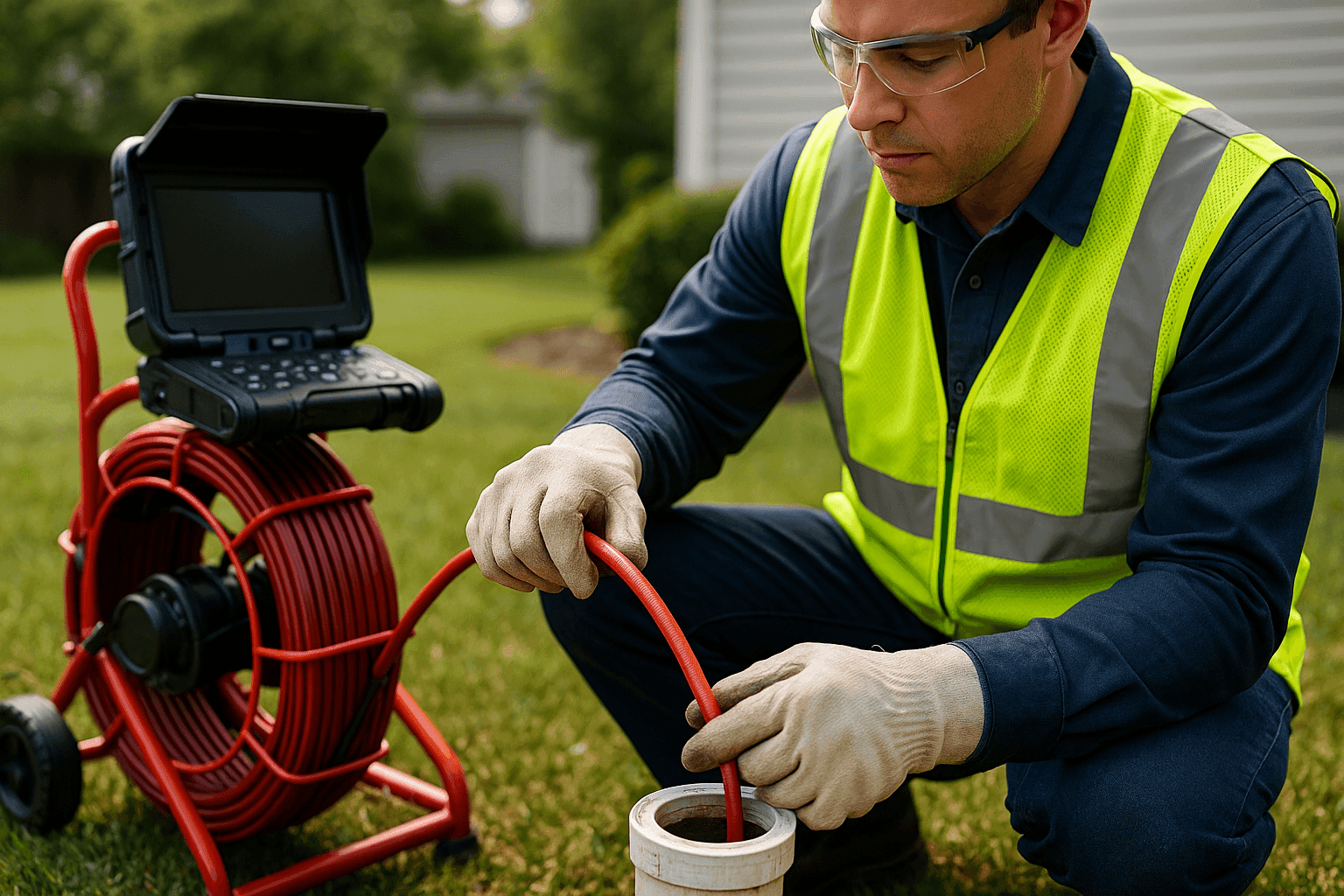
Ever wish you could see what’s happening inside your pipes without tearing up your yard? That’s where sewer camera inspections come in. Picture a plumber guiding a small camera through your pipes—like sending a scout ahead on a dangerous trail.
- No Guesswork: The camera shows the exact spot and cause of trouble—roots, cracks, or build-ups—so there’s no need for unnecessary digging.
- Video Evidence: Many pros can show you real-time footage, so you see the issue for yourself.
- Pinpoint Accuracy: We can locate the depth and position of the problem, which keeps repairs focused and efficient.
Trust in Up-to-Date Technology
Modern sewer cameras are a game changer. At Plateau Plumbing, we invest in the latest equipment because it means less disruption for you. According to the International Plumbing Code (IPC), proper diagnosis is key before any major repair. Camera inspections also help us ensure your fix is code-compliant and built to last.
Repair vs. Replacement: What Are Your Options?
Not all sewer problems call for the same solution. The right approach depends on the problem’s size, location, and your home’s layout. Here’s a plain-language look at your options:
- Trenchless Sewer Repair: If the damage isn’t too extensive, trenchless technology can fix or replace pipes without major digging. Methods like pipe bursting or lining can restore function with minimal yard disruption.
- Traditional (“Open Trench”) Repair: For severe breaks, collapsed pipes, or homes with tough access, digging may be unavoidable. It’s more invasive, but sometimes it’s the safest way to ensure a lasting fix.
- Spot Repairs: If the issue is limited to a small section, targeted repairs can resolve things quickly and cost-effectively.
Questions to Ask
- Is trenchless repair an option for my situation?
- How will you protect my landscaping and home?
- Will the repair meet all local plumbing codes?
Don’t be afraid to ask for details. A reputable emergency plumbing team will explain every step.
Costs and Timelines: What to Expect
Let’s face it—no one plans for sewer repairs. Costs and timelines depend on several factors:
- Extent of Damage: A minor crack costs less to fix than a collapsed main line.
- Repair Method: Trenchless is often quicker and less labor-intensive, but its suitability depends on your pipes and problem.
- Access: Pipes under driveways, trees, or patios may require extra work.
- Permits and Inspections: Local codes may require special inspections or permits, adding time and cost.
Cost Range: National averages for sewer line repairs range from several hundred for a simple fix to several thousand for full replacement. Timelines can range from a few hours (for minor repairs) to several days (for large or complex jobs).
Tip: Always ask for a clear, detailed estimate before work begins.
Choosing a Plumbing Team: What Matters Most
Your home deserves care by professionals who put safety and quality first. Here’s what to look for:
- Licensed and Insured: Plateau Plumbing holds all required state and local licenses, and we carry robust insurance to protect you and your property.
- Code Compliance: We follow all local and national plumbing codes, so your repair passes inspection and stands the test of time.
- Transparent Communication: We walk you through every step, so you’re never in the dark.
- Emergency Plumbing Availability: Sewer trouble doesn’t wait for business hours. Our team is ready whenever you need us.
When It’s an Emergency
Some sewer problems can’t wait. Call for emergency plumbing if:
- Water or sewage is backing up into your home.
- There’s a risk of structural or property damage.
- You smell strong sewer gas indoors (this can be a health risk).
- Plumbing fixtures throughout your home stop working at the same time.
Don’t hesitate—fast action can prevent bigger problems.
Quick Safety Checklist 🛠️
Before help arrives, protect your home and family:
- Stop using water in your home to prevent further backups.
- Keep children and pets away from affected areas.
- If you smell gas, leave your home immediately and call the gas company.
- Don’t attempt to open or repair main sewer lines yourself—safety first.
DIY or Call a Pro?
Some clogs are DIY-friendly. A plunger or small drain snake can clear minor toilet or sink blockages. But when:
- Multiple drains clog at once,
- You notice sewage odors or water in the yard,
- Or backups occur in low drains,
That’s when you need a professional. Sewer work often requires permits, inspections, and specialized equipment per local code (refer to the Uniform Plumbing Code for safety standards).
What Pros Do On Arrival
Here’s how a reputable team like Plateau Plumbing handles emergency plumbing calls:
- Assessment: We listen to your concerns and ask about recent issues.
- Inspection: A camera inspection pinpoints the problem.
- Diagnosis: We explain the cause and walk you through repair options.
- Estimate: You receive a detailed breakdown of work, time, and costs.
- Repair: Our crew works efficiently, respecting your home and property.
- Testing: We confirm repairs are complete and up to code before leaving.
Prevention & Maintenance Tips
Keep sewer line surprises at bay with good habits:
- Don’t flush wipes, hygiene products, or grease.
- Keep trees and large shrubs away from sewer lines.
- Schedule annual drain cleaning and inspections—especially for older homes.
- Watch for early warning signs and act quickly.
Resources like the Environmental Protection Agency (EPA) recommend regular inspections for homes in older neighborhoods or with known tree root issues.
Costs & Time Factors
Every home is different, but here’s what affects your bill and timeline:
- Extent of Damage: Small cracks vs. full collapse.
- Pipe Material: Clay, cast iron, and PVC have different repair needs.
- Repair Method: Trenchless usually means less labor and time, but isn’t always possible.
- Access: Hard-to-reach pipes cost more to fix.
- Local Codes: Permits and inspections add time but protect your investment.
Most repairs take a few hours to a few days. Full replacements may require city inspections, extending the timeline.
When It’s an Emergency
Don’t wait for sewage to invade your home. Call for emergency plumbing if:
- Sewage backs up into tubs, sinks, or toilets.
- You spot a persistent, unexplained sewage smell indoors or out.
- You see standing water in your yard, especially if it’s near your sewer line.
These issues can lead to property damage and health risks if ignored.
FAQ
Q: How do I know if I need a repair or full replacement?
A: Camera inspections pinpoint the damage. If it’s isolated, a spot repair may work. Widespread damage, sagging pipes, or severe root intrusion may require replacement.
Q: Can you repair sewer lines without digging up my yard?
A: In many cases, yes—trenchless methods minimize digging. But severe damage or poorly installed pipes may still require excavation.
Q: How long does a typical repair take?
A: Minor repairs can be done in a few hours. Full replacements, especially those requiring city inspection, may take several days.
Q: Will my insurance cover sewer line repairs?
A: It depends. Many policies don’t cover outdoor lines unless you’ve added specific coverage. Check with your insurance agent for details.
Local & Seasonal Considerations 🌧️
If you live in an older neighborhood or an area with lots of trees, you’re at higher risk for root intrusion and aging pipe problems. Freezing winters can also lead to ground movement and pipe cracks. After heavy rains, watch for soggy spots—these can signal an underground leak.
Regular preventative maintenance is especially important in these conditions. Schedule inspections before the rainy season or when buying a new home.
Don’t let a hidden sewer problem turn into a disaster. If you notice warning signs or just want peace of mind, Plateau Plumbing is ready to help—day or night.
Call Plateau Plumbing now — or reach us anytime at 888-992-7122 .