How Much Does Toilet Repair Really Cost? A Transparent Breakdown
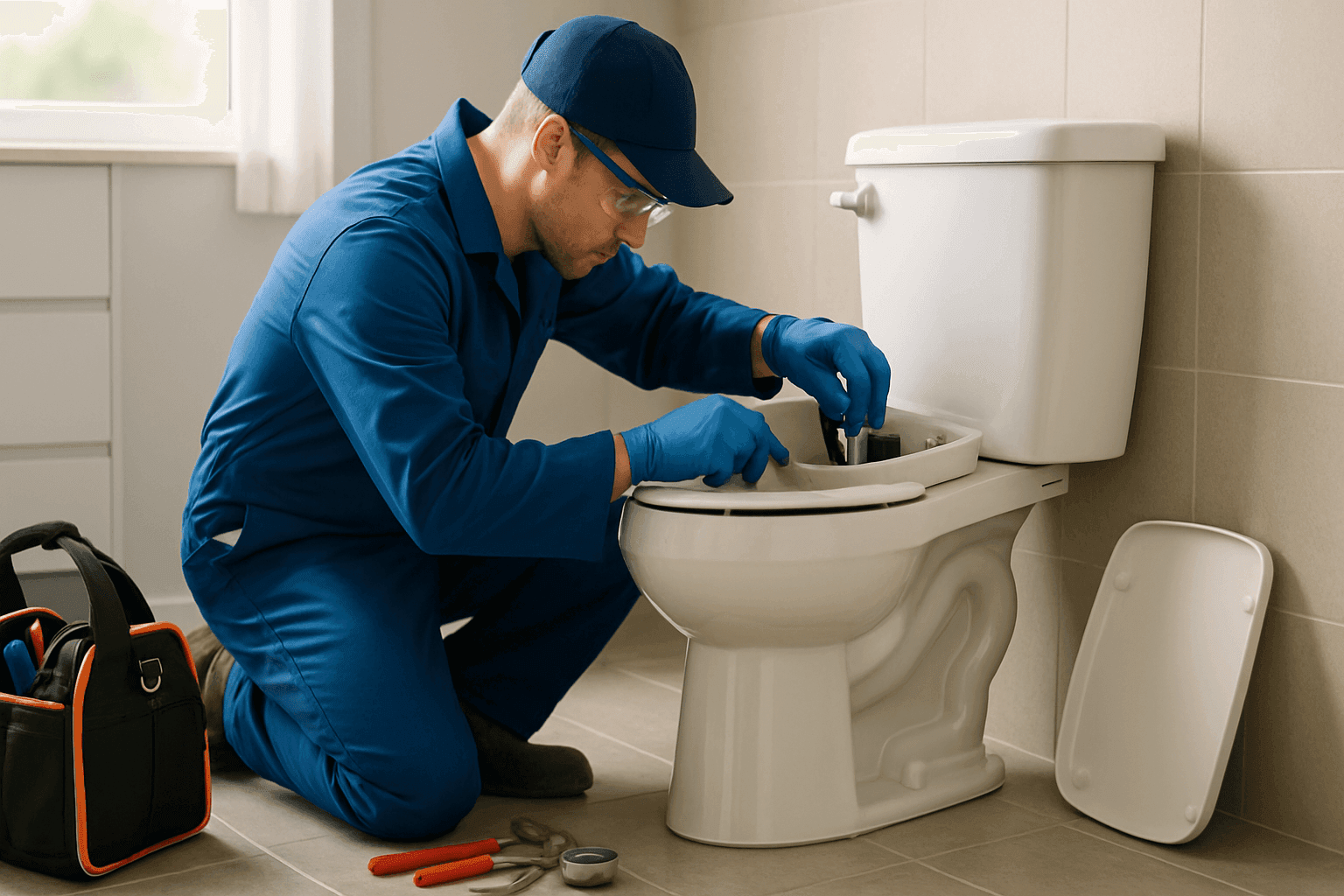
Toilet trouble never strikes at a good time. Whether you wake up to a slow leak or a sudden flood, you need answers fast—especially about repair costs. At Plateau Plumbing, we know the worry that comes with unexpected plumbing headaches. You want to fix the problem without draining your wallet.
Let’s break down what really goes into the cost of toilet repair—no smoke and mirrors, just straight talk. You’ll learn what to expect, where your money goes, and how to keep surprises to a minimum.
Common Toilet Issues & What They Cost to Fix 🚽
Every home faces toilet problems sooner or later. Here’s what most people run into—and what you might pay to fix them.
1. Constantly Running Toilet
A toilet that keeps running is like a leaky wallet. Often, a worn flapper or fill valve is the culprit.
- Parts cost: $10–$30 for standard replacement components.
- Labor: $60–$150 depending on access and complexity.
- Symptoms: Trickling sound, higher water bill, tank never fills.
2. Clogged Toilet
Clogs happen. Sometimes it’s paper, sometimes it’s a mystery. Regular plunging may not cut it.
- Parts: Usually none, unless a snake or auger is needed ($20–$50).
- Labor: $100–$250, especially for stubborn blockages.
- Warning signs: Water rising in the bowl, slow draining, gurgling sounds.
3. Leaking Toilet
Leaks can sneak up. A cracked base, failed wax ring, or old shut-off valve all spell trouble.
- Parts: Wax ring ($5–$15), new supply line ($10–$30), or tank bolts.
- Labor: $120–$350, depending on the source and repair needed.
- Red flags: Water around the base, musty smells, stains on the ceiling below.
4. Toilet Replacement
Sometimes repairs aren’t enough. If your toilet is old, cracked, or beyond saving, replacement is the answer.
- Parts: New toilet ($150–$500+), depending on style/efficiency.
- Labor: $150–$400 for removal and installation.
Note: If you’re dealing with multiple issues (e.g., old pipes, damaged flooring), costs can climb. We’ll cover that below.
Parts vs. Labor: Where Your Money Goes
Think of toilet repair like fixing a car. There’s the price of the part, and then there’s the skill to install it right.
- Parts: Usually affordable—flappers, gaskets, fill valves, and bolts don’t break the bank.
- Labor: This covers diagnosis, skilled repair, and making sure everything meets plumbing codes. Labor is a bigger piece of your bill, but it’s what keeps repairs safe and long-lasting.
Why labor matters: A licensed plumber protects your home from leaks, water damage, and even health hazards (like sewer gases). We follow local building codes and safety rules—so you’re not left with a ticking time bomb.
DIY Toilet Repair vs. Calling a Pro
It’s tempting to grab a wrench and search for a “quick fix” video. Here’s the tradeoff:
DIY Repairs
- Pros: Can save on labor if it’s straightforward (e.g., flapper replacement).
- Cons: Common risks include overtightened bolts (cracked porcelain), missed leaks, or incomplete fixes. Toilet repairs often snowball into bigger issues if you’re not careful.
When It’s Time for a Professional
- Complex leaks (especially near the floor or wall)
- Recurring clogs that don’t respond to plunging
- Toilet won’t stop running after basic fixes
- Visible cracks in the tank or bowl
- Water damage in flooring or ceiling below
Risks of DIY: A small mistake can lead to major water damage or even hazardous backflow. According to the International Association of Plumbing and Mechanical Officials (IAPMO), improper repairs can violate plumbing codes and put your home at risk.
What Can Increase Your Toilet Repair Price? 💡
Not all homes are created equal. Here’s what can nudge your bill higher:
- Older Plumbing: Homes built before the 1980s may have outdated pipes or valves that complicate even simple repairs.
- Hidden Damage: Water damage behind walls or under floors can mean extra work.
- Premium Parts: Upgrading to water-efficient or specialty toilets will cost more up front.
- Emergency Plumbing: Late-night, weekend, or holiday calls may have higher labor rates.
- Location: Tight spaces or multi-story homes can require extra time.
Tip: If your home has chronic water pressure issues or previous DIY repairs, let your plumber know. Surprises slow things down and add to your costs.
How to Save on Toilet Repairs (and Future Plumbing Bills)
A little prevention goes a long way. Here’s how to keep costs low:
- Regular Maintenance: Annual plumbing checkups catch small issues before they become big ones.
- Upgrade to Water-Efficient Fixtures: Modern toilets use less water per flush—saving you money on bills and repairs.
- Don’t Ignore Small Leaks: That steady drip adds up to wasted water and bigger repairs down the road.
- Know Your Shut-Off Valve: In an emergency, shutting off the water fast can keep damage (and repair bills) down.
- Avoid Harsh Chemicals: Chemical drain cleaners can eat away at pipes and seals.
Reference: The Environmental Protection Agency (EPA) recommends WaterSense-labeled toilets for maximum water (and cost) savings.
DIY vs. Professional: What’s Really at Stake?
A quick YouTube tutorial can make toilet repair look simple. But here’s the truth: plumbing is like a puzzle. Sometimes the wrong piece just won’t fit.
- DIY: Fine for simple fixes like changing a flapper or tightening a bolt.
- Professional: Best for anything involving leaks, water on the floor, or repeated problems.
Remember: A botched DIY job can void insurance or create health and safety hazards. Licensed plumbers, like those at Plateau Plumbing, are background-checked and trained to spot code violations and hidden issues you might miss.
What Happens When a Pro Arrives?
When you call Plateau Plumbing, here’s what to expect:
- Inspection: We check for leaks, damaged parts, and signs of hidden damage.
- Transparent Diagnosis: You get a clear explanation—no technical mumbo jumbo.
- Upfront Pricing: We show you the parts and labor, with no surprise fees.
- Professional Repair: Our team uses the right tools and follows industry standards (see Uniform Plumbing Code for reference).
- Testing: We flush, check for leaks, and make sure everything runs smoothly before we leave.
What Makes a Toilet Repair an Emergency? 🚨
Not all toilet trouble is an emergency, but some situations need immediate help:
- Overflowing toilets with rising water that won’t stop
- Major leaks that threaten to flood your floor (or rooms below)
- Sewer smells or backup (can be a health hazard)
- No working toilets in the house
If you have water pouring out onto the floor, don’t wait. Shut off the supply valve behind the toilet and call emergency plumbing services right away.
Frequently Asked Questions
How long does a typical toilet repair take?
Most repairs are finished within 30–90 minutes. Complex issues or hidden leaks may take longer, especially if parts are hard to access.
Will insurance cover toilet repairs?
Insurance usually won’t cover wear-and-tear or minor repairs, but it may help with sudden water damage. Check your policy or ask your agent for details.
How can I prevent toilet clogs?
Only flush toilet paper and waste. Avoid wipes (even “flushable” ones), feminine products, or paper towels. Regular drain cleaning can also help.
Is it safe to use chemical drain cleaners?
We don’t recommend it. Chemicals can damage pipes and seals, and create toxic fumes. Mechanical methods or professional drain cleaning are safer.
Local & Seasonal Considerations
Toilet problems don’t follow a calendar, but certain times of year see more calls for emergency plumbing:
- Winter: Cold snaps can freeze pipes, leading to leaks and bursts.
- Spring: Thawing can reveal hidden damage or cause sump pump overflows.
- Holidays: More guests mean more flushes—and more chances for clogs.
If you live in an older home or in a region with hard water, schedule regular maintenance. Water minerals can build up in pipes and tanks, leading to performance issues.
Final Thoughts: Clear Pricing, No Surprises
Plumbing repairs can feel overwhelming, but the cost doesn’t have to be a mystery. At Plateau Plumbing, we pride ourselves on transparent pricing and no surprise fees. Our team is licensed, background-checked, and ready to handle any issue—day or night.
If you’re facing toilet trouble, don’t wait for it to get worse. We’re here to help you understand your options and get your bathroom back in shape—fast.
Call Plateau Plumbing now — or reach us anytime at 888-992-7122 .