Boiler Repair and Maintenance: What Homeowners Need to Know
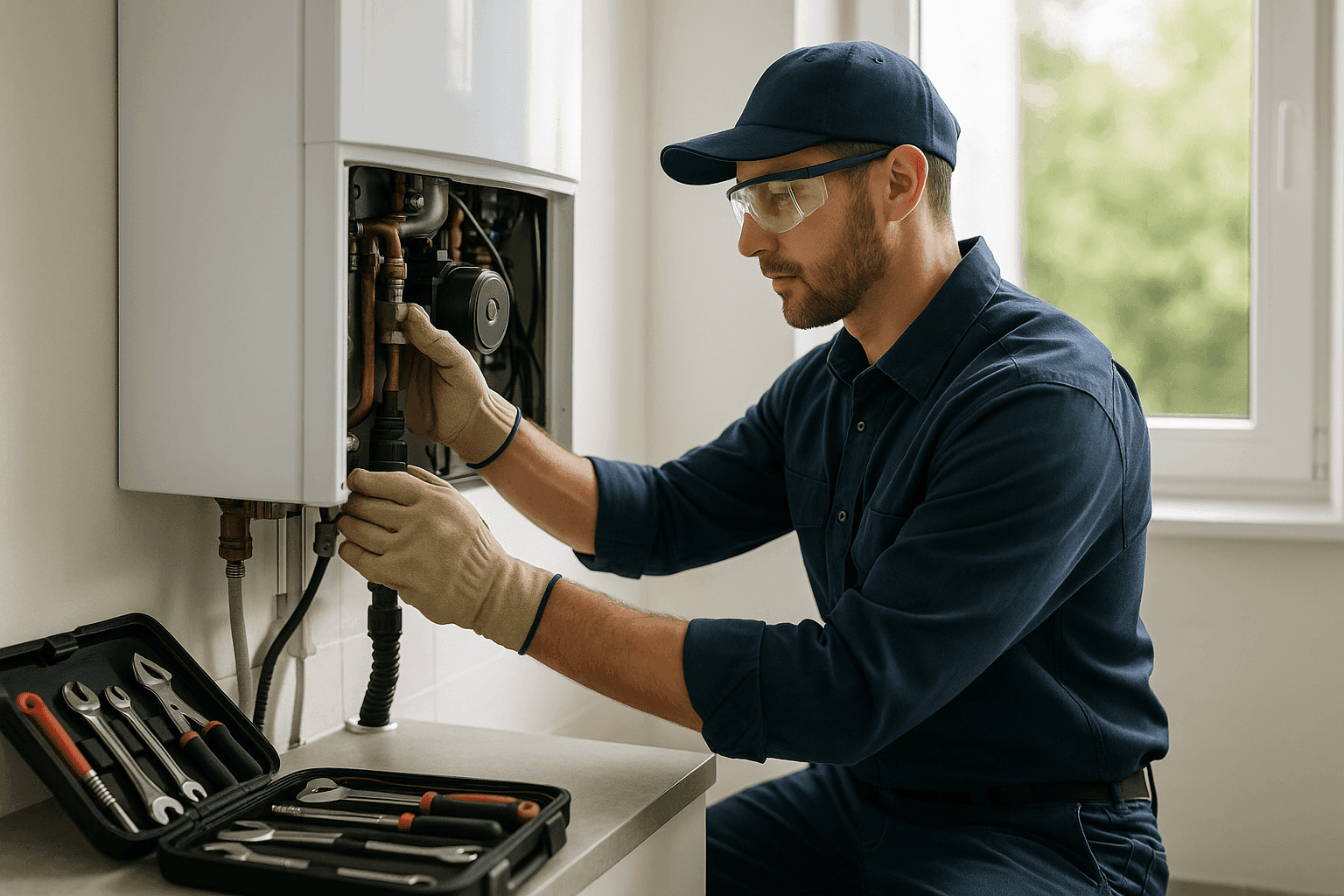
Is your boiler making strange noises? Maybe you woke to a cold house, or spotted a small puddle beneath the unit. It’s stressful when the system you rely on for warmth suddenly acts up. At Plateau Plumbing, we know how urgent boiler problems feel—especially when temperatures drop or young kids are in the house.
Every homeowner faces plumbing surprises eventually. But when it comes to boilers, fast action and safe steps matter. Here’s what you need to know to keep your home cozy and your family safe.
Boiler Types and How They Work 🛠️
Not all boilers are created equal. Think of them like the heart of your home’s heating system—working quietly in the background, until something goes wrong.
- Combi Boilers: These heat water on demand, so you get hot water and heating from one unit. No storage tank needed.
- System Boilers: Store hot water in a cylinder, supplying multiple taps at once—a good fit for busy households.
- Conventional Boilers: Use both a cylinder and a tank. Reliable for larger homes or places with low water pressure.
All types use water—heated and circulated through pipes—to keep your radiators and taps warm. If something interrupts this flow (like air pockets, leaks, or pressure drops), problems follow fast.
Warning Signs of Boiler Problems
Boilers rarely break down without warning. But the signals can be easy to overlook:
- No Heat or Hot Water: Obvious, but sometimes intermittent. Check other plumbing fixtures—kitchen plumbing near you, for example—to see if it’s a whole-home issue.
- Leaks or Damp Patches: Even a small drip matters. Water can corrode pipes, trigger mold, or damage floors.
- Odd Noises: Banging, whistling, or gurgling often point to trapped air, limescale, or failing parts. It shouldn’t sound like a popcorn machine.
- Pilot Light Keeps Going Out: For gas boilers, this can signal a safety issue. Don’t ignore it.
- Pressure Fluctuations: Most residential boilers need to stay between 1–2 bars of pressure. Too high or low, and performance drops.
- Unusual Smells: A metallic or burning odor could signal overheating. A sulfur (rotten egg) smell means shut down and get out—possible gas leak.
If you notice any of these, act quickly. Some are urgent emergencies—especially leaks or gas smells.
Quick Safety Checklist Before You Check
Before you poke around, a few safety basics. Boilers mix hot water, electricity, and sometimes gas—it’s not a DIY playground.
- Turn off the boiler at the main switch.
- Wait for surfaces to cool before touching.
- Never remove any panel marked “Do Not Remove” or “Service Only.”
- If you smell gas, leave immediately and call emergency services.
- Don’t use electrical appliances near leaks or damp patches.
- Review your boiler’s manual for model-specific advice.
Local codes—like those from the International Association of Plumbing and Mechanical Officials (IAPMO)—require licensed pros for gas and major water work. So know your limits.
DIY vs. When to Call a Pro
It’s tempting to fix things yourself, especially late at night. But with boilers, some jobs are safe, others aren’t:
Safe DIY:
- Bleeding radiators to release trapped air.
- Checking and topping up pressure (if your manual allows).
- Resetting the system after a power cut.
Call Plateau Plumbing Immediately If:
- There’s water pooling or spraying.
- The boiler is making loud, unfamiliar noises.
- The pilot light won’t stay lit, or you smell gas.
- Pressure drops suddenly and repeatedly.
- You see error codes you can’t clear.
- You’re unsure what’s safe.
When in doubt, call our emergency plumbing team. Safety beats guesswork every time.
What Pros Do On Arrival
Here’s what to expect when a certified, insured Plateau Plumbing technician arrives:
- Thorough Inspection: We’ll check for leaks, corrosion, faulty valves, and electrical issues.
- Pressure & Flow Testing: Ensuring water and gas pressures meet local safety standards.
- Component Check: Heat exchangers, pumps, sensors, and thermostats all get a look.
- System Flush (if needed): Removes sludge or limescale buildup.
- Safety Tests: Gas leak checks, carbon monoxide monitoring, and compliance with state codes.
We carry parts for most common brands, but if a part needs ordering, we’ll explain your options clearly—no surprises.
Prevention & Maintenance for Homeowners
A little maintenance can stretch your boiler’s lifespan and help avoid emergencies:
- Bleed Radiators Each Fall: Keeps warm water flowing freely.
- Check Boiler Pressure Monthly: Aim for the “green zone” on your pressure gauge.
- Listen for Noises: Catch problems early.
- Keep Vents and Flues Clear: Blocked vents can cause dangerous fume buildup.
- Schedule Annual Service: A professional inspection meets local safety codes and insurance requirements.
- Insulate Pipes: Especially in unheated spaces—prevents winter freeze-ups.
For details, the Plumbing-Heating-Cooling Contractors Association (PHCC) offers homeowner tips and safety basics.
Costs & Time Factors
Boiler repairs vary. Here’s what typically affects the cost and timing:
- Type of Problem: Minor fixes (like pressure adjustment) are quick. Leaks or failed pumps take longer.
- Parts Availability: Some brands are faster to fix than others.
- Age of Boiler: Older units may need extra work or replacement parts.
- Emergency Plumbing Calls: After-hours or urgent visits may add to the bill.
Most simple repairs take 1–3 hours. Bigger jobs—like replacing a pump or heat exchanger—might take a day. We’ll always keep you informed.
When It’s an Emergency
Some problems just can’t wait:
- Gas Smell: Turn off the gas at the main, evacuate, and call emergency services.
- Major Leak or Flood: Shut off water at the main valve, then call us fast.
- Complete Loss of Heat in Freezing Weather: Pipes can freeze and burst—this is urgent.
Plateau Plumbing offers true 24/7 emergency plumbing for situations just like these. You don’t have to wait for morning.
Frequently Asked Questions
How often should my boiler be serviced?
At least once a year. This keeps it efficient, safe, and often required by home insurance.
Is it safe to reset my boiler after an error?
Usually, yes—once. If the error repeats or you see water/gas leaks, call a professional.
Can I fix low pressure myself?
Check your manual. Many modern boilers allow safe topping up. If pressure drops again, there may be a bigger problem.
What’s the average lifespan of a home boiler?
Most last 10–15 years with regular care. Older units may need more frequent repairs.
Local or Seasonal Considerations
Cold snaps in our region can test even the best-maintained boilers. Before winter, schedule maintenance and double-check insulation in unheated areas (like garages or crawl spaces). If you’re adding new fixtures—like a kitchen or bathroom remodel—make sure your boiler can handle the extra load. Plateau Plumbing handles everything from leak detection to repiping and water heater installation, so you can rest easy.
Your family’s comfort and safety come first. Plateau Plumbing is fully certified, insured, and ready for emergencies—no matter the hour.
Call Plateau Plumbing now — or reach us anytime at 888-992-7122 .