Complete Guide to Preventing Plumbing Emergencies Year-Round
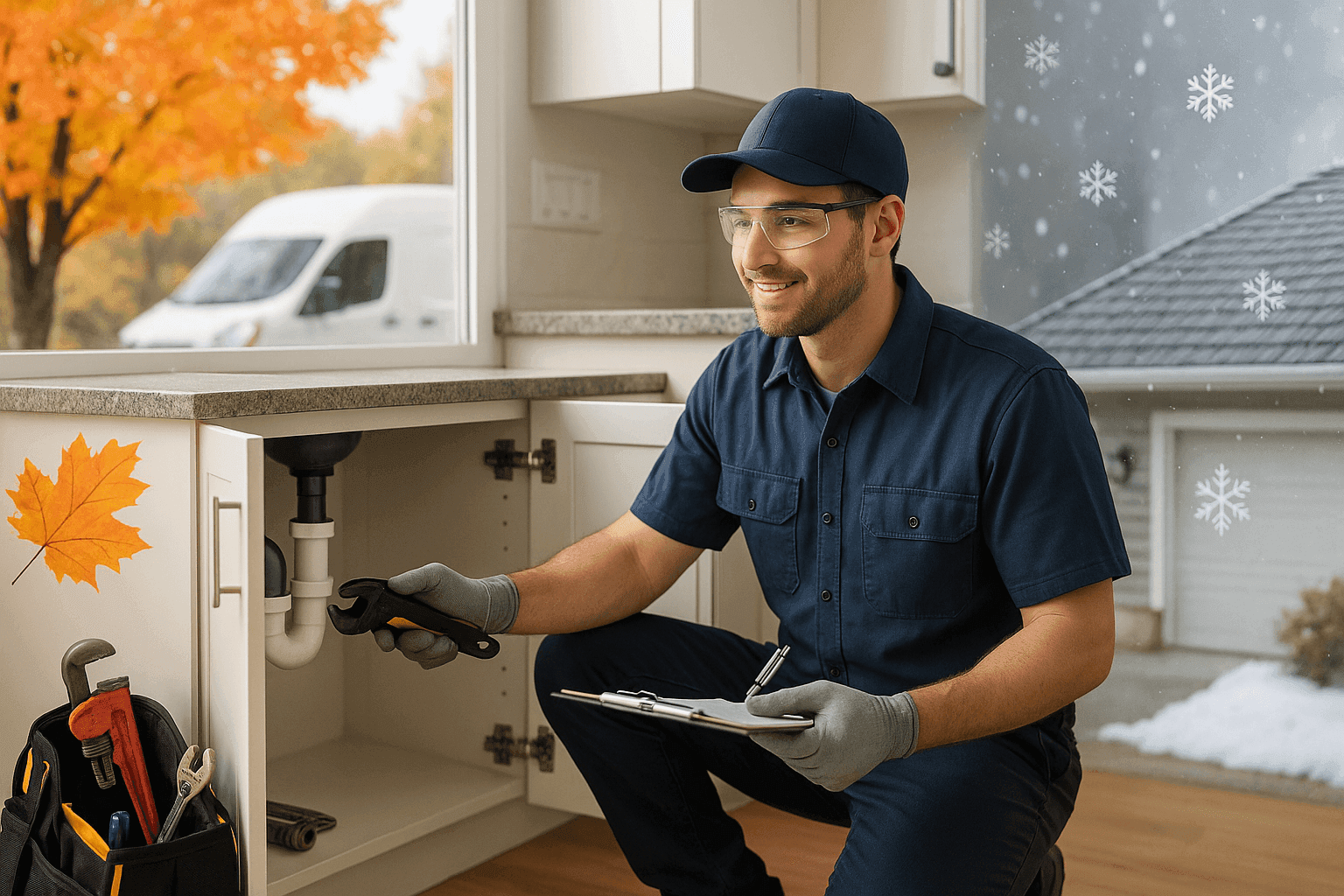
Plumbing emergencies never knock. They barge in—flooding your kitchen, freezing your pipes, or leaving you ankle-deep in water when you least expect it. Whether you’re a homeowner or running a small business, the aftermath can be costly, stressful, and disruptive.
But here’s the good news: most plumbing disasters can be prevented with a little know-how and a solid maintenance routine. At Plateau Plumbing, we’ve seen it all—and we’re here to share what really works.
Why Plumbing Emergencies Happen
Think of your plumbing like the veins and arteries of your house or business. If something clogs, bursts, or leaks, the whole system suffers. Here are the usual suspects:
- Frozen pipes: Water expands when it freezes, turning pipes into ticking time bombs.
- Hidden leaks: Small drips can quietly waste gallons of water and cause mold or rot.
- Clogged drains and toilets: Grease, hair, wipes, and foreign objects build up fast.
- Aging or faulty equipment: Old water heaters, corroded pipes, or worn-out sump pumps often fail without warning.
- High water pressure: Too much pressure strains pipes and fixtures, leading to bursts.
- Backflow issues: Contaminated water can flow back into your clean supply if devices fail.
The U.S. Environmental Protection Agency (EPA) and the International Association of Plumbing and Mechanical Officials (IAPMO) both recommend regular inspections and maintenance to avoid these headaches.
Quick Safety Checklist 🛠️
Want to dodge most plumbing emergencies? Start here:
- Know your main water shutoff valve location. Practice turning it off.
- Insulate exposed pipes before freezing weather hits.
- Clear gutters and downspouts to direct water away from your foundation.
- Never flush wipes, grease, or hygiene products down toilets or drains.
- Test your sump pump before rainy seasons.
- Check for signs of leaks: stains, musty smells, or unexplained water bills.
- Schedule annual backflow testing and gas safety checks.
- Maintain water heaters and boilers per manufacturer guidelines.
- Install drain strainers in sinks and tubs.
- Monitor water pressure with a gauge—aim for 40–60 psi.
A few minutes each month can save you hours of chaos later.
DIY or Call a Pro? Knowing Your Limits
Some issues are like a squeaky door—easy to fix. Others are more like a cracked foundation—call in the cavalry. Here’s how to tell:
Good for DIY
- Unclogging minor sink or shower drains (with a plunger or drain snake)
- Replacing faucet washers or showerheads
- Insulating pipes with foam sleeves
- Checking and cleaning faucet aerators
- Testing your sump pump by pouring in water
Call Plateau Plumbing When
- You spot water stains on ceilings or walls
- Your water heater makes banging or popping noises
- Toilets overflow repeatedly
- Water pressure drops suddenly
- You smell gas near appliances or lines
- There’s no hot water
- You hear gurgling from drains
- You find mold or persistent dampness
- You suspect a slab leak (warm spots on floors, unexplained puddles)
If you’re ever unsure, err on the side of caution. Plumbing is one place where a small mistake can snowball into a big bill.
What Pros Do On Arrival
When you call Plateau Plumbing for emergency plumbing help, here’s what to expect:
- Assessment: We’ll quickly locate the source of the problem—using leak detectors, thermal cameras, or pipe inspection cameras if needed.
- Containment: First, we stop the flow. That might mean shutting off water, capping pipes, or isolating affected fixtures.
- Repairs: We fix the immediate issue—whether that’s a burst pipe, leaking joint, or faulty valve.
- Inspection: We’ll check for related problems, like water damage, mold risk, or compromised fixtures.
- Advice: You’ll get clear recommendations for further repairs, upgrades, or preventative steps.
Licensed plumbers follow plumbing codes and safety standards—so you get peace of mind, not just a quick patch.
Prevention & Maintenance: Your Year-Round Plan
Like changing the oil in your car, regular plumbing upkeep keeps everything running smoothly. Here’s how to stay ahead of trouble, season by season.
Spring
- Inspect exposed pipes for cracks or leaks after winter.
- Test your sump pump before heavy rains.
- Check outdoor faucets and hose bibs for leaks.
- Clean gutters and downspouts.
- Schedule a professional drain cleaning.
Summer
- Look for slow drains—tree roots can invade sewer lines.
- Check for musty smells in basements or crawl spaces.
- Inspect washing machine hoses for bulges or leaks.
- Review water heater temperature settings (120°F is safe and efficient).
Fall
- Disconnect outdoor hoses and drain exterior faucets.
- Insulate pipes in unheated areas.
- Schedule backflow testing and gas safety checks.
- Flush your water heater to remove sediment.
- Check for loose or leaky toilets.
Winter
- Let faucets drip during deep freezes to prevent pipe bursts.
- Open cabinet doors under sinks to let warm air circulate.
- Seal gaps in walls or foundations near pipes.
- Check boiler and heating system for leaks or pressure drops.
Routine maintenance is your best insurance against plumbing emergencies. The National Association of Home Builders (NAHB) recommends annual inspections for older plumbing systems.
Spotting Early Warning Signs
Your plumbing system whispers before it screams. Here’s what to watch—and listen—for:
- Slow drains: Could mean a clog or root intrusion.
- Bubbling or gurgling sounds: Air in the lines, often from a blockage.
- Unusual odors: Sewer gas, mold, or mildew.
- Rising water bills: Hidden leaks are often the culprit.
- Discolored water: Rust, sediment, or pipe corrosion.
- Low water pressure: Blockages or leaks in the system.
Don’t ignore these hints. Addressing them early can prevent a full-blown emergency.
Costs & Time Factors
Plumbing emergencies can feel like a runaway train—fast and expensive. Here’s what to expect:
- Emergency service calls: Often cost more than scheduled maintenance due to urgency and after-hours work.
- Small repairs: Fixing a leaky faucet or unclogging a drain is usually quick—often under an hour.
- Major repairs: Burst pipes, water heater failures, or sewer line issues can take several hours to a full day, depending on access and complexity.
- Prevention: Regular inspections and maintenance cost far less than emergency repairs or water damage restoration.
Investing in prevention pays off—saving you money, stress, and downtime.
When It’s an Emergency 🚨
Some plumbing issues can wait a day. Others need attention now. Here’s when to pick up the phone immediately:
- Burst pipes or flooding
- No water or no hot water
- Sewage backup
- Gas leaks or rotten egg smell
- Overflowing toilets or drains
- Water where it shouldn’t be (ceilings, walls, floors)
If water or gas is flowing where it shouldn’t, turn off your main supply and call Plateau Plumbing right away.
FAQ: Common Plumbing Emergency Questions
How often should I have my plumbing inspected?
Most experts, including the International Code Council (ICC), recommend a professional inspection at least once a year—especially for older homes or businesses.
What’s the best way to prevent frozen pipes?
Insulate pipes in unheated areas, keep heat on during cold snaps, and let faucets drip slightly when temperatures plummet.
Can I use chemical drain cleaners for clogs?
It’s better to avoid them. Chemical cleaners can damage pipes and harm the environment. Mechanical methods or professional drain cleaning are safer.
What should I do if I smell gas?
Evacuate immediately, avoid using electrical switches or flames, and call your gas company and a licensed plumber.
Special Considerations for Homeowners & Small Businesses
- Homeowners: Check your homeowner’s insurance for water damage coverage. Document any repairs and keep receipts.
- Small business owners: Regular plumbing maintenance protects not just your property, but your reputation and daily operations.
- Multi-unit buildings: Schedule coordinated inspections and maintenance to prevent issues from spreading between units.
- Older buildings: Pipes, fixtures, and water heaters may need more frequent checks due to age and wear.
Maintaining your plumbing isn’t just about avoiding emergencies—it’s about protecting your investment, your comfort, and your peace of mind.
Call Plateau Plumbing now — or reach us anytime at 888-992-7122 .