How to Detect and Fix Hidden Plumbing Leaks Before They Cause Damage
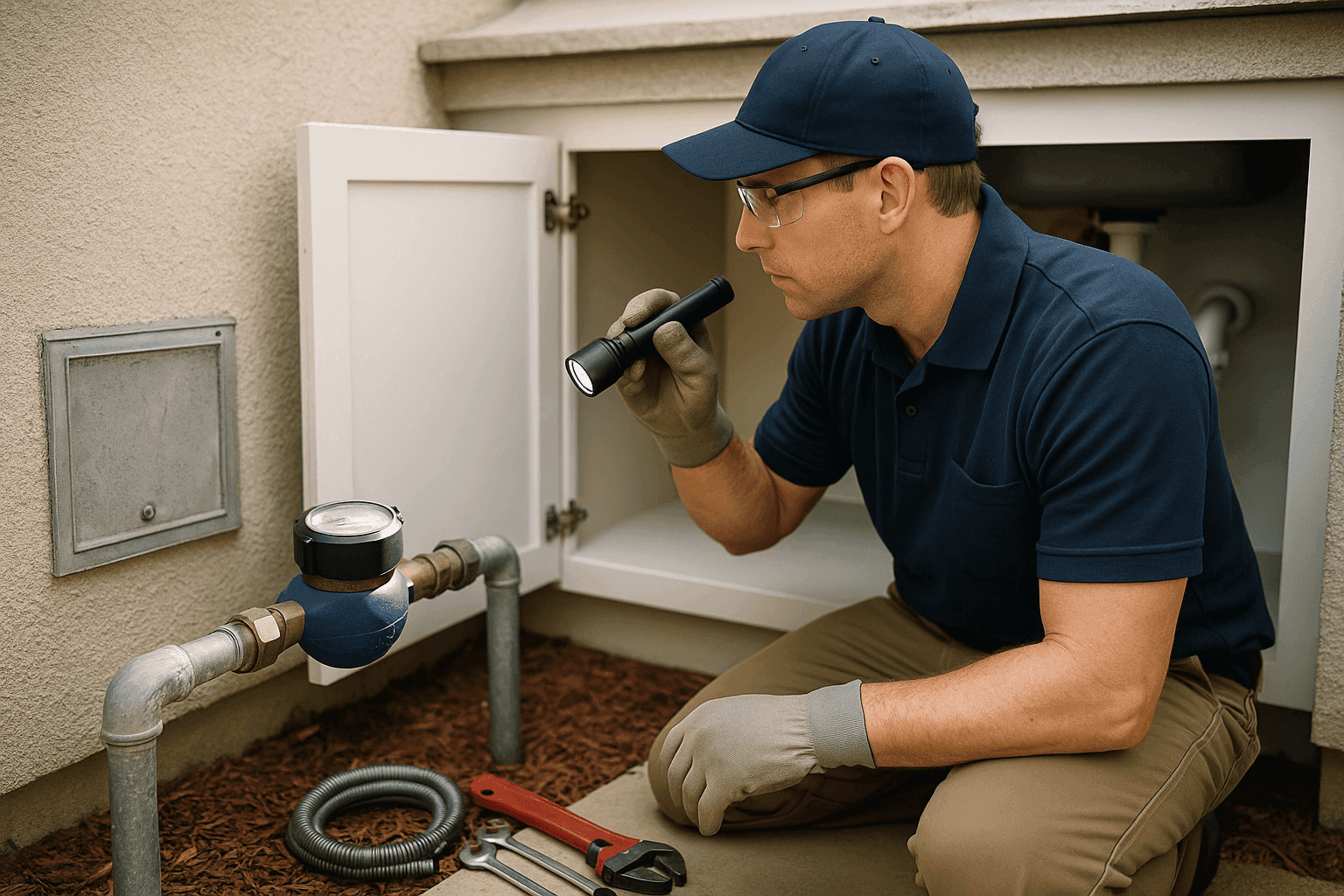
Water has a mind of its own. When it sneaks where it doesn’t belong, it can quietly erode your peace of mind—and your property. Most leaks don’t announce themselves with a dramatic flood. Instead, they tiptoe in, leaving subtle clues that are easy to miss until the damage is done.
At Plateau Plumbing, we know how quickly a small drip can become a big headache. Whether you own your home or run a small business, knowing how to catch hidden leaks early can save you thousands and keep your space safe, dry, and comfortable.
Why Hidden Leaks Are a Serious Problem
Imagine a river carving through rock over centuries. Now shrink that down to a pipe behind your wall. Even a tiny leak can, over time, weaken wood, rot drywall, ruin carpet, and invite mold to set up camp. The signs aren’t always obvious, but the risks are real.
Hidden leaks can cause:
- Unexplained spikes in your water bill
- Warped floors or bubbling paint
- Persistent musty odors
- Mold or mildew patches, even in dry weather
- Damp spots on ceilings, walls, or under sinks
Ignoring these signs is like turning up the radio to drown out a rattling engine. The problem doesn’t go away—it just gets more expensive.
Quick Safety Checklist Before You Start 🛑
Before poking around your plumbing, make sure you’re not putting yourself—or your property—at risk. Here’s a quick checklist:
- Shut off electrical power to areas with visible water or dampness.
- Wear rubber-soled shoes if you’re inspecting near water.
- Turn off the main water supply if you find a major leak.
- Keep kids and pets clear of the area.
- Have towels and a bucket handy for small drips.
- Know where your main shutoff valve is—and make sure it works.
If you smell gas or see sparks, leave the area and call emergency services immediately. Water and electricity are a dangerous mix.
How to Spot Hidden Leaks: DIY Tips
Not every leak requires a plumber right away. Sometimes, a little detective work can reveal the source. Here’s how to play plumbing sleuth:
1. Check Your Water Meter
- Turn off all water-using appliances and fixtures.
- Note the reading on your water meter.
- Wait two hours (don’t use any water).
- Check the meter again. If it’s moved, you likely have a leak.
2. Listen for Trouble
- In a quiet house, listen near sinks, toilets, and walls.
- Dripping, hissing, or gurgling sounds can point to trouble spots.
3. Inspect Visible Pipes
- Look under sinks, behind toilets, and in your basement or crawlspace.
- Check for corrosion, moisture, or mineral deposits.
4. Watch for Dampness and Stains
- Discoloration on ceilings or walls often means water is sneaking through.
- Warped or buckling floors are another giveaway.
5. Sniff for Musty Odors
- Mold and mildew love hidden leaks.
- If you notice persistent damp smells, investigate further.
6. Test Toilets
- Add a few drops of food coloring to your toilet tank.
- Wait 30 minutes (don’t flush).
- If color appears in the bowl, the flapper or valve may be leaking.
These steps can help you catch many leaks before they spiral out of control. But plumbing can be tricky—some leaks hide deep inside walls or under slabs.
DIY or Call a Pro? Knowing Your Limits
Tightening a loose fitting or replacing a washer is one thing. But when pipes vanish behind drywall or water keeps reappearing, it’s time for backup.
Call a professional plumber if:
- You can’t find the leak, but signs persist.
- Water is pooling or causing visible damage.
- Mold keeps returning after cleaning.
- Pipes are noisy, banging, or vibrating.
- Your water pressure drops suddenly.
Professional plumbers use specialized tools—like acoustic sensors, infrared cameras, and moisture meters—to pinpoint leaks without tearing up your property. According to the International Association of Certified Home Inspectors (InterNACHI), prompt professional intervention can prevent costly structural repairs and health problems from mold.
What Happens When a Plumber Arrives
When Plateau Plumbing arrives, we don’t just guess. Here’s what you can expect:
1. Detailed Inspection
- We’ll ask about your observations and inspect visible plumbing.
- We check appliances, fixtures, and exposed pipes.
2. Advanced Leak Detection
- Acoustic listening devices “hear” leaks behind walls or under floors.
- Thermal imaging cameras spot temperature changes that signal moisture.
- Pressure testing helps find slow leaks in water lines.
3. Clear Communication
- We explain our findings in plain language—no jargon.
- You’ll get options for repair, with pros and cons for each.
4. Professional Repairs
- We use code-approved materials and methods (see Uniform Plumbing Code guidelines).
- Our repairs are designed to last and prevent future issues.
5. Cleanup and Follow-Up
- We leave your space tidy.
- If needed, we’ll recommend further steps, like mold remediation or structural drying.
Prevention and Maintenance: Stopping Leaks Before They Start 🛠️
An ounce of prevention is worth a pound of drywall. Regular maintenance keeps your plumbing healthy and gives leaks less room to hide.
Preventative tips:
- Inspect under sinks and around toilets monthly for moisture.
- Replace old supply hoses (especially to washers and dishwashers) every 5 years.
- Check water pressure—high pressure stresses pipes. Aim for 40–60 psi.
- Insulate pipes in cold areas to prevent freezing and bursting.
- Schedule annual plumbing checkups with a licensed plumber.
- Install leak detectors—these small devices sound an alarm if water is detected.
The Environmental Protection Agency (EPA) recommends fixing leaks promptly to save water and prevent property damage. Even a slow drip adds up over time.
Costs and Time Factors: What to Expect
No one likes surprises—especially when it comes to plumbing bills. The cost and time needed to fix a leak depend on several factors:
- Location of the leak: Exposed leaks are quicker (and cheaper) to fix than those behind walls or under slabs.
- Severity: A minor drip costs less than a burst pipe.
- Materials: Older homes may need pipe upgrades.
- Repair method: Simple fixes may take an hour; complex jobs can require several visits.
On average, finding and repairing a basic leak can take 1–3 hours. More complex cases—like slab leaks or major pipe replacements—can stretch to a full day or more.
When It’s an Emergency 🚨
Some leaks can wait a day or two. Others demand immediate action. If you notice any of the following, it’s time to call for emergency plumbing help:
- Water is gushing or rapidly pooling.
- There’s a risk of electrical shock.
- Sewage is backing up.
- A pipe has burst.
- You smell gas near plumbing lines.
In these cases, shut off your main water supply and call Plateau Plumbing right away. Quick action can prevent major damage and keep your family or business safe.
FAQ: Common Questions About Hidden Leaks
How can I tell if I have a leak under my slab?
Look for unexplained warm spots on the floor, damp carpets, or a sudden drop in water pressure. If your water meter moves when no water is used, it’s a strong sign.
Are hidden leaks covered by insurance?
Many policies cover “sudden and accidental” leaks, but not slow, neglected ones. Check your policy and document any damage right away.
Can leaks cause mold even if I don’t see water?
Yes. Mold thrives in hidden, damp spaces. If you smell musty odors or notice allergy symptoms, a hidden leak could be the culprit.
How often should I check my plumbing for leaks?
A quick monthly check under sinks and around fixtures, plus an annual professional inspection, can catch most problems early.
Special Considerations for Leak Detection and Repair
Every property is unique. Older buildings may have outdated pipes that are more prone to leaks. Commercial spaces often have complex plumbing systems that need regular inspection. If you’ve recently remodeled or added new fixtures, double-check connections and supply lines.
Remember, plumbing codes and safety guidelines (like those from the International Code Council) exist for a reason—following them protects your property and everyone inside.
A hidden leak can turn a good day upside down. Don’t wait for a small drip to become a big disaster. If you spot any signs of trouble, or just want peace of mind, Plateau Plumbing is here to help—day or night.
Call Plateau Plumbing now — or reach us anytime at 888-992-7122 .