DIY or Pro? When to Call a Plumber for Kitchen Plumbing Problems
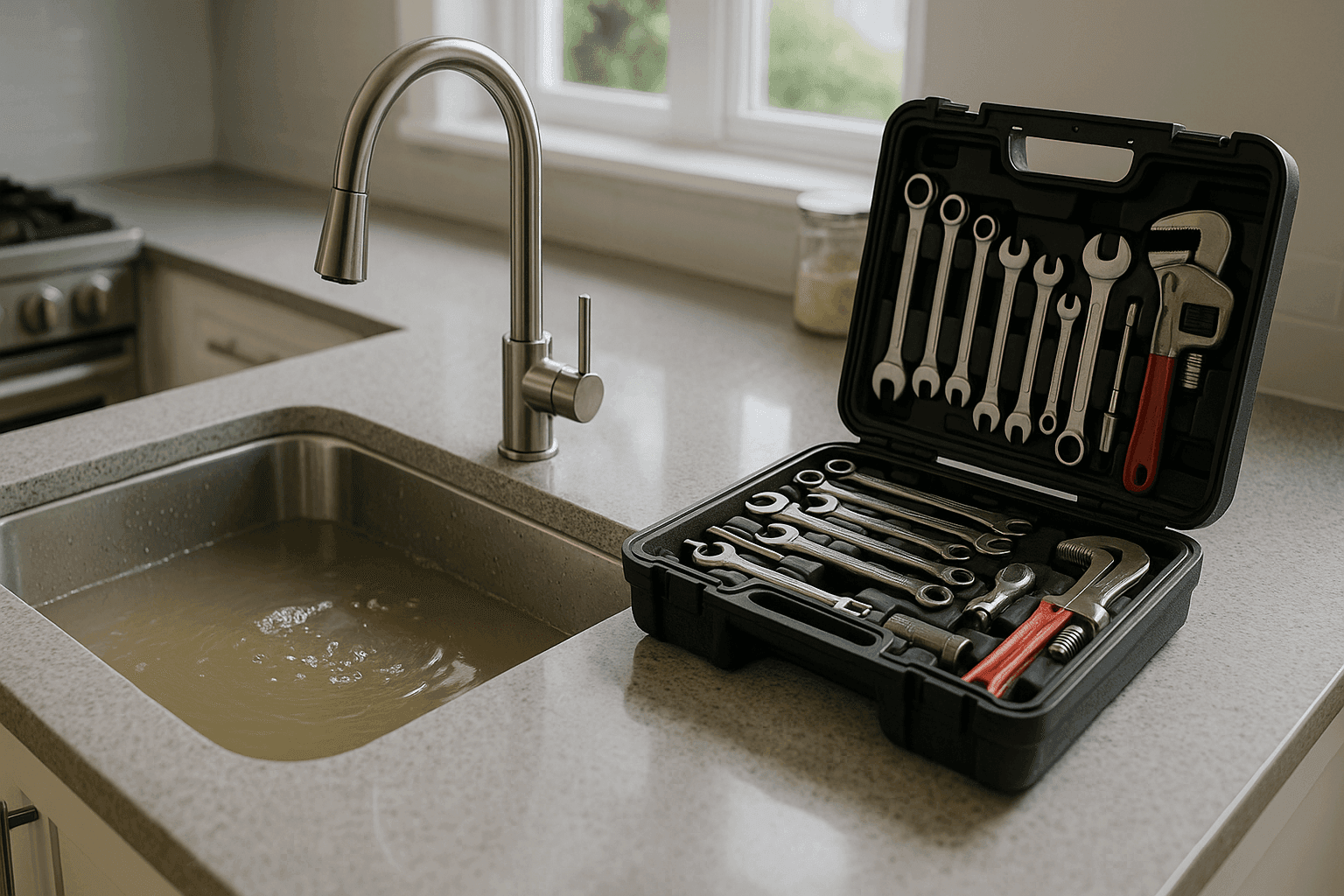
Is your kitchen sink refusing to drain? Hearing a suspicious drip behind your cabinets? Maybe your garbage disposal sounds like it's chewing rocks. When trouble bubbles up in the kitchen, it’s easy to feel overwhelmed. You’re not alone—kitchen plumbing problems are some of the most common headaches for homeowners.
At Plateau Plumbing, we know that not every drip means disaster. But some issues can spiral fast, turning a minor nuisance into a full-blown emergency. Let's break down when a little DIY is safe—and when calling a professional saves money, time, and stress.
Common Kitchen Plumbing Problems
Every kitchen faces its battles. Some are minor, and some need a trained hand. Here’s what pops up most often:
- Clogged sinks: Food scraps, grease, and soap scum turn drains into slow-moving rivers.
- Leaky faucets or pipes: Worn washers or loose fittings cause persistent drips.
- Garbage disposal jams: Silverware, bones, or fibrous veggies can stop the blades cold.
- Low water pressure: Mineral buildup or hidden leaks restrict flow.
- Dishwasher backups: Blocked drain lines lead to standing water after a cycle.
- Unpleasant odors: Rotting food or mold in pipes can stink up the whole kitchen.
A problem might seem small. But even a little water where it shouldn’t be can cause damage quickly.
Quick Safety Checklist 🛑
Before you pull out the wrench, check these basics to stay safe:
- Turn off the water. Know where your kitchen shutoff valves are.
- Unplug electrical appliances near water—especially garbage disposals and dishwashers.
- Wear gloves to protect your hands from sharp objects or hot water.
- Never use chemical drain cleaners if you plan to plunge or disassemble pipes—they can splash or react dangerously.
- If you smell gas, leave the area immediately and call for emergency help. Never try to fix gas lines on your own.
According to the International Association of Plumbing and Mechanical Officials (IAPMO), safety always comes first—even for experienced DIYers.
DIY Fixes: When You Can Handle It
Sometimes, you can be the hero in your own kitchen. Here are a few fixes most homeowners can tackle:
Plunging a Sink
- Use a cup plunger (not a toilet plunger).
- Fill the sink with enough water to cover the plunger’s cup.
- Plunge with short, sharp motions for 15–30 seconds.
- If water drains, you’re golden. If not, there’s more work ahead.
Cleaning the P-Trap
- Place a bucket under the sink trap.
- Unscrew the slip nuts by hand or with pliers.
- Remove the trap and clear out gunk.
- Rinse and reassemble, making sure seals are tight.
Garbage Disposal Reset
- Press the red reset button on the bottom of the unit.
- Use a wooden spoon handle (never your hand) to gently rotate the blades.
- Restore power and test.
Minor Faucet Drips
- Turn off the water supply.
- Remove the handle and replace the washer or O-ring.
- Reassemble and check for leaks.
If you’re comfortable and careful, these fixes can solve many everyday kitchen woes. But know your limits.
When to Call a Professional Plumber
Some plumbing problems are like iceberg tips: what you see is just a fraction of the risk beneath the surface.
Call Plateau Plumbing if you’re facing:
- Persistent leaks that return after tightening or replacing parts.
- Major clogs that won’t budge, especially if water backs up into other drains.
- Water pooling under cabinets or behind appliances.
- Low water pressure throughout the kitchen (could signal a supply line issue).
- Foul odors that linger, even after cleaning.
- Strange noises in pipes or disposal, especially after repairs.
- Any issue involving gas lines—for stoves, ovens, or water heaters. These require licensed expertise.
- Broken or damaged pipes—especially if you see water stains on walls or ceilings.
Remember: What seems like a small leak can be a sign of pipe corrosion, faulty installation, or aging infrastructure. The risk isn’t just water damage—it’s mold, wasted utilities, and even fire hazards when electricity is nearby.
What Pros Do On Arrival
When a professional plumber arrives, they bring more than a toolbox—they bring experience and the right equipment:
- Thorough inspection—using cameras to see inside pipes, moisture meters for hidden leaks, and pressure gauges.
- Code-compliant repairs—fixed right the first time, following local building codes and safety standards.
- Advanced tools—from hydro-jetters for tough clogs to pipe locators for buried lines.
- Satisfaction check—making sure everything works smoothly before leaving.
We’re licensed and insured, so your home—and your peace of mind—are protected.
Prevention & Maintenance 🧰
Avoiding plumbing headaches is always easier than fixing them after the fact. Try these habits:
- Don’t pour grease or oil down the sink. Let it solidify, then toss it in the trash.
- Run hot water after using the disposal to clear debris.
- Use sink strainers to catch food scraps and prevent clogs.
- Flush drains monthly with a mixture of baking soda and vinegar, followed by hot water.
- Inspect under-sink pipes for early signs of leaks or corrosion every few months.
According to the Uniform Plumbing Code (UPC), regular inspections and proper fixture use can extend the life of your plumbing.
Costs & Time Factors
Here’s the truth: DIY projects can be cheaper upfront. But they take time, and the risk of mistakes is real.
- DIY fixes (like plunging or cleaning traps) usually cost little—just your time and a few tools.
- Professional repairs may seem pricier, but you’re paying for expertise, safer results, and long-term savings. A botched DIY can lead to bigger bills if something goes wrong.
- Emergency plumbing services may cost more after hours or on weekends, but fast response can limit water damage and save thousands in repairs.
Think of it like changing your car’s oil vs. rebuilding the transmission. Some things are best left to the pros.
When It’s an Emergency
Certain situations call for immediate help. Don’t wait if:
- Water is flooding your kitchen.
- You can’t stop a leak at the shutoff valve.
- You smell gas or notice hissing near a gas appliance.
- You lose all water pressure suddenly (may signal a main line break).
In these cases, every minute counts. Emergency plumbing services are built for these moments.
FAQ
Q: What’s the safest DIY solution for a clogged kitchen sink?
A: Start with a cup plunger. If that fails, remove and clean the P-trap. Avoid chemical drain cleaners—they can damage pipes and are dangerous to handle.
Q: How do I know if my leak is serious?
A: If a leak persists after you’ve tried tightening or replacing a washer, or if you see water stains or mold in cabinets, call a plumber. Slow leaks can cause major damage over time.
Q: Is it safe to fix my garbage disposal myself?
A: Minor jams can be fixed by using the reset button and a wooden spoon handle to turn the blades. Never put your hand inside, and always unplug the unit first. For persistent issues, call a pro.
Q: How often should I have my kitchen plumbing inspected?
A: At least once a year is a good rule—especially if your home is older or if you’ve had previous problems.
Local/Seasonal Considerations
- Cold winters? Pipes under kitchen sinks can freeze and burst. Insulate exposed pipes and leave cabinet doors open during deep freezes to let warm air circulate.
- Hard water areas? Mineral buildup is tougher on faucets and appliances. Consider a water filtration system to protect your pipes.
- Heavy rain or flooding? Sump pumps and sewer lines can back up, especially in older neighborhoods. Preventative maintenance before storm season can make all the difference.
Every home is unique. If you’re unsure, it’s always smart to ask a pro.
Kitchen plumbing problems can go from a drip to a disaster in no time. Know your limits, use safe DIY fixes for the little stuff, and never hesitate to call in the professionals when things get messy. For fast, friendly, and reliable help—day or night—Plateau Plumbing is just a call away.
Call Plateau Plumbing now — or reach us anytime at 888-992-7122 .