Drain Cleaning 101: Safe and Effective Methods for Every Home
Most people don’t think about their drains until water starts pooling at their feet or the kitchen sink starts to smell like last week’s leftovers. It’s a problem that creeps up quietly—and when it strikes, it can turn a normal evening into a scramble for emergency plumbing help.
At Plateau Plumbing, we’ve seen it all. Hairballs the size of small animals. Grease that could pave a driveway. Tree roots weaving through pipes like they own the place. We know what works, what doesn’t, and how to keep your pipes running clear—without causing damage or risking your family’s safety.
Why Drains Clog: What’s Really Going On? 🕳️
Clogs aren’t just an inconvenience. They’re a symptom. Think of your home’s drains as a network of veins. When something blocks those veins, everything backs up—sometimes quickly, sometimes over months.
Common culprits:
- Hair: Bathroom sinks and showers, especially in homes with long-haired residents, can collect enough hair to form a miniature mop. Over time, it meshes with soap scum and slows water flow to a trickle.
- Grease and Oil: Hot grease slides down the kitchen drain, but it cools and hardens in the pipes. Layer after layer, it narrows the passage like cholesterol in arteries.
- "Flushable" Wipes and Paper Towels: Despite the label, these don’t dissolve like toilet paper. Instead, they tangle up and snag other debris, leading to stubborn blockages.
- Tree Roots: In older homes, tiny cracks in outdoor sewer lines can attract thirsty roots. These roots can invade, growing thick and strong until they choke off the flow entirely.
- Foreign Objects: From dropped toothpaste caps to toys, anything that doesn’t belong in your drain can cause chaos.
Ignoring these warning signs? That’s like ignoring a check engine light. The longer you wait, the worse it gets.
Quick Safety Checklist Before You Start
Before diving into a DIY fix, pause. A little preparation can save a lot of headaches (and prevent injury):
- Wear gloves. Drains hide sharp edges and nasty bacteria.
- Turn off water flow to the affected area if possible.
- Clear the area. Remove bath mats, cleaning products, and anything that might get in your way.
- Never mix cleaning chemicals. Some combinations release toxic fumes.
- Check for gas or sewer smells. If you notice either, stop—this could mean a broken line or other serious issue.
- Know your pipes. Older pipes (especially galvanized steel) can be fragile—go gently.
Following these steps keeps you safe, and your home protected.
DIY Drain Cleaning: Safe Methods You Can Try
Not every clog needs a professional. Some are just stubborn enough to need a little nudge. Here are safe, pipe-friendly ways to tackle minor blockages:
1. The Plunger—Your First Line of Defense
A plunger isn’t just for toilets. Use it on sinks, tubs, and showers, too.
- Fill the basin with enough water to cover the plunger’s cup.
- Create a tight seal and plunge forcefully up and down.
- Check progress after a few tries—sometimes you’ll hear the satisfying whoosh as the clog breaks free.
2. Baking Soda and Vinegar
Think of this as a gentle, bubbly cleanse—like seltzer for your pipes.
- Pour 1/2 cup baking soda down the drain.
- Follow with 1/2 cup white vinegar.
- Wait 10–15 minutes as the fizz works its magic.
- Flush with boiling (not just hot) water.
This works best for slow drains, not full blockages. It’s safe for most pipes and environmentally friendly.
3. Boiling Water
Simple, but surprisingly effective.
- Boil a full kettle of water.
- Slowly pour it directly into the drain in two or three stages, letting it work for several seconds between pours.
Hot water melts away grease and soap scum. Avoid this method if you have PVC pipes, as extremely hot water can soften the plastic.
4. Manual Removal
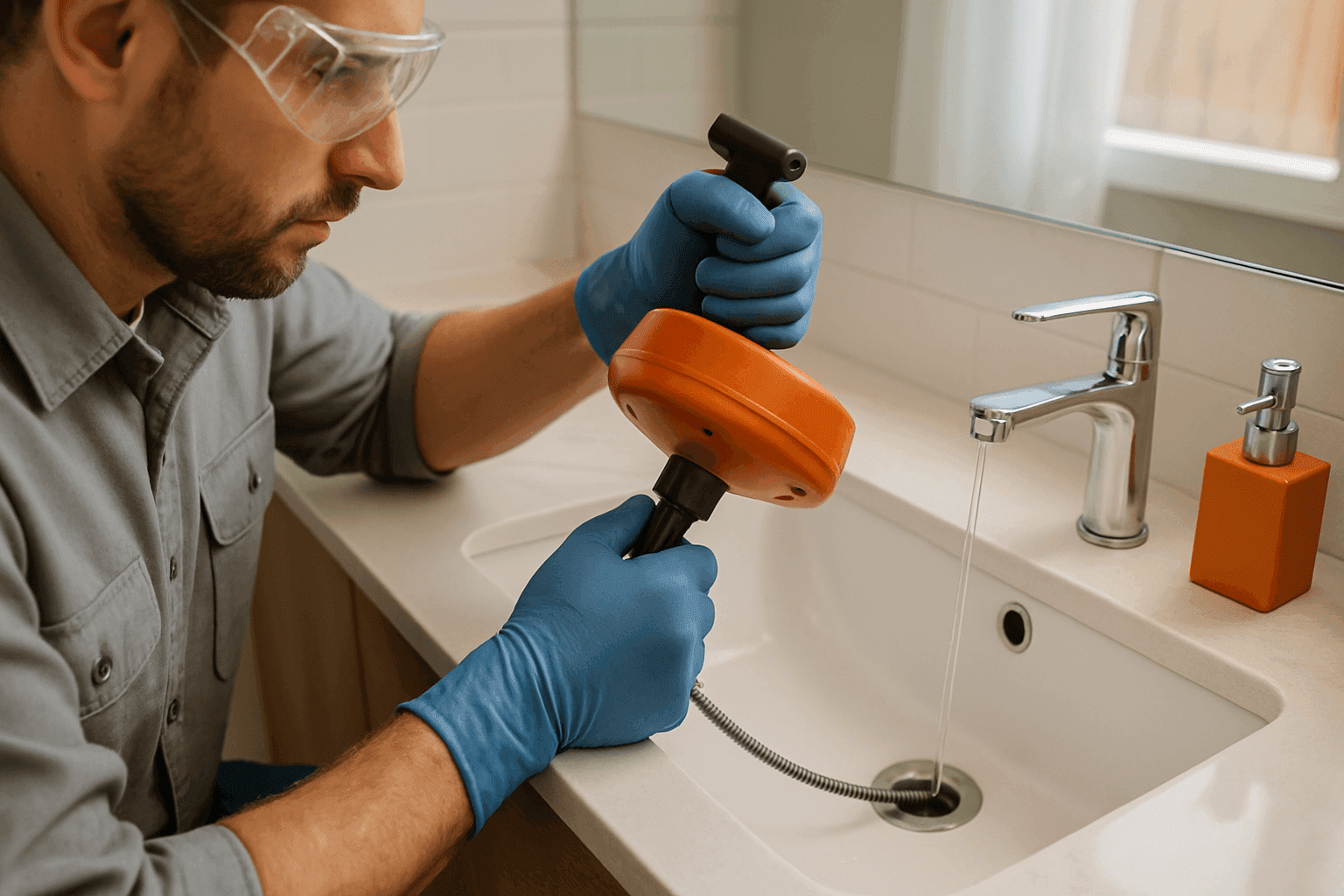
Some clogs are near the surface. Remove the drain cover and use a bent wire hanger or a small plastic drain snake to pull out hair and debris. Always use gentle pressure to avoid scratching the pipe.
What Not to Use: The Hidden Dangers of Chemical Cleaners ⚠️
It’s tempting to reach for a bottle of drain cleaner. But what’s easy for you can be brutal on your pipes—and your health.
Why avoid chemical drain cleaners?
- Corrosive: Many contain lye or acid, which can eat away at older pipes and fittings.
- Heat damage: The reaction creates intense heat, risking cracks in PVC or even warping joints.
- Toxic fumes: Mixing products or using them in poorly ventilated areas can irritate lungs and eyes.
- Environmental hazard: Residue can harm septic systems and groundwater.
The National Association of Home Builders and the International Association of Certified Home Inspectors both recommend avoiding chemical cleaners for routine maintenance. Instead, rely on mechanical tools or call a professional.
DIY or Call a Pro? Knowing Where to Draw the Line
Some clogs are stubborn. Others hint at bigger issues. Here’s how to tell if it’s time to bring in emergency plumbing help:
DIY is usually enough when:
- Only one drain is slow or clogged.
- You can see or easily reach the blockage.
- There’s no foul odor or backup elsewhere.
Call Plateau Plumbing if:
- Multiple drains are affected at once.
- Water backs up into tubs when you flush the toilet.
- You hear gurgling noises from drains.
- There’s a persistent bad smell—especially sewage.
- DIY methods haven’t worked, or water is draining very slowly.
Remember, tackling a tough clog with the wrong tool can crack pipes, escalate leaks, or even cause water damage throughout your home.
What to Expect When the Pros Arrive 🛠️
When you call Plateau Plumbing for drain cleaning—or any kitchen plumbing near you—we show up ready and fully insured.
Here’s how we handle it:
- Assessment: We ask questions and inspect the problem area, looking for hidden clues (water stains, slow gurgles, odors).
- Safe tools: Our techs use professional-grade snakes, augers, and sometimes small inspection cameras to see what’s happening deep in your pipes—no harsh chemicals, ever.
- Precision: We clear the blockage, but also check for pipe damage or signs of bigger problems (like roots or collapsed lines).
- Clean-up: We respect your home, keeping work areas tidy and leaving no mess behind.
- Advice: We’ll explain what happened and how to help prevent it in the future.
We follow local codes and safety guidelines, including recommendations from the Uniform Plumbing Code and Washington State Department of Health (for backflow and water safety).
Preventing Clogs: Maintenance That Matters
An ounce of prevention, as they say, is worth a pound of repair bills. Here’s how to keep your drains running smoothly:
- Use drain screens in showers, tubs, and kitchen sinks to catch hair, food, and debris.
- Never pour grease or oil down the kitchen drain. Wipe pans with a paper towel before washing.
- Flush drains with hot water weekly. This keeps soap and oils from building up.
- Be careful with “flushable” wipes, cotton swabs, and feminine products. Toss these in the trash.
- Schedule annual inspections—especially if your home is older or you’ve had past problems.
Routine check-ups can spot trouble before it becomes an emergency.
Costs & Time Factors: What to Expect
Every home, every clog, every pipe—different. But here’s what you can generally expect:
- DIY fixes: A few dollars for supplies, 10–30 minutes for simple clogs.
- Professional drain cleaning: Most jobs are completed in under an hour, though complicated blockages or root invasions may take longer.
- Potential extra costs: If a camera inspection or pipe repair is needed, this can add to the timeline.
The biggest cost? Delaying. The longer a clog sits, the more likely you’ll deal with water damage, pipe bursts, or even sewer backups.
When It’s an Emergency (and What to Do)
Some drain problems just can’t wait. If you notice:
- Water overflowing from a sink, tub, or toilet.
- Sewage smells or visible sewage in your home.
- A sudden drop in water pressure or gurgling in multiple drains.
Shut off the main water supply if you can, then call for emergency plumbing help immediately. Quick action can save you thousands in repairs.
Frequently Asked Questions
How often should I clean my drains?
Monthly maintenance (hot water flushes, drain screens) and annual professional inspections keep pipes healthy.
Is it safe to use baking soda and vinegar on all drains?
Yes, for most homes—just avoid if you know your pipes are damaged or extremely old.
Why do my drains keep clogging, even after cleaning?
Persistent clogs could mean a bigger issue—like a partial pipe collapse or root invasion. It’s time for a professional inspection.
Can I use a drain snake myself?
For surface-level clogs, yes. But for deeper or more stubborn blockages, improper use can damage pipes—let a professional handle it.
Local and Seasonal Considerations 🌧️
Here in the Plateau region, heavy spring rains and winter freezes add challenges:
- Tree roots are most active in spring and summer, seeking out cracks in sewer lines.
- Cold snaps can cause grease and soap to solidify faster, leading to winter blockages.
- Holiday gatherings mean more cooking and extra stress on kitchen drains.
If you’re in a home with mature landscaping or older pipes, schedule preventative maintenance before the seasons change.
Keeping your drains clear doesn’t have to be a guessing game. If you hit a stubborn clog, notice slow drains in multiple places, or need fast emergency plumbing, Plateau Plumbing is here with safe, effective solutions for every home.
Call Plateau Plumbing now — or reach us anytime at 888-992-7122 .