Fixture Installation Guide: Sinks, Faucets, and More
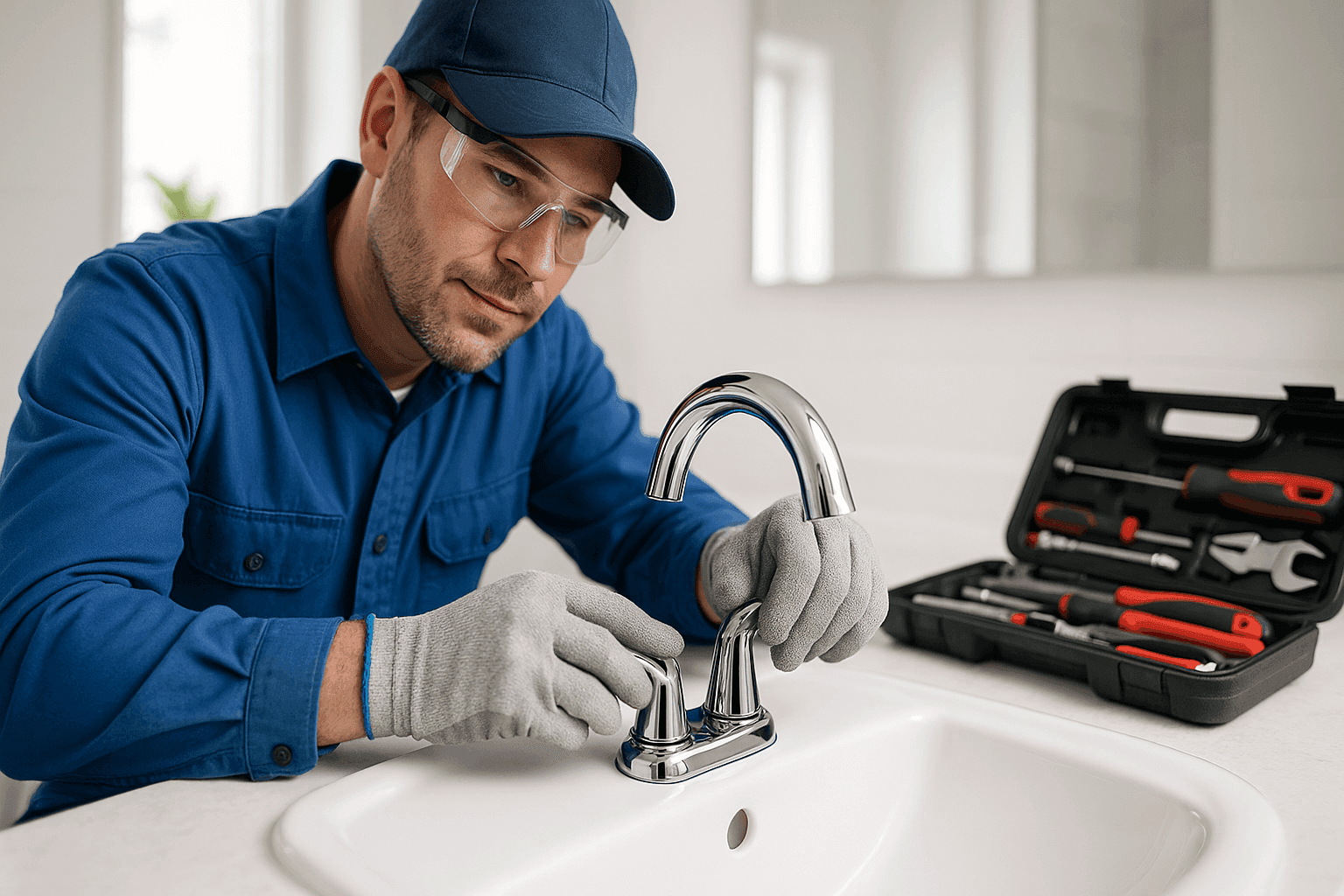
Upgrading your home’s plumbing fixtures can feel like you’re replacing the heart of your kitchen or bathroom. There’s excitement in the air—and maybe a little worry, too. Will you get it right? What if something leaks? With the right information, you don’t have to feel stuck between a leaky pipe and a hard place.
At Plateau Plumbing, we understand how urgent and stressful plumbing projects can become. Whether it’s a midnight drip, a kitchen plumbing project near you, or a plan to finally fix that old faucet, you want reliable information and lasting results. Let’s dive in.
Planning Your Upgrade: Measure, Select, Succeed 🛠️
There’s a world of fixtures out there—shiny new faucets, deep farmhouse sinks, sleek low-flow showerheads. The first step is a mix of dreaming and detective work.
What to Measure:
- Sink size: Measure width, depth, and length. Don’t forget the cutout if you’re replacing a drop-in.
- Faucet holes: Count how many (and how far apart). Some sinks have one, others three.
- Water supply lines: Note where they come from—wall or floor—and their size (usually 3/8” or 1/2”).
- Drain size: Standard is 1.25" for bathrooms, 1.5" for kitchens. Double-check.
Selecting the Right Fixture:
- Material: Brass, stainless steel, and ceramic last longest. Plastic is wallet-friendly, but not built for the long haul.
- Water pressure rating: Especially for showers, check compatibility with your home’s system.
- Style and finish: Chrome resists fingerprints. Matte black hides water spots. Pick what works for your family’s lifestyle.
- Certifications: Look for WaterSense or UPC marks—these meet safety and code requirements.
Tip: Bring your old fixture (or a photo with measurements) to the hardware store. It’s easier than guessing.
Removing Old Fixtures: Safety First, Leaks Last
Before you grab a wrench, pause. Plumbing isn’t just about twisting pipes; it’s about protecting your home.
Quick Safety Checklist:
- Shut off the water: There’s usually a valve under the sink or behind the toilet. If not, shut off the main.
- Test for leaks: After shutting off, turn on the faucet to drain leftover water.
- Protect surfaces: Lay down towels or a bucket to catch drips. Prevent scratches with a mat or cardboard.
- Turn off power: For garbage disposals or anything with wiring, trip the breaker.
- Ventilate: If using sealants or adhesives, open a window.
Pro tip: If a shutoff valve spins endlessly or leaks, that’s a sign it’s time for a replacement—don’t force it.
Installing Sinks, Faucets, and Showers: Step-by-Step
Ready to roll up your sleeves? Here’s how to tackle the big three at home.
How to Install a New Sink
- Dry-fit first: Place the new sink into the cutout to check for fit and clearance.
- Apply sealant: Use plumber’s putty or silicone around the edge (per manufacturer instructions).
- Drop in and secure: Carefully lower the sink. Attach clips or brackets underneath.
- Connect drain and supply lines: Hand-tighten, then snug with pliers. Don’t overdo it.
- Test: Run water, check underneath for leaks, and wipe away excess sealant.
Faucet Installation
- Insert faucet: Place through mounting holes.
- Tighten nuts: From underneath, secure with provided hardware.
- Connect supply lines: Make sure hot/cold are on the correct side.
- Flush lines: Before installing aerator, run water to clear debris.
- Check for drips: Fix any loose connections.
Shower Fixture Upgrade
- Turn off water at the main: Showers rarely have local shutoffs.
- Remove old trim: Unscrew faceplate and handle.
- Install new valve (if needed): This can require soldering or PEX crimping—check local plumbing codes.
- Mount new trim: Screw on plate, handle, and showerhead.
- Test: Watch for leaks, check temperature and flow.
Reference: The International Association of Plumbing and Mechanical Officials (IAPMO) sets many of the standards for fixture installation. Always review local code before you begin.
Common Mistakes to Avoid 🚫
Even the handiest homeowners make these mistakes. Here’s how to dodge them:
- Over-tightening connections: This can crack fittings or strip threads.
- Skipping plumber’s tape: Always wrap threads on threaded connections to prevent leaks.
- Not leveling fixtures: Crooked sinks or faucets are more than cosmetic—they can cause pooling and leaks.
- Forgetting to flush lines: Debris can clog new fixtures or cause instant drips.
- Mixing up supply lines: Hot on the left, cold on the right—classic for a reason.
If you hit a snag, don’t force it. Sometimes tools or parts just don’t fit, and that’s okay.
When to Call a Pro
Some jobs are best left to licensed, insured professionals—especially when safety or major repairs are on the line.
Call Plateau Plumbing if:
- You spot corrosion, mold, or soft spots under sinks.
- Pipes are older than you are.
- The fixture involves gas or electrical work (like some water heaters or garbage disposals).
- You’re dealing with persistent leaks, low water pressure, or recurring clogs.
- A fixture upgrade turns into an emergency plumbing situation—like a burst pipe during installation.
Our team handles everything from leak detection to Kitchen Plumbing near you. We’re always ready for those jobs that need more than elbow grease.
What Pros Do On Arrival
When a Plateau Plumbing technician arrives, here’s what you can expect:
- Inspection: We check for hidden leaks, pipe condition, and code compliance.
- Professional tools: From basin wrenches to pressure gauges, we bring what’s needed for a precise job.
- Safe removal: Old fixtures are disconnected carefully to avoid damaging pipes or cabinetry.
- Proper installation: Everything is leveled, sealed, and tested—no shortcuts.
- Cleanup: We treat your home with respect, leaving the area cleaner than we found it.
Our work is always completed by licensed, insured plumbers. Your satisfaction and safety matter most.
Prevention & Maintenance
A great installation is just the beginning. Keep things running smoothly:
- Inspect for drips monthly: Catch slow leaks before they cause water damage.
- Clean aerators and showerheads: Mineral buildup can slow flow; soak in vinegar every few months.
- Check supply lines: Replace rubber hoses with braided stainless steel for peace of mind.
- Test shutoff valves: Twist them every six months to prevent seizing.
- Use strainers: In sinks and tubs, they block hair and debris, reducing clogs.
Regular attention can help you avoid those dreaded emergency plumbing calls at 2 a.m.
Costs & Time Factors
Every plumbing job is different. Here’s what can affect the price and timeline:
- Fixture type and material: Premium models cost more and may take longer to fit.
- Accessibility: Older homes or tight spaces can mean extra work.
- Existing pipe condition: Corroded or incompatible pipes may need replacement.
- DIY vs. pro: A confident DIYer might finish a faucet in hours; pros are often quicker for complex jobs.
- Permits: Some cities require permits for plumbing work—check with your local building department.
For reference, most simple fixture swaps (like faucets or sinks) take 1–3 hours. More complex installations—especially those involving rerouting pipes or gas lines—can take a full day or more.
When It’s an Emergency 🚨
Sometimes, things go sideways. Here’s when to get help, fast:
- Water won’t stop flowing: Shut off your main valve and call immediately.
- Major leaks or bursts: These can cause structural damage within minutes.
- Sewer smells or backups: Health hazard. Do not delay.
- No hot water: Especially in winter, this can be dangerous for some households.
- Gas smell: Evacuate, then call emergency plumbing services and your utility provider.
Don’t wait—quick action can save your home and your wallet.
FAQ: Fixture Installation
How often should I replace my fixtures?
Most fixtures last 10–20 years, depending on material and use. Signs it’s time: persistent leaks, corrosion, or out-of-date parts.
Can I install a new faucet or sink myself?
Yes, if you’re comfortable with basic tools and follow safety tips. If you hit a snag or something doesn’t fit, call for help.
Do I need a permit to change fixtures?
Usually not for direct replacements, but new plumbing lines or major changes often require one. Check your local code or ask a licensed plumber.
What if the new fixture doesn’t fit?
Don’t force it. Adapters and flexible hoses can help, but sometimes a professional adjustment is needed.
Local & Seasonal Considerations
Plumbing isn’t the same everywhere, or every month. Here’s what to think about:
- Hard water areas: Mineral buildup may shorten fixture life—choose materials accordingly.
- Cold climates: Insulate pipes and fixtures near exterior walls to prevent freezing.
- Older homes: Pipes may be non-standard sizes or made of materials like galvanized steel, which need special care.
- Rainy seasons: Be alert for sump pump issues when installing fixtures in basements.
Always follow the National Standard Plumbing Code or your local equivalent for safe, up-to-code work.
Ready for a smoother fixture installation? Whether you want to try it yourself or need emergency plumbing help, Plateau Plumbing is here to make sure your next project ends with a smile.
Call Plateau Plumbing now — or reach us anytime at 888-992-7122 .