Garbage Disposal Repair: Troubleshooting and Replacement Tips
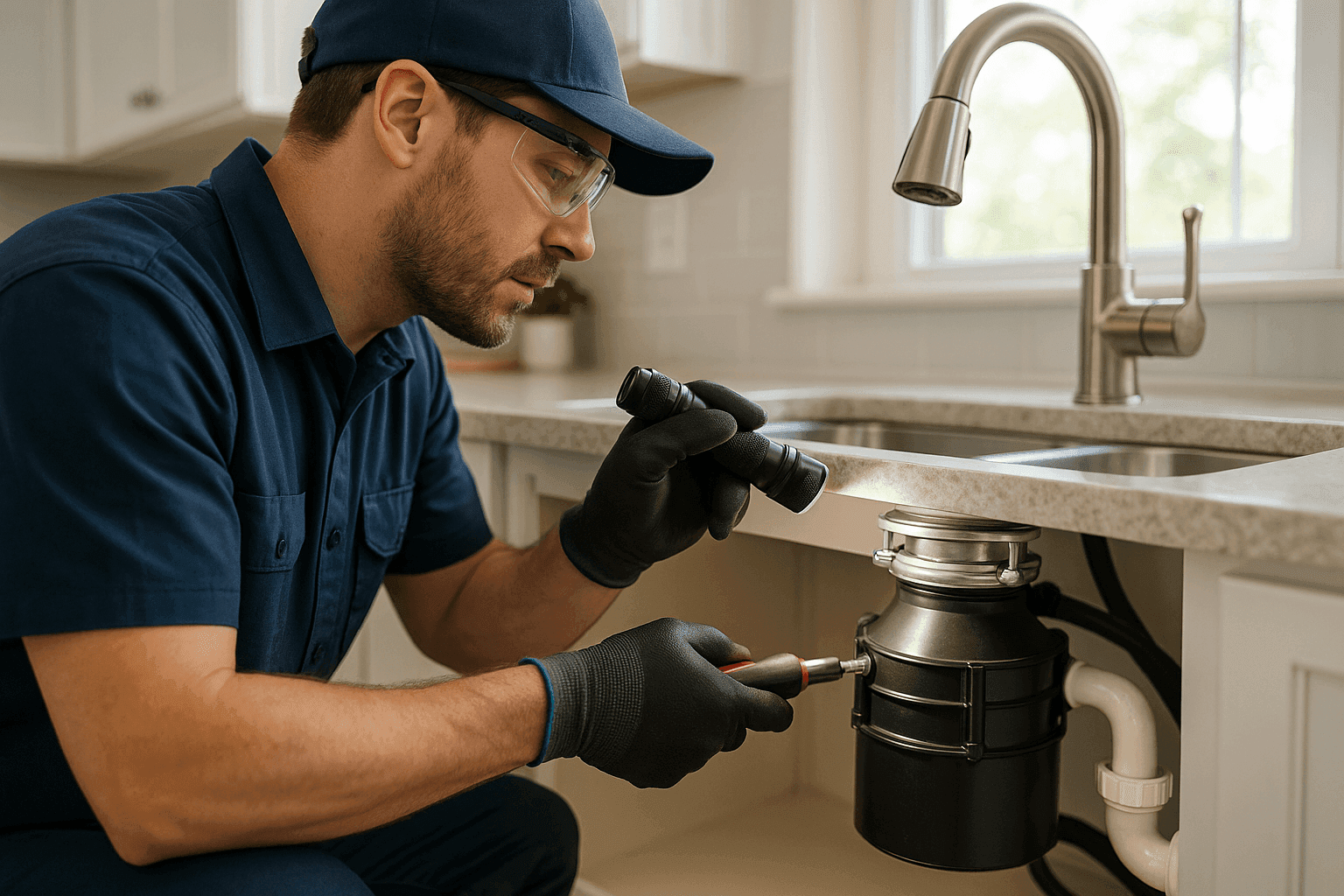
Is your kitchen suddenly sounding like a construction zone every time you flip the disposal switch? Maybe it’s dead quiet—no hum, no grind, just the sound of your dinner plans circling the drain. Garbage disposals are convenient workhorses, but when they jam or break down, it sends the whole kitchen into chaos.
At Plateau Plumbing, we understand how disruptive a broken disposal can be. Whether you’re dealing with a stubborn clog, a mysterious leak, or total silence, we’re here to help you restore normalcy—fast, safe, and with zero guesswork.
Common Garbage Disposal Problems 🛠️
Most disposal issues are easy to spot. Here’s what homeowners report most often:
- Jams: The motor hums, but the blades won’t spin. Sometimes it trips the breaker.
- Leaks: Water puddles under the sink, often from worn gaskets or loose connections.
- No power: Flick the switch—nothing happens. Not even a whimper.
- Unpleasant odors: Food remnants stuck somewhere, causing a persistent smell.
- Slow draining: Water pools in the sink, refusing to disappear.
Each of these signals something needs your attention. The trick? Knowing which problems you can safely tackle—and which ones need a professional touch.
Quick Safety Checklist Before You Start
Before poking around under the sink, take a beat. Safety is your best tool in the toolbox:
- Unplug the disposal or switch off its circuit breaker. Never trust just the wall switch.
- Keep hands and tools out of the disposal unless you’re 100% sure it’s powered off.
- Use a flashlight to peer inside—never your fingers.
- Wear gloves to protect from sharp edges or hidden debris.
- Have a bucket and towels ready in case of leaks or spills.
For more on safe appliance repair, check out guidelines from the National Electrical Code (NEC) and your disposal’s manufacturer manual.
Safe DIY Troubleshooting Steps
Sometimes, the fix is surprisingly simple. Here’s how to approach the three most common disposal headaches:
1. Reset the Disposal
- Many disposals have a red reset button under the unit.
- Press it firmly. If it clicks, try the switch again.
2. Manual Spin to Clear Jams
- Insert a 1/4-inch Allen wrench (hex key) into the hole at the bottom center.
- Gently turn the wrench back and forth to free up the blades.
- Remove the wrench, plug the unit back in, and test.
3. Clearing Obstructions
- Shine a flashlight into the chamber.
- Use long-handled tongs or pliers (not hands!) to remove visible debris—bones, utensils, or stuck food.
- Never use bleach or harsh chemicals; these can damage seals and pipes.
If the disposal still won’t budge, or you hear unusual grinding, it’s time to call emergency plumbing services. Don’t force it—motors can overheat, or minor jams can become major repairs.
Signs It’s Time to Replace Your Garbage Disposal
Not every disposal can be saved. Here’s how to tell when replacement is the better choice:
- Frequent resets: You’re pressing that red button every week.
- Persistent leaks: Gaskets and seals wear out, especially in older units.
- Grinding noises or metal-on-metal sounds: Broken blades or motor issues.
- Electric failures: Tripped breakers, burning smells, or total silence.
- Age: Most disposals last 8–12 years. If yours is older, a new model is usually more efficient and quieter.
If repairs are stacking up like last week’s dishes, investing in a replacement often saves money and stress long-term.
DIY or Call a Professional?
Some jobs look simple—until they aren’t. Here’s how to decide:
DIY is reasonable when:
- The unit just needs a reset.
- You can safely clear a minor jam.
- The issue is surface-level, like a stuck utensil.
Call a pro if:
- You smell burning, see sparks, or trip breakers.
- There’s a leak at the mounting flange or drain pipe.
- The disposal hums but won’t spin, even after manual turning.
- Electrical issues or wiring problems are involved.
- You suspect a pipe, drain, or sewer line issue.
Remember, kitchen plumbing near you is closer than you think. Plateau Plumbing’s licensed, background-checked team handles disposals for every major brand—including InSinkErator, Waste King, Moen, and GE.
What Pros Do On Arrival
When our plumbers show up, here’s what you can expect:
- Full inspection: We check power, wiring, blades, and seals.
- Safe disassembly: We isolate the problem without damaging pipes or counters.
- Clear explanation: We show you what’s wrong and outline your options—repair or replace.
- Expert installation: If needed, we fit your new disposal, test for leaks, and make sure everything drains smoothly.
We use manufacturer-approved parts and stay up-to-date with local plumbing codes. That means your kitchen stays safe, legal, and ready for your next meal.
Prevention & Maintenance Tips
Keep your disposal running strong with these easy habits:
- Run cold water every time you use the disposal.
- Feed food scraps slowly—never dump large amounts at once.
- Avoid fibrous foods like celery, corn husks, and onion skins.
- Skip grease and oils—they harden and clog both disposal and pipes.
- Clean regularly: Toss in a few ice cubes and run the disposal to sharpen blades; follow with citrus peels for a fresh scent.
Annual inspections and preventative maintenance by qualified plumbers can catch small issues before they become emergencies.
Costs & Time Factors
Every kitchen, every disposal, and every repair is different. Here’s what affects your timeline and budget:
- Simple resets: Often done in minutes.
- Minor jams: Might take 15–30 minutes to clear.
- Leak repairs: Gasket replacements or pipe fixes can last an hour or more, depending on access and severity.
- Full replacement: Usually 1–2 hours for most units, longer if rewiring or repiping is needed.
- Costs: Depend on the brand, part availability, and labor required. Replacing an older unit with a modern, more efficient model is often more affordable than repeated repairs.
DIY fixes might save money up front, but incorrect repairs can lead to bigger bills later. A certified plumber ensures the job is done right—the first time.
When It’s an Emergency
If you see water pouring under your sink, smell gas, or your disposal is backing up into other drains, it’s not just an inconvenience—it’s an emergency plumbing situation.
- Turn off power and water to the unit.
- Clean up standing water to avoid slips or water damage.
- Call Plateau Plumbing immediately. Fast response can prevent kitchen flooding, electrical hazards, and health risks from contaminated water.
Our team is ready day or night to handle your plumbing emergencies—disposal, drains, leaks, and more.
Frequently Asked Questions
How do I know if my garbage disposal is jammed or broken?
If the unit hums but doesn’t grind, it’s likely jammed. If there’s no sound at all, check the reset button and power. Still nothing? It may be broken or have an electrical issue.
Can I use chemical drain cleaners in my disposal?
No. Most manufacturers (including InSinkErator) and the U.S. Environmental Protection Agency recommend against it. Chemicals can corrode seals and pipes, leading to leaks and expensive repairs.
What foods should I avoid putting in the disposal?
Skip bones, coffee grounds, grease, fibrous vegetables, and fruit pits. These can jam blades, clog drains, or dull the mechanism.
Should my disposal and dishwasher share a drain?
Many do, but improper installation can lead to backups. Always follow local plumbing codes and manufacturer instructions—or call a licensed plumber for safe setup.
Local & Seasonal Considerations 🚰
If you live in an area with hard water, mineral buildup can shorten your disposal’s life. Winter months can also bring frozen pipes or extra strain on kitchen plumbing during holiday cooking marathons. Consider a water filtration system to reduce scaling, and schedule a winter checkup to keep everything running smoothly.
Ready to Fix or Replace Your Garbage Disposal?
A working kitchen disposal means fewer clogs, cleaner sinks, and a stress-free cleanup after every meal. Whether you’re troubleshooting a small jam or facing a full-blown emergency, Plateau Plumbing makes it easy to get your kitchen back on track.
Call Plateau Plumbing now — or reach us anytime at 888-992-7122 .