Gas Line Installation and Safety: What Every Homeowner Should Know
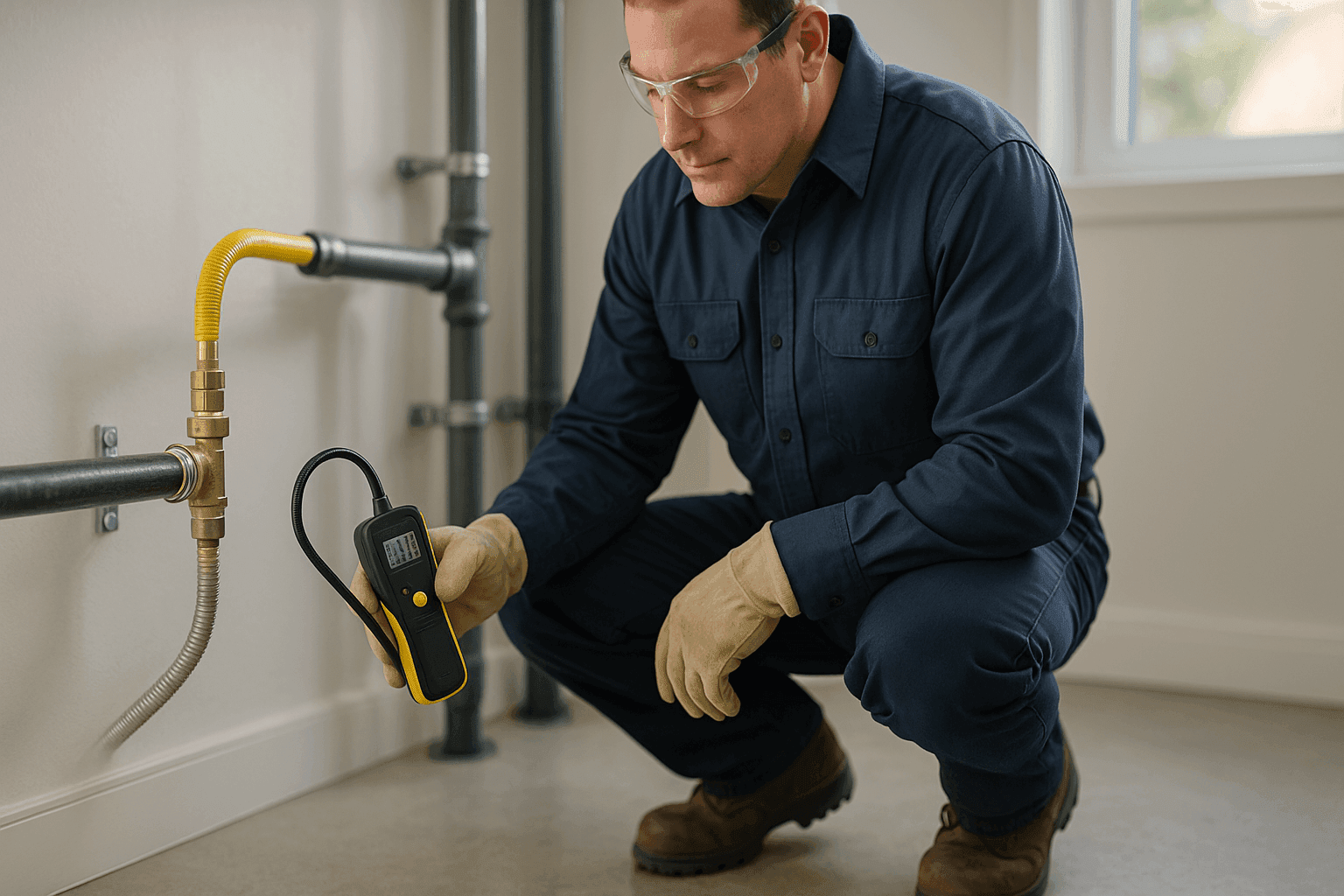
Gas powers so much of what makes home life comfortable. Cooking, heating water, keeping cozy in winter. But the same gas lines that fuel your kitchen or boiler can also pose serious risks if handled carelessly.
At Plateau Plumbing, we’ve seen what happens when gas line work goes wrong. Leaks, fires, and health scares aren’t just stories—they’re emergencies we get called to fix, day and night. Let’s talk about what every homeowner should know about gas line installation and safety.
Why Professional Gas Line Installation Matters ⚠️
Picture a garden hose with a leak. Now imagine that hose is carrying natural gas instead of water. One spark, and the results can be life-altering.
Gas isn’t something to gamble with. It’s invisible, highly flammable, and can be deadly in the wrong conditions. That’s why every city and county has strict building codes for gas lines. These codes are there for a reason: to keep your family safe and your home standing.
Risks of Poor Installation:
- Leaks: Even a tiny gap can let gas escape.
- Fire & Explosion: Gas build-up ignites with a single flame or spark.
- Carbon Monoxide: Poor connections can lead to deadly CO entering your home.
Building Codes & Permits:
Gas line work is regulated. This means:
- Licensed plumbers must follow codes like the International Fuel Gas Code (IFGC) and National Fire Protection Association (NFPA) standards.
- Permits and inspections are not optional—they’re required for your protection.
- DIY or unlicensed work could void insurance and cause legal headaches.
How Gas Lines Are Installed (The Right Way)
Wondering what happens during a gas line installation? Here’s how the process usually flows:
- Assessment: The plumber checks your home, appliances, and existing lines.
- Planning: They map out the safest, code-compliant route for new pipes.
- Permitting: They pull the necessary permits with your city or county.
- Installation: Pipes are cut, fitted, and sealed using specialty tools.
- Pressure Testing: The system is pressurized with air and checked for leaks.
- Inspection: A city inspector approves the work before gas is turned on.
- Final Connection: Appliances are connected and tested for safe operation.
Every step matters. Cutting corners here is like skipping bolts on a rollercoaster—don’t risk it.
Warning Signs of Gas Leaks
Gas can sneak up on you. Many leaks are silent and invisible. But your senses—and a little knowledge—can help.
Common Warning Signs:
- Smell: That “rotten egg” odor is added to natural gas for a reason. If you smell it, act immediately.
- Hissing Sound: Escaping gas can sound like air leaking from a tire.
- Dead Plants: Grass or houseplants dying near a gas line may signal a leak.
- Health Symptoms: Headaches, dizziness, nausea, or confusion indoors could mean gas or carbon monoxide is present.
Carbon Monoxide (CO) Dangers:
CO is colorless, odorless, and lethal. Symptoms can mimic the flu. If you suspect CO, get outside fast and call emergency plumbing help.
Emergency Gas Leak Procedures
If you think you have a gas leak, every second counts. Here’s what to do:
- Get everyone out of the house immediately.
- Do not use electrical switches, phones, or anything that can spark.
- Leave doors open as you exit to help vent gas.
- Once safely outside, call your utility provider and emergency services.
- Then call a licensed emergency plumbing professional—like Plateau Plumbing.
Never try to locate the leak yourself or turn the gas back on. It’s not worth the risk.
Quick Safety Checklist 🛠️
Keep this handy:
- Install CO detectors on every floor and near sleeping areas.
- Know where your gas meter and shutoff valve are located.
- Don’t store flammable items near gas appliances or lines.
- Get annual inspections from a qualified plumber.
- Only trust licensed, bonded, and insured professionals for gas line work.
DIY vs. Call a Pro
It’s tempting to tackle a repair yourself, especially if you’re handy. But gas lines are not the place for trial and error. The risks are simply too high.
When to Call a Pro:
- Any new gas line installation or extension
- Replacing old or corroded pipes
- Moving or adding gas appliances (like a new stove or outdoor grill)
- If you smell gas, hear hissing, or suspect a leak
A certified plumber brings more than just tools. They bring the training and accountability your home deserves.
What Pros Do On Arrival
Here’s what to expect when a licensed plumber arrives:
- Initial safety assessment—checking for immediate dangers
- Use of gas detectors and pressure gauges, not guesswork
- Locating the source of leaks with specialized equipment
- Shutting off gas supply safely
- Repairing or replacing faulty lines with code-approved materials
- Thorough testing before restoring service
Pros work with your local building department and utility provider every step of the way. You get peace of mind—and a safer home.
Prevention & Maintenance
Routine care goes a long way toward avoiding emergencies.
Tips for Homeowners:
- Schedule annual inspections of all gas lines and appliances.
- Watch for rust, corrosion, or loose fittings.
- Upgrade old steel pipes to safer modern materials when possible.
- Have a plumber check connections after any renovation or seismic event.
Authorities like the U.S. Consumer Product Safety Commission recommend regular checks, especially in older homes.
Costs & Time Factors
No two homes are alike, and neither are gas line projects. Here’s what can affect the scope, duration, and cost:
- Distance: Longer runs from the gas meter to the appliance mean more materials and labor.
- Accessibility: Lines under floors or behind walls take more time to install or repair.
- Permitting: Some cities have faster inspection processes than others.
- Materials: Flexible CSST or rigid black pipe; each has its own cost and installation method.
Most simple repairs can be done in a few hours. Full installations or major rerouting may take a day or longer, including inspection time.
When It’s an Emergency
Gas leaks don’t wait for business hours. If you ever smell gas or lose pressure unexpectedly, treat it as an emergency.
- Get everyone out safely.
- Don’t use electronics or open flames.
- Call 911 or your local gas utility.
- Then call an emergency plumbing service. Fast action saves lives.
Plateau Plumbing responds around the clock. Licensed, bonded, insured—and ready to help when you need us most.
FAQ: Home Gas Line Safety
Q: Can I install a new gas appliance myself?
A: In most areas, installing or moving gas lines requires a licensed plumber and a permit. DIY work can be dangerous and may void your insurance.
Q: How often should gas lines be inspected?
A: Once a year is a good rule of thumb, or anytime you notice symptoms of a problem.
Q: What should I do if my carbon monoxide alarm goes off?
A: Evacuate everyone immediately. Call 911 and wait for authorities to declare your home safe before re-entering.
Q: Are flexible gas lines safe?
A: Yes—when installed by a professional and properly bonded, flexible lines (like CSST) are safe and widely used.
Local and Seasonal Considerations
In areas with cold winters, ground shifts and freezing can stress gas lines. Heavy rains may expose or damage buried pipes. If you’re planning outdoor projects—like landscaping or adding a patio—always have the gas lines marked before digging.
Seasonal appliance changes (like installing a gas fireplace or outdoor grill) are a great time to schedule a safety check. Remember, what works safely in one home or climate may not be code-compliant in another.
Gas line safety isn’t just a box to check—it’s a responsibility. Whether you need a simple inspection, kitchen plumbing near you, or emergency plumbing in the middle of the night, Plateau Plumbing is here for you.
Call Plateau Plumbing now — or reach us anytime at 888-992-7122 .