How to Unclog Any Drain: DIY Tips & When to Call a Pro
Is your sink gurgling? Water not going down the shower like it used to? Clogged drains hit fast—and they never pick a good moment.
At Plateau Plumbing, we know the frustration of standing ankle-deep in murky water or staring at a stubborn kitchen sink. We’re here to help homeowners just like you—whether you want to try a fix yourself or need emergency plumbing fast.
Common Causes of Drain Clogs 🚿
Clogs are like traffic jams for your pipes. Some pop up suddenly, others build up slowly over weeks or months. Here are the usual culprits:
- Hair: The number one troublemaker for bathroom drains. It tangles with soap and forms tough knots.
- Grease & Oil: In kitchens, grease cools, hardens, and sticks to pipes like glue. Even a little makes a big difference.
- Food Scraps: Starchy foods (think rice, pasta) and coffee grounds are sneaky—they expand and block pipes.
- Soap Scum: Bar soap combines with minerals, leaving behind stubborn residue.
- Foreign Objects: Kids’ toys, dental floss, cotton swabs—anything but water can cause chaos.
- Tree Roots: Outside, roots sniff out moisture and squeeze into tiny pipe cracks.
Every drain tells a story. A slow bathtub might mean hair and soap buildup. A bubbling toilet? That could point to a deeper sewer line problem.
Step-by-Step DIY Drain Clearing
You don’t always need a toolbox full of gadgets. Start simple and work your way up.
Safe Use of Tools & Chemicals
Before you grab anything, remember: your pipes are more fragile than you think. A little too much force—or the wrong product—can turn a clog into a bigger emergency.
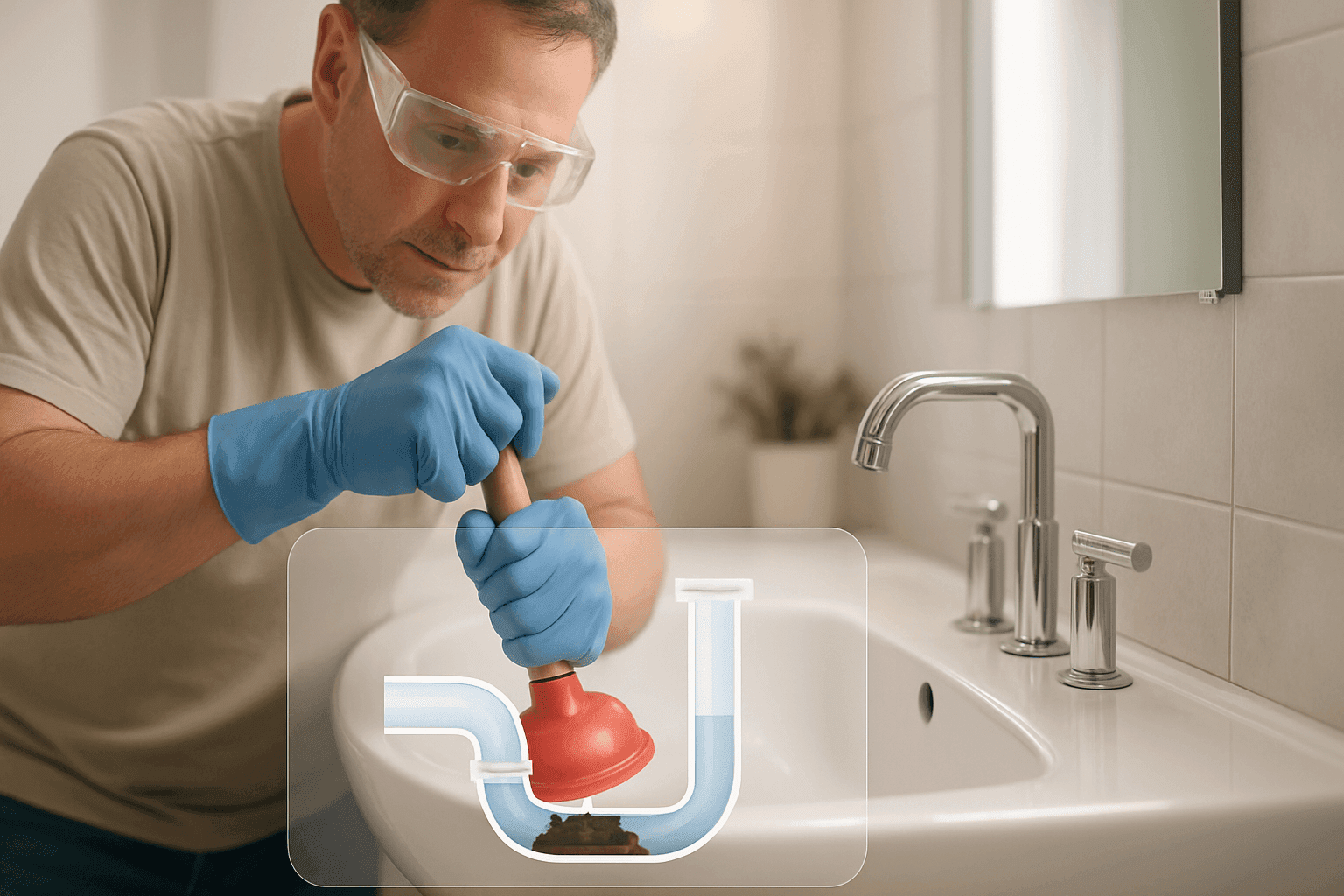
- Plunger: Your best friend for sinks, tubs, and especially toilets. Make sure you have a good seal, use short, sharp plunges, and don’t splash.
- Drain Snake (Auger): A hand-crank auger can cut through hair and minor blockages. Insert slowly. If you hit something hard, don’t force it—metal pipes can dent or crack.
- Baking Soda & Vinegar: Pour 1/2 cup baking soda, then 1/2 cup vinegar down the drain. Let it fizz for 10–15 minutes, then flush with hot water. This is gentle and eco-friendly.
- Hot Water Flush: For grease, pour boiling water slowly (never in PVC pipes!). This can melt small blockages.
- Drain Cleaners: Be cautious. Many store-bought chemicals are harsh, can erode pipes, and are unsafe for septic systems. Always read the label. The Environmental Protection Agency (EPA) recommends eco-safe products.
Never use more than one chemical cleaner at a time. Mixing can create toxic fumes. Open windows and wear gloves when handling any product.
DIY Steps (for Most Clogs)
- Remove visible debris (hair, gunk) from the drain opening.
- Plunge with water in the fixture—cover any overflow holes for better suction.
- Try a drain snake if the plunger fails.
- Use baking soda and vinegar for minor slowdowns.
- Flush with hot water and test.
Take your time. If water still doesn’t budge, stop. Forcing it can worsen the problem.
When to Avoid DIY
Sometimes, rolling up your sleeves isn’t the best idea. Trying to fix a major clog yourself can be like poking a beehive with a stick—things can get messy, fast.
- Repeated Clogs: If the same drain keeps blocking, it’s a deeper issue.
- Multiple Slow Drains: This often means a problem in the main line.
- Sewage Smells or Backups: Any sign of sewage means stop immediately—sewer gas is dangerous.
- Standing Water That Won’t Drain: Could mean a full blockage or pipe collapse.
- Gurgling or Bubbling Sounds: This can signal a vent or sewer line issue.
Red Flags for Hidden Issues
- Water pooling in the yard (could be a broken sewer line)
- Mold or water stains near plumbing fixtures
- Sudden drop in water pressure
- Rusty or dirty water
If you spot any of these, call for emergency plumbing help. Guesswork can do more harm than good.
Preventative Drain Maintenance 🛠️
An ounce of prevention is worth a pound of repair. Regular care keeps your drains running like clockwork.
- Use Mesh Screens: Catch hair and food before they go down the drain.
- Dispose of Grease Properly: Pour it into a container, then trash it.
- Run Hot Water Weekly: Helps dissolve small buildups.
- Flush Drains with Baking Soda & Vinegar Monthly: Safe for pipes, gentle on the environment.
- Don’t Flush Wipes or Hygiene Products: Even “flushable” wipes can clog pipes.
- Schedule Annual Plumbing Inspections: A professional can spot problems before they become emergencies.
Many local plumbing codes (see International Plumbing Code, Section 701) require traps and cleanouts to prevent backups—regular checks help you stay compliant and avoid fines.
Professional Drain Cleaning: What to Expect
When the clog refuses to budge, it’s time for professional help. Here’s what happens when Plateau Plumbing arrives:
- Assessment: We’ll listen to your story—what’s clogged, what you’ve tried, and any strange sounds or smells.
- Inspection: Using cameras, we look inside pipes for hidden blockages, cracks, or root intrusion.
- Professional Tools: From motorized augers to hydro-jetting (high-pressure water), we use equipment designed for tough jobs—without damaging pipes.
- Safe Cleanup: We protect your home, clean up the area, and make sure everything flows freely before we leave.
Our licensed plumbers follow all local codes and safety guidelines. We never use shortcuts that could put your home at risk.
Costs & Time Factors
Clogs vary. Unclogging a bathroom sink might take 20 minutes and basic tools. Main sewer line problems can take hours, specialized equipment, and sometimes pipe repairs.
- DIY Supplies: Plunger, snake, eco-friendly cleaner—usually affordable.
- Professional Help: Prices depend on severity, time of day (after-hours emergency plumbing may cost more), and whether repairs are needed.
- Time: Simple fixes are quick. Hidden or repeat clogs can take longer, especially if parts need replacement.
It's always better to call sooner rather than later. Waiting can turn a small clog into a major repair.
When It’s an Emergency 🚨
Some clogs are just annoying. Others threaten your home’s safety and health. Call emergency plumbing if:
- Water is rising or overflowing
- Sewage is backing up into sinks, tubs, or toilets
- You smell gas near plumbing lines
- You suspect a burst pipe (water pooling, sudden loss of pressure)
- No water at all
Fast action can prevent water damage, mold, and costly repairs.
FAQ: Your Drain Questions Answered
Q: Is it safe to use chemical drain cleaners?
A: Use caution. Many can damage pipes, harm septic systems, and are hazardous if mixed. Try natural options first.
Q: What’s the best DIY tool for clogs?
A: A plunger for most blockages. A hand auger for tougher ones. Avoid wire hangers—they can scratch or puncture pipes.
Q: Why does my drain keep clogging?
A: Could be buildup in the pipes or a deeper sewer issue. Frequent clogs need a professional inspection.
Q: Are store-bought drain snakes safe?
A: Most are fine for minor clogs, but forcing them can damage pipes. If you hit resistance, stop.
Local & Seasonal Plumbing Tips
Changing seasons bring new plumbing challenges.
- Winter: Cold snaps can freeze pipes. Let faucets drip in freezing weather, and keep cabinet doors open to let warm air reach pipes.
- Spring/Fall: Tree roots grow fast—if you notice slow drains after heavy rain, roots could be invading your sewer lines.
- Summer: More outdoor activities mean more debris. Remind family to keep sand, grass, and grease out of drains.
If you’re searching for “Kitchen Plumbing near you” or need a fast fix, Plateau Plumbing is ready—day or night.
Don’t let a stubborn clog ruin your day. If your DIY efforts aren’t working, or you spot any warning signs, it’s time to call in the pros. Your pipes—and your peace of mind—are worth it.
Call Plateau Plumbing now — or reach us anytime at 888-992-7122 .