What Causes Low Water Pressure? Diagnosis and Solutions
Is your shower turning into a drizzle? Does your kitchen faucet barely fill a glass before you lose patience? Low water pressure isn’t just annoying—it can signal bigger trouble lurking in your pipes. At Plateau Plumbing, we know how frustrating it feels when water pressure drops unexpectedly. You want answers, fast, and you don’t want to waste time chasing dead ends.
Let’s walk through what causes low water pressure, how to spot it, and what you can do before it becomes a household emergency.
Where Does Low Water Pressure Strike? (Symptoms by Fixture) 🚰
Low water pressure shows up in more places than you think. Sometimes it’s just one tap. Sometimes it’s the whole house. Here’s how to spot the difference:
- Kitchen faucets: Filling a pot feels endless. Sprayers lose their punch.
- Showers: Weak streams that barely rinse shampoo.
- Toilets: Slow fills or incomplete flushes.
- Washing machines: Laundry cycles drag on or don’t fill properly.
- Outdoor spigots: Watering the lawn? More like a gentle mist.
If it’s just one fixture, the problem is likely close by. If it’s everywhere, your main supply or pipes could be to blame.
Quick Safety Checklist for Homeowners 🛑
Before you dive into fixes, check these basics:
- Main shut-off valve: Make sure it’s fully open.
- Pressure-reducing valve: Has it been adjusted or bumped recently?
- Water meter valve: Sometimes city crews or contractors leave it partially closed.
- Check for leaks: Look for puddles under sinks, behind toilets, or on your basement floor.
- Listen: Running water sounds when no one’s using a tap could spell leaks.
- Aerators and screens: Unscrew faucet tips to check for trapped grit.
If you spot a soaked floor or water stains on ceilings, shut off your water and call for emergency plumbing help immediately.
What Causes Low Water Pressure? (Common Culprits)
Water pressure, like traffic, can slow down for all sorts of reasons. Some are small, others are serious roadblocks:
Localized Issues
- Clogged aerators and showerheads: Sediment and mineral buildup restrict flow.
- Shut or partially closed valves: Even a slight turn can cut your pressure.
- Leaky supply hoses: Tiny splits in flexible lines under sinks or toilets.
Whole-House Problems
- Hidden leaks: Water escapes before reaching your taps, often inside walls or under floors.
- Old, corroded pipes: Galvanized steel can rust inside, narrowing the path over decades.
- Pressure regulator failure: If your home has one, a malfunction can choke the flow.
- Main supply troubles: Work by the water company, broken mains, or city supply issues.
- Backflow or cross-connection issues: Plumbing code violations can create low (or unsafe) pressure.
Seasonal/Environmental
- Frozen pipes: In winter, even partial freezing can block flow.
- Construction nearby: Temporary drops from city or neighborhood work.
What Homeowners Can Check (Before You Call)
Before reaching for the phone, try these steps:
- Test multiple fixtures: Is it just the bathroom sink, or every tap?
- Remove and clean aerators: Rinse out grit and soak in vinegar for mineral removal.
- Inspect visible pipes: Look for wet spots or corrosion.
- Check valves: Confirm all are fully open, especially after recent work.
- Ask neighbors: If they also have low pressure, it’s likely a city water issue.
If you find a clear, fixable issue—great. If not, it’s time to get help.
DIY Fixes vs. When to Call a Pro 🛠️
Some fixes are safe for homeowners. But when the cause is hidden or involves critical systems, don’t risk it.
Good for DIY:
- Cleaning aerators or showerheads.
- Opening valves fully.
- Replacing simple faucet washers or supply hoses.
Call Plateau Plumbing for:
- Suspected leaks inside walls or beneath floors.
- Unexplained drops in pressure across the whole house.
- Issues with your pressure regulator.
- Signs of pipe corrosion, rust stains, or discolored water.
- Repeated clogs or slow drains (could signal a deeper blockage or sewer issue).
Remember: Water damage sneaks up fast. What starts as a mild annoyance can turn into an emergency plumbing situation overnight.
What Do the Pros Do On Arrival?
When Plateau Plumbing arrives, we bring more than a wrench. Here’s how we tackle pressure woes:
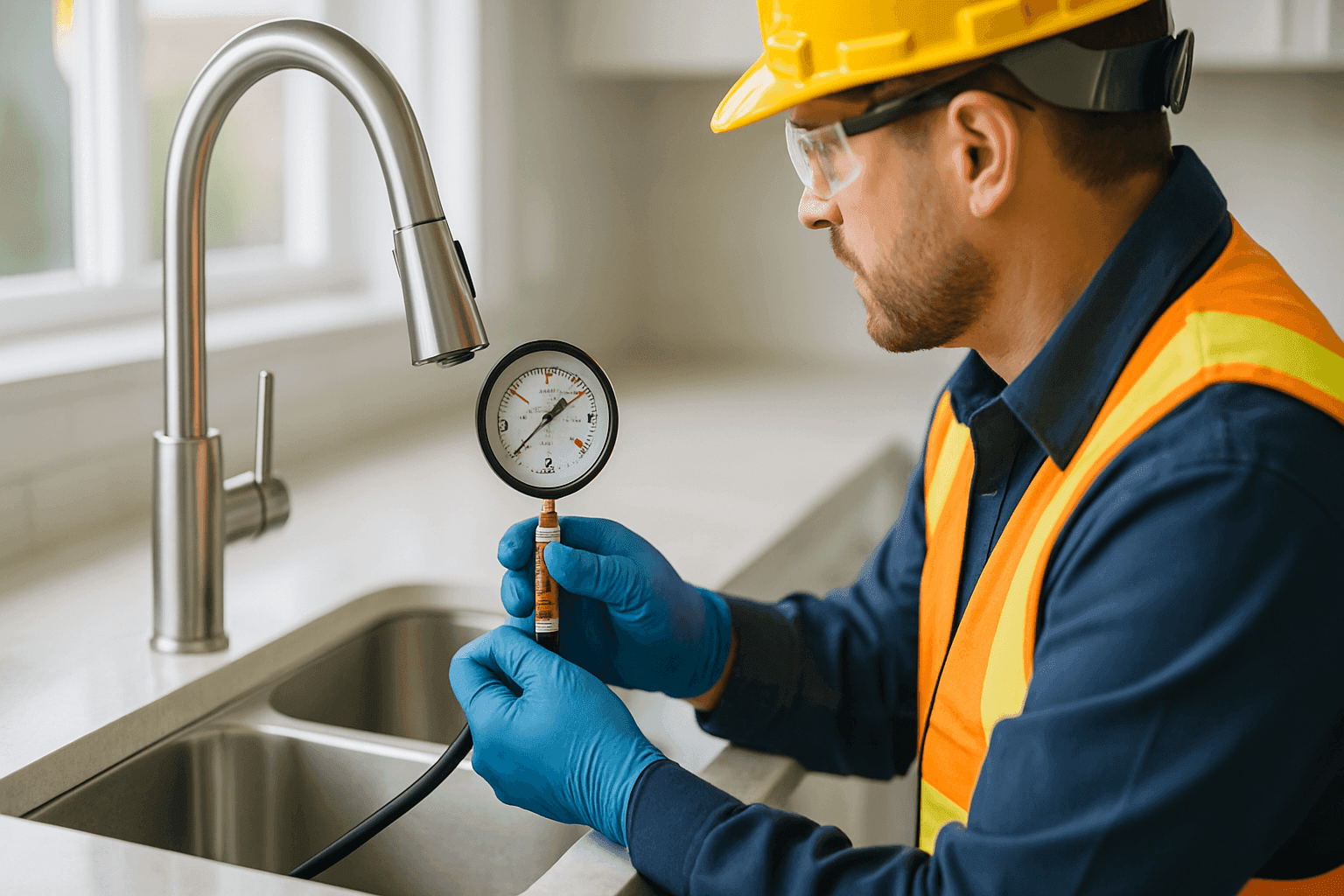
- Pressure testing: Using calibrated gauges, we measure inlet and fixture pressures to pinpoint the weak spot.
- Visual inspection: We check pipes, valves, and connections for leaks or corrosion.
- Code compliance: Ensuring all repairs meet local and national plumbing codes (referencing the Uniform Plumbing Code and International Plumbing Code standards).
- Thermal imaging or moisture meters: For hidden leak detection behind walls or under floors.
- Fixture and appliance checks: Verifying water heaters, boilers, and filtration systems aren’t the culprit.
We don’t guess. We diagnose, then explain your options clearly.
Prevention & Maintenance Tips 🛡️
Keep water flowing strong with these simple habits:
- Annual valve checks: Turn and test main and fixture valves each year.
- Flush water heaters: Sediment can clog lines and reduce pressure.
- Clean aerators every few months: Especially in areas with hard water.
- Watch for spikes in your water bill: An early warning sign of hidden leaks.
- Schedule regular plumbing inspections: Especially in older homes or after major renovations.
Proactive steps keep surprises (and emergencies) at bay.
Costs & Time Factors
Every home—and every pressure problem—is different. Here’s what to expect:
- DIY fixes: Cleaning aerators or opening valves usually takes minutes and costs next to nothing.
- Professional diagnostics: Pressure testing and inspection can often be done within an hour.
- Leak repairs or pipe replacement: Timeline varies based on access and severity. Small repairs may take hours; major repiping could span several days.
- Material costs: Vary with the size of your home and the type of plumbing involved.
Remember, quick action can keep costs lower by stopping water loss and property damage early.
When It’s an Emergency (Don’t Wait!) 🚨
Certain warning signs mean you should call for emergency plumbing help right away:
- Sudden, severe drop in pressure throughout the house
- Visible water damage—wet ceilings, walls, or floors
- Water bubbling up from the ground or foundation
- Sounds of running water when no fixtures are on
- No water at all (other than from a scheduled city shutoff)
Plateau Plumbing is ready for emergencies, 24/7. Fast response keeps your home safe and limits the mess.
Frequently Asked Questions
Q: Why is my kitchen faucet pressure low, but the bathroom is fine?
A: Most likely, the kitchen faucet aerator is clogged or the supply line has a small blockage. Remove and clean the aerator first.
Q: Can hard water cause low pressure?
A: Yes—mineral buildup inside pipes, valves, and aerators narrows the passage, reducing flow over time. Regular cleaning and water softening can help.
Q: Is low pressure dangerous?
A: Chronically low pressure isn’t just inconvenient—it can signal leaks or code violations, and may allow contaminants into your water supply if backflow prevention is compromised.
Q: How do I know if it’s my pipes or the city supply?
A: Check with neighbors. If they have the same issue, it’s likely city-wide. Otherwise, it’s probably your home’s plumbing.
Local and Seasonal Considerations 🌦️
- Winter: Watch for frozen pipes, especially in unheated spaces or exterior walls.
- Spring: Thawing ground can reveal leaks that developed over winter.
- Older homes: Pipes may be more susceptible to corrosion and buildup.
- Recent construction nearby: Temporary drops in pressure are common when the city works on water mains.
Stay alert for changes in water pressure during these times. Early detection is key.
Low water pressure can be a puzzle, but you don’t have to solve it alone. Whether you need kitchen plumbing near you, leak detection, or fast emergency plumbing, Plateau Plumbing is here to help.
Call Plateau Plumbing now — or reach us anytime at 888-992-7122 .