How to Maintain Your Home Plumbing System Year-Round
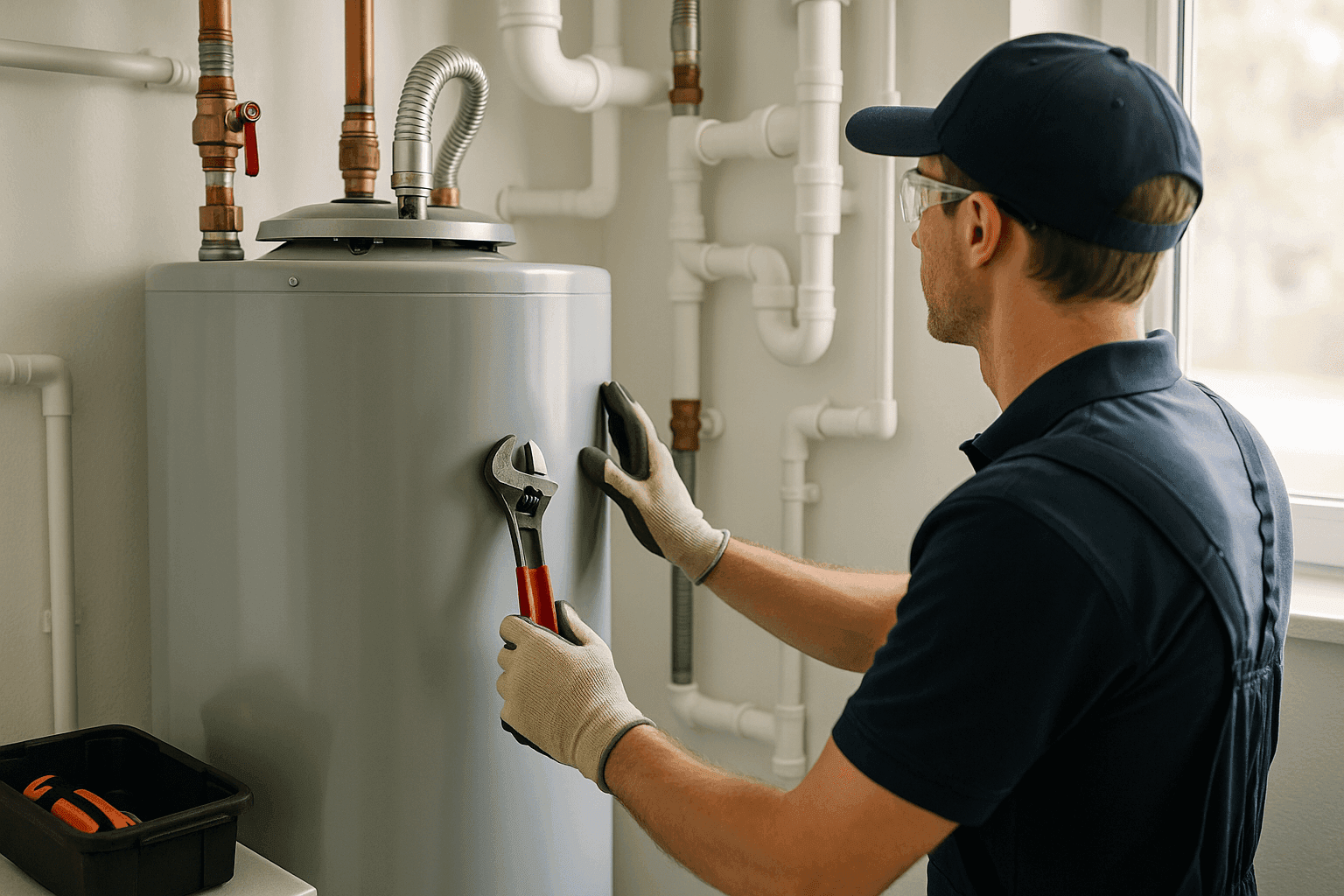
Your plumbing system is the silent workhorse of your home or business. You don’t notice it—until something goes wrong. Then, suddenly, you’re ankle-deep in water, or left without hot showers, or scrambling to find a reliable plumber in the middle of the night.
At Plateau Plumbing, we know the stress plumbing problems cause. That’s why we’ve created this guide: to help you keep your pipes, drains, and fixtures humming along smoothly all year. With a little attention and the right know-how, you can avoid costly repairs and late-night emergency plumbing calls.
Why Year-Round Plumbing Maintenance Matters
Think of your plumbing like the circulatory system of your building. Pipes, drains, and valves quietly deliver water where you need it and carry away waste. But just like arteries can clog, pipes can too. Small leaks, unseen corrosion, or neglected fixtures can turn into big headaches if ignored.
Regular maintenance isn’t just about preventing disasters. It helps you:
- Extend the lifespan of pipes and appliances
- Maintain good water pressure
- Avoid water damage and mold
- Keep energy bills in check
- Protect your investment
Neglecting maintenance is like skipping oil changes in your car. Everything seems fine—until it isn’t.
Quick Safety Checklist Before You Start 🛑
Before you roll up your sleeves, take a minute to run through these plumbing safety basics:
- Know where your main water shut-off valve is—and make sure everyone in your household does too.
- Turn off power to electric water heaters before inspection or draining.
- Wear gloves and eye protection when working near chemicals or drain cleaners.
- Never mix cleaning products—dangerous fumes can result.
- If you smell gas or suspect a gas leak, leave the area immediately and call a professional.
- Keep children and pets away from work areas.
Following safety protocols isn’t just smart—it’s required by plumbing codes and safety organizations like the International Association of Plumbing and Mechanical Officials (IAPMO).
DIY Plumbing Tasks vs. When to Call a Pro
Some maintenance is well within reach for most homeowners and small business owners. Other jobs are best left to trained, licensed plumbers. Here’s how to tell the difference:
What You Can Do Yourself
- Check for visible leaks under sinks, around toilets, and appliances.
- Clean faucet aerators and showerheads to remove mineral buildup.
- Pour boiling water down drains monthly to help prevent clogs.
- Test your sump pump by pouring water into the pit and making sure it cycles on.
- Inspect hoses on washing machines and dishwashers for cracks or bulges.
- Flush your water heater once a year to reduce sediment buildup (follow the manufacturer’s instructions).
When to Call Plateau Plumbing
- Persistent leaks or water pooling where it shouldn’t be.
- Slow or clogged drains that don’t respond to basic cleaning.
- Strange noises from pipes, water heaters, or sump pumps.
- Low water pressure throughout the building.
- Signs of corrosion, rust, or mold.
- Gas line issues, backflow prevention, or anything involving gas appliances.
- Major fixture installations or repiping projects.
Trying to tackle complex plumbing repairs on your own can lead to bigger problems—and in some cases, serious safety hazards.
What Plateau Plumbing Pros Do On Arrival
When you call Plateau Plumbing for emergency plumbing or scheduled maintenance, here’s what you can expect:
- Thorough assessment: We’ll inspect visible and hidden plumbing, using tools like moisture meters and thermal cameras for leak detection.
- Clear communication: You’ll get a straightforward explanation of what’s going on, what needs to be fixed, and what it’ll take.
- Safety checks: We verify gas lines, water heaters, and backflow prevention devices are up to code.
- Efficient repairs: Our technicians use professional-grade tools and parts for long-lasting results.
- Cleanup: We leave your space tidy—no muddy boots or stray parts left behind.
Prevention & Maintenance: What to Do Each Season
Staying ahead of plumbing problems means thinking ahead. Here’s how to break down your maintenance throughout the year:
Spring: Wake Up Your Plumbing
- Check for leaks caused by winter freezes.
- Inspect sump pumps before spring rains.
- Clean gutters and downspouts so water flows away from your foundation.
- Test outdoor faucets for leaks or reduced pressure.
- Flush your water heater to remove sediment.
Summer: Manage Water Pressure and Usage
- Inspect hoses for outdoor watering and irrigation.
- Check for signs of mildew or musty odors in bathrooms and basements.
- Watch for water pressure changes—high usage can stress pipes.
- Look for slow drains in kitchens and bathrooms.
Fall: Prepare for Colder Weather
- Insulate exposed pipes in unheated areas like garages and crawl spaces.
- Disconnect and drain garden hoses.
- Test your sump pump before fall storms.
- Schedule backflow testing if required by local codes.
Winter: Prevent Freezing and Bursts
- Let faucets drip during deep freezes to prevent pipes from bursting.
- Open cabinet doors under sinks to let warm air circulate.
- Check for drafts near plumbing and seal gaps.
- Know how to shut off your water in case of emergency.
Drain Cleaning: Keep Things Flowing
Clogged drains are one of the most common reasons people call for emergency plumbing. Here’s how to keep yours clear:
- Don’t pour grease or oil down kitchen sinks.
- Use drain screens to catch hair and debris.
- Clean drains monthly with hot water or a baking soda/vinegar mix.
- Avoid chemical drain cleaners—they can damage pipes and are hazardous.
If a drain backs up repeatedly, it could signal a bigger problem like a sewer line issue. That’s when it’s time to call Plateau Plumbing.
Leak Detection: Catch Problems Early
A tiny drip can waste thousands of gallons of water a year. Here’s how to spot leaks before they become disasters:
- Check your water meter: Turn off all water, then see if the meter still moves.
- Look for water stains on ceilings, walls, or floors.
- Listen for running water when everything’s off.
- Watch for mold or mildew in odd places.
Professional leak detection often involves specialized equipment and is best handled by a licensed plumber.
Water Heater Care: Hot Water, Hassle-Free
Water heaters need regular attention to work efficiently and safely:
- Drain and flush the tank annually to remove sediment.
- Check the temperature setting—120°F is usually recommended for safety and efficiency.
- Inspect for rust or corrosion on the tank and connections.
- Test the pressure relief valve following the manufacturer’s instructions.
If your water heater is making strange noises, producing rusty water, or struggling to keep up, it may be time for repair or replacement.
Sump Pump Maintenance: Stay Dry
A failed sump pump can lead to a flooded basement in a flash. Keep yours ready:
- Test the pump by pouring water into the pit.
- Clean the inlet screen regularly.
- Check the discharge pipe for obstructions.
- Have a backup power source if you’re in an area prone to outages.
Pipe Inspections: Out of Sight, Not Out of Mind
Pipes run through walls, floors, and ceilings. Here’s how to keep an eye on them:
- Look for bulges, rust, or discoloration on exposed pipes.
- Listen for banging or rattling—it could mean loose pipes or water hammer.
- Schedule professional inspections for older buildings or if you’ve had repeated leaks.
Repiping or major pipe repairs should always be handled by qualified professionals.
Costs & Time Factors: What to Expect
Plumbing maintenance doesn’t have to break the bank. Most simple tasks—like cleaning drains or inspecting hoses—take less than an hour and cost little to nothing.
Bigger jobs, like water heater flushing or sump pump testing, might take a couple of hours. Professional inspections or repairs can range from quick fixes to multi-day projects, depending on the issue.
Remember, investing a little time and money in prevention saves much more in emergency plumbing costs and water damage repairs down the line.
When It’s an Emergency 🚨
Sometimes, waiting isn’t an option. Call Plateau Plumbing right away if you notice:
- Burst pipes or major leaks
- Flooding in any part of your building
- No water flow from faucets
- Sewage backups or foul odors from drains
- Gas smells or suspected gas leaks
Quick action can limit damage and keep your property safe.
Frequently Asked Questions
How often should I check for leaks?
At least once a season. A quick visual check under sinks, around appliances, and in the basement can catch problems early.
Is it safe to use chemical drain cleaners?
Most professionals recommend against it. They can damage pipes, harm septic systems, and create safety hazards. Stick to mechanical cleaning or call a plumber.
How do I know if my water heater needs maintenance?
If you hear rumbling, see rust, or notice inconsistent hot water, it’s time for a checkup. Annual flushing is a good rule of thumb.
What’s the best way to prevent frozen pipes?
Insulate exposed pipes, let faucets drip during cold snaps, and keep indoor temperatures above freezing.
Special Considerations for Home and Small Business Plumbing
- Commercial plumbing systems may require more frequent inspections, especially for backflow prevention and water pressure regulation.
- Older buildings with original plumbing should be inspected for lead pipes, corrosion, and outdated fixtures.
- Gas line safety is critical—always use a licensed plumber for installations, repairs, or inspections.
- Water filtration systems need regular filter changes and periodic professional servicing.
Staying proactive keeps your plumbing system in top shape, whether you’re caring for a cozy home or a bustling storefront.
Year-Round Plumbing Maintenance Checklist
- [ ] Inspect for leaks monthly
- [ ] Clean faucet aerators and showerheads quarterly
- [ ] Flush water heater annually
- [ ] Test sump pump before rainy seasons
- [ ] Insulate pipes before winter
- [ ] Check hoses on appliances semi-annually
- [ ] Schedule professional inspection at least once a year
A little attention goes a long way. Your plumbing will thank you.
Ready for peace of mind? Call Plateau Plumbing now — or reach us anytime at 888-992-7122 .