Pipe Installation & Repiping: A Complete Homeowner’s Guide
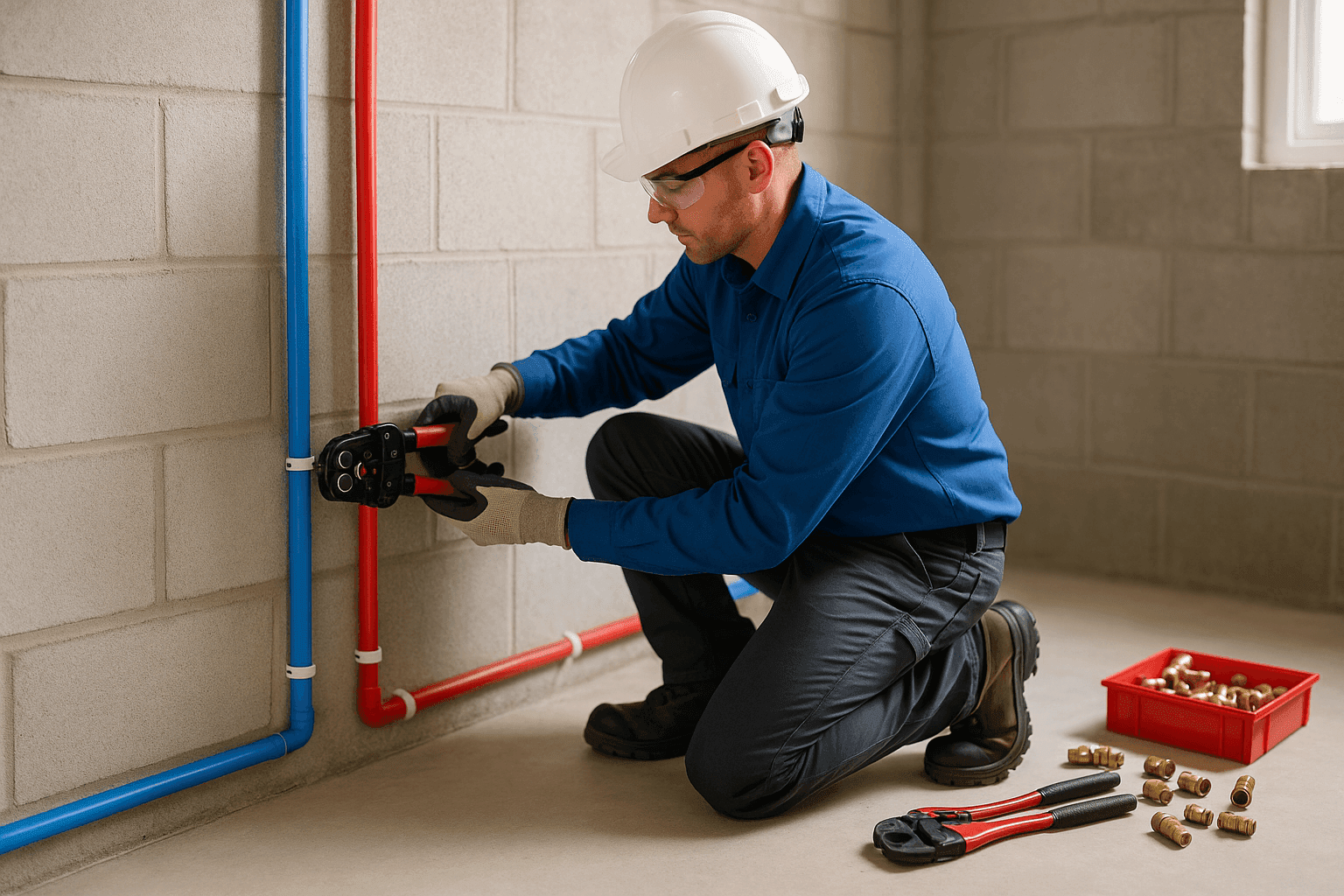
Pipes aren’t something you think about—until you have to. One day, life’s humming along. The next, you spot a mysterious puddle, or water pressure drops to a trickle. Suddenly, your home’s veins are all too real.
At Plateau Plumbing, we understand the stress of plumbing problems. Whether you’re facing an emergency leak or planning a remodel, knowing when and how to replace your pipes helps you stay a step ahead. Let’s break down what every homeowner needs to know about pipe installation and repiping—without the jargon.
Signs You Need New Pipes 🚨
Not all pipes last forever. Sometimes, the need for repiping sneaks up quietly; other times, it bursts onto the scene like a fire drill. Here’s how to read the signals:
- Age of Pipes: Most homes built before the 1970s used galvanized steel or cast iron, which can rust and corrode from the inside. Even copper and newer plastics have lifespans—think 40–70 years for copper, 20–50 for PEX or PVC.
- Frequent Leaks: One leak, maybe bad luck. Two or more in a year? That’s the plumbing version of a warning light on your dashboard.
- Water Discoloration: Brown, yellow, or reddish water often means rust inside your pipes. It’s like a teabag that’s been left too long—flavorful for all the wrong reasons.
- Low Water Pressure: If faucets start to sputter or showers feel weak, mineral buildup or corrosion could be choking your pipes.
- Visible Corrosion or Stains: Green or white crust on copper, or brown marks along basement ceilings, are red flags.
- Odd Smells or Tastes: Metallic tang, mustiness, or rotten egg odor can all trace back to failing pipes.
You might notice just one of these, or several at once. If so, it’s time to explore your options.
Choices in Pipe Materials
Picking pipe material is a bit like choosing shoes: some are classic, some modern, all have their pros and cons.
- Copper: The old faithful. Durable, resists bacteria, and handles high temperatures. Downsides? Cost and potential for pinhole leaks from acidic water.
- PEX (Cross-linked Polyethylene): Flexible, easy to install, resistant to freeze damage. Think of it as the running shoe of the plumbing world. Not ideal for outdoor use due to UV sensitivity.
- PVC (Polyvinyl Chloride): Common for drain lines. Affordable and won’t rust, but not used for hot water supply.
- CPVC (Chlorinated PVC): Can handle higher temperatures than standard PVC, suitable for both hot and cold water.
- Galvanized Steel/Cast Iron: Rarely used in new installs—mainly seen in older homes. Heavy and prone to corrosion.
Pro Tip: If you’re unsure what’s in your home, check exposed pipes in the basement or utility areas. Or snap a photo—your local plumber can ID it for you.
The Installation & Repiping Process: What’s Involved
Repiping isn’t just a quick fix. It’s a thoughtful process—like rewiring your home’s circulatory system. Here’s what happens:
Planning
- Inspection: A licensed plumber checks visible pipes, water quality, and pressure. Sometimes, cameras are used for hidden lines.
- Material Selection: Based on your home layout, budget, and any special needs (like radiant heating or local water chemistry).
- Permits & Codes: All work must meet local building codes. Reputable plumbers pull permits and schedule inspections.
The Work
- Preparation: Furniture and belongings are covered or moved. Water is shut off at the main valve.
- Access Points: Small sections of drywall may be cut to reach pipes. These are patched after the work.
- Pipe Replacement: Old pipes are removed; new ones are installed, tested, and secured.
- Finishing Touches: Walls are repaired, and the workspace is cleaned up.
Duration
- Small projects: (Single bathroom or kitchen) can take a day or two.
- Whole-house repipes: Usually 3–7 days, depending on house size and complexity.
Tip: Plan for some water outages, but a good plumber will try to keep them as brief as possible.
Why Pipe Installation Matters
Old, failing pipes are more than a nuisance. They can cause water damage, raise your utility bills, and even affect your health. Choosing quality materials and professional installation means fewer headaches down the road.
- Stops leaks before they cause mold or structural damage
- Improves water flow and pressure for daily comfort
- Prevents contamination from rust or lead
- Increases your home’s value and appeal
Quick Safety Checklist ✅
Before any work starts, keep these in mind:
- Confirm Licensing & Insurance: Never allow unlicensed work. Ask to see credentials.
- Check for Asbestos/Lead: Older homes might have hazardous materials. Removal must be handled safely.
- Know Your Shut-Off Valve: Learn where your main water shut-off is located—in case you need to use it fast.
- Secure Pets & Kids: Keep them away from work areas to avoid injury.
- Review the Plan: Make sure you understand where and when walls will be opened.
For more details, standards like the Uniform Plumbing Code (UPC) and National Standard Plumbing Code (NSPC) set safety benchmarks for all professional work.
DIY vs. Call a Pro
Some repairs are DIY-friendly. Full pipe installation or repiping? That’s a different beast.
DIY
- Suitable for small fixes: tightening a fitting, swapping a faucet, or unclogging a drain.
- Risks: Water damage, code violations, hidden leaks, or even voiding insurance.
Call a Pro
- Licensed plumbers have the right tools and knowledge of current codes.
- They’ll handle permits, inspections, and repairs to walls or floors.
- Emergency plumbing needs—like sudden leaks or burst pipes—should always be left to professionals.
Remember: Pipes are like arteries—if you nick one, the mess spreads fast.
What Pros Do On Arrival
When you call Plateau Plumbing for pipe installation, here’s what to expect:
- Assessment: We listen to your concerns and check all suspect areas.
- Testing: Water pressure, flow rates, and sometimes camera inspections.
- Clear Estimates: We explain the scope, materials, and anticipated duration—no guesswork.
- Code Compliance: Every step follows local building codes.
- Respect for Your Home: Floors, furniture, and belongings are protected throughout the process.
- Communication: You’re kept informed, from start to finish.
Prevention & Maintenance
Pipes are out of sight, but they shouldn’t be out of mind. Here’s how to keep yours healthy:
- Annual Inspections: Especially if your home is over 30 years old.
- Check for Leaks: Look under sinks, around toilets, and in the basement.
- Monitor Water Pressure: Sudden changes can indicate a problem.
- Water Filtration: Can extend pipe life by reducing mineral buildup.
- Avoid Harsh Chemicals: They may clear clogs, but can also eat away at pipes.
A little attention now saves a lot of trouble later.
Costs & Time Factors
Every home is different, so exact numbers vary. But here’s what influences the bottom line:
- Scope: Replacing a single section (like a kitchen line) costs less than a whole-house repipe.
- Material Choice: Copper is pricier than PEX or PVC.
- Accessibility: Pipes hidden behind tile or concrete take more time to reach.
- Home Size: More bathrooms = more pipes.
- Permits & Inspections: Required by law, but add time and small fees.
- Restoration: Patching drywall or repainting after the job.
Rough Timeline:
Small jobs: 1–2 days
Whole house: 3–7 days
Value:
New pipes can lower water bills, improve property value, and protect against costly water damage. Don’t forget—insurance may cover some emergency plumbing repairs if damage is sudden and accidental.
When It’s an Emergency
Some plumbing problems can’t wait.
- Burst Pipes: Water pouring out? Shut off your main valve and call for emergency plumbing.
- Major Leaks: Large puddles, soaked walls, or ceilings at risk of collapse.
- Sewage Backups: Bad smells, gurgling drains, or visible waste.
- No Water: If your supply stops entirely, don’t wait.
In these situations, speed matters. Plateau Plumbing offers 24/7 emergency plumbing for homeowners who need help now.
FAQ
How long do pipes last in most homes?
- Copper: 40–70 years.
- PEX/PVC: 20–50 years.
- Galvanized steel: 20–50 years (but corrosion is common after 30).
Will my walls have to be opened?
- Some walls or ceilings may need small holes for access, but professionals patch these after the work.
Can I stay in my house during repiping?
- In most cases, yes. Water will be off for parts of the day, but plumbers work in sections to minimize disruption.
What if my pipes have lead?
- Lead pipes or solder should be replaced ASAP. The EPA and CDC recommend full removal for health and safety.
Local & Seasonal Considerations 🏠
Climate matters. In cold regions, pipes are at risk of freezing—especially if they’re in exterior walls or unheated basements. Seasonal temperature swings can also cause pipes to expand, contract, and eventually crack.
- Insulate pipes in unheated spaces.
- Schedule repiping or major work during mild weather, if possible.
- Heavy rains? Sewer line inspection and backflow prevention save headaches down the road.
If you’re planning a remodel or notice any warning signs, reach out before small issues become big emergencies.
Ready for reliable pipe installation, repiping, or emergency plumbing? Plateau Plumbing is fully insured, code-compliant, and provides clear estimates every time.
Call Plateau Plumbing now — or reach us anytime at 888-992-7122 .