How to Prepare Your Plumbing System for Seasonal Weather Changes
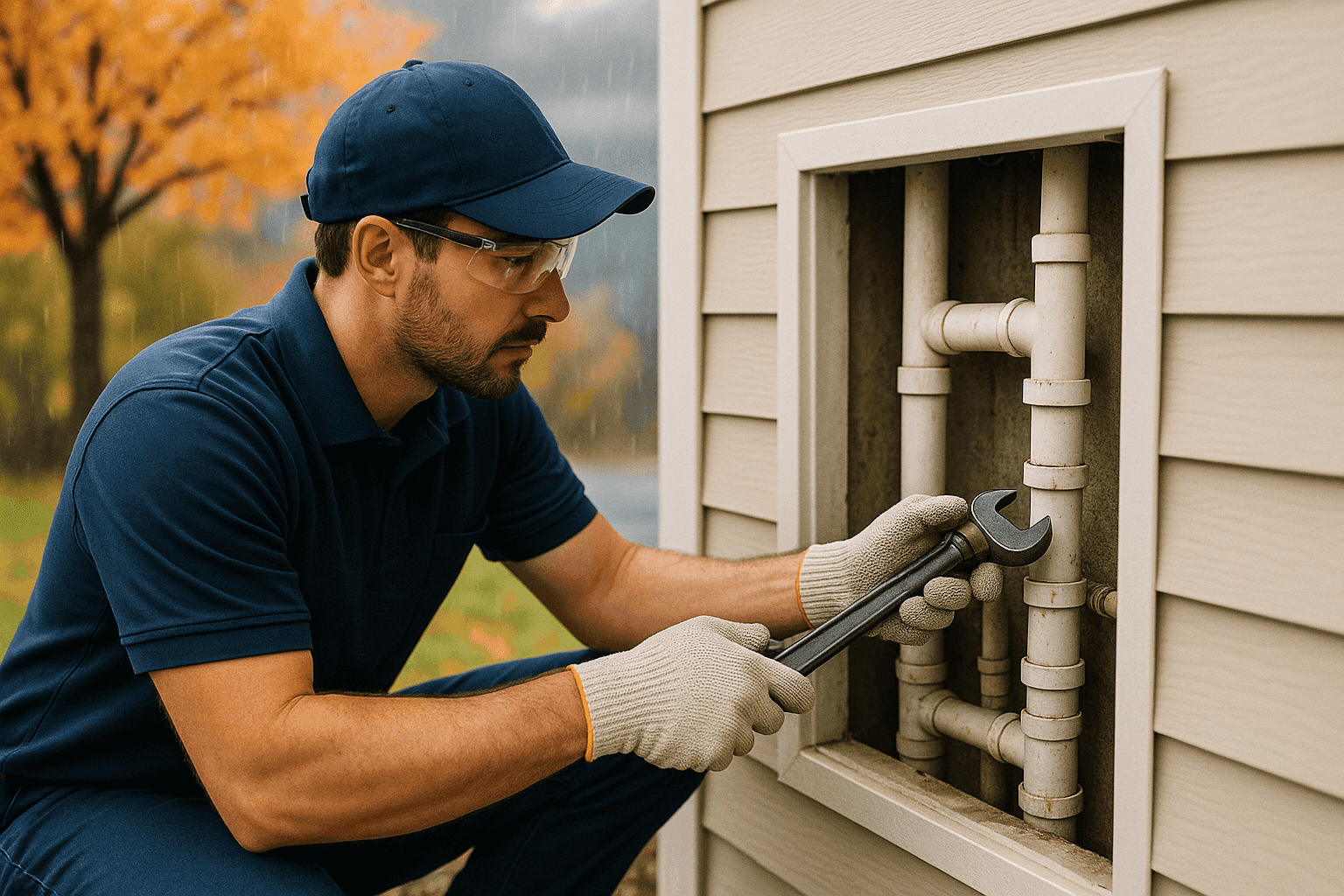
Every season brings its own headaches for your plumbing. One chilly night, a pipe bursts. Or, when summer hits, water pressure drops and faucets sputter. Sound familiar? You’re not alone—these problems catch homeowners and small business owners off guard all the time.
At Plateau Plumbing, we’ve seen what happens when pipes aren’t ready for the weather. Let’s walk through how you can protect your plumbing system before the seasons change. A little prep now can save you from stressful, expensive emergencies later.
Why Seasonal Plumbing Preparation Matters 🛠️
Think of your plumbing like the silent veins of your building. When the temperature swings, those veins expand, contract, and sometimes crack. Water freezes, pipes burst, and leaks spring up overnight. According to the International Association of Certified Home Inspectors, water damage from frozen pipes is one of the most common insurance claims for property owners.
But it’s not just winter. Summer brings its own set of challenges—higher water demand, more pressure on aging pipes, and even root intrusion in sewer lines. Without preparation, you could be left with a mess and a big repair bill.
Winter Plumbing Tips to Avoid Frozen Pipes
When temperatures drop, water in your pipes can freeze faster than you expect. Frozen water expands, putting pressure on the pipe walls—like a can of soda left in the freezer. Here’s how to stay ahead of trouble:
- Insulate exposed pipes: Use foam pipe insulation or even old towels to wrap pipes in unheated areas like basements, crawl spaces, and garages.
- Seal gaps and cracks: Check for drafts near pipes. Use caulk or spray foam to close up holes in walls, floors, and foundations.
- Let faucets drip: A slow trickle keeps water moving, making it less likely to freeze.
- Disconnect garden hoses: Shut off and drain outdoor faucets to prevent ice from backing up inside.
- Know your main shut-off valve: If a pipe bursts, you’ll want to stop the flow fast.
The American Red Cross recommends checking these steps before the first freeze sets in. Prevention is always easier than repair.
Summer Maintenance for Optimal Performance
Hot weather can be just as tough on your plumbing. More showers, laundry, and outdoor activities mean more strain on pipes and drains. Here’s what to watch for:
- Inspect for leaks: Look under sinks, behind toilets, and around appliances for any signs of moisture or mold.
- Check water pressure: If pressure drops, it could mean a hidden leak or buildup in your pipes.
- Clean out drains: Remove debris from gutters, downspouts, and outdoor drains to prevent backups during summer storms.
- Service your water heater: Sediment can build up faster in the summer. Flush the tank to keep it running efficiently.
- Watch for tree roots: Roots seek out water, sometimes breaking into sewer lines. If you notice slow drains, call for a sewer line inspection.
Signs Your Plumbing Needs Professional Attention Before Seasonal Changes
Not every problem is obvious. Some warning signs are subtle—like a faint drip, a slow drain, or a patch of wet drywall. Here’s what should send up a red flag:
- Persistent clogs or slow drains
- Unexplained spikes in your water bill
- Water stains or musty odors
- Noisy pipes (banging, rattling, or whistling)
- Low water pressure throughout the building
If you spot any of these, it’s time to bring in a licensed plumber before the season changes. Ignoring small issues can turn them into emergencies.
Emergency Preparedness for Plumbing Issues 🚨
Emergencies don’t wait for a convenient time. A burst pipe at midnight or a flooded basement during a summer storm is always a scramble. Here’s how to be ready:
- Locate your main water shut-off: Make sure everyone in your home or business knows where it is.
- Keep emergency numbers handy: Save Plateau Plumbing’s number in your phone.
- Have basic supplies: Pipe clamps, towels, and buckets can help control damage until help arrives.
- Know your insurance coverage: Understand what’s covered in case of water damage.
The Insurance Institute for Business & Home Safety recommends regular maintenance to avoid the most common causes of emergency plumbing calls.
Quick Safety Checklist
- Insulate pipes in unheated spaces
- Seal cracks and gaps near plumbing
- Test sump pump before heavy rain
- Clean and check gutters and downspouts
- Flush water heater regularly
- Check for leaks and water stains
- Disconnect and drain outdoor hoses
DIY vs. Call a Pro
Some plumbing prep is a weekend project. Wrapping pipes, checking for leaks, and cleaning drains are all doable for most homeowners. But when it comes to:
- Major leaks or water stains
- Sewer line inspection or repair
- Gas line installation or checks
- Water heater or boiler issues
- Persistent low water pressure
…it’s best to call a licensed plumber. Code compliance and safety regulations matter—especially for gas and water systems.
What Pros Do On Arrival
When you call Plateau Plumbing, here’s what you can expect:
- Thorough inspection: We check for hidden leaks, vulnerable pipes, and signs of wear.
- Pressure testing: To find weak spots before they become big problems.
- Thermal imaging: Identifies cold spots and potential freeze risks.
- Code compliance review: Ensures your plumbing meets current safety standards.
- Clear communication: We explain what we find and what needs to be done—no jargon.
Prevention & Maintenance
Year-round maintenance is key to avoiding emergencies. Here are Plateau Plumbing’s top tips:
- Schedule annual plumbing inspections
- Flush and service your water heater every 6–12 months
- Test and maintain sump pumps before rainy season
- Install water leak detectors in high-risk areas
- Have backflow prevention devices tested as required by code
Refer to the Uniform Plumbing Code and local safety guidelines for best practices.
Costs & Time Factors
Plumbing prep doesn’t have to break the bank. Insulating pipes and sealing gaps are low-cost, high-impact steps. Annual inspections and preventative maintenance can range from a couple of hours for a checkup to a full day for more complex systems.
Emergency plumbing repairs, on the other hand, are more expensive and disruptive. A burst pipe or water heater failure can take several hours—and cost much more than routine maintenance.
When It’s an Emergency
Don’t wait if you see:
- Water pouring from ceilings, walls, or floors
- A sudden loss of water pressure
- Sewage backups or strong odors
- Gas smells near appliances or pipes
These are true emergencies. Shut off your water (or gas), clear the area, and call for emergency plumbing help right away.
FAQ
How often should I have my plumbing inspected?
Ideally, once a year—especially before winter or summer. Older homes or buildings with frequent issues may need more frequent checks.
What’s the best way to prevent frozen pipes?
Insulate exposed pipes, seal drafts, and let faucets drip during extreme cold. Keep your thermostat set above 55°F, even if you’re away.
Can I handle small leaks myself?
You can use pipe clamps or plumber’s tape for a temporary fix, but it’s important to have leaks repaired professionally to prevent hidden damage.
Is backflow testing really necessary?
Yes. Backflow prevention protects your drinking water from contamination and is required by many building codes.
Special Considerations for This Service
Every property is unique. Older buildings may have outdated pipes or fixtures that need extra attention. Commercial properties often have more complex plumbing systems, requiring specialized maintenance and regular backflow testing. If you have a sump pump, water filtration system, or gas lines, make sure these are included in your seasonal prep.
Following recommendations from organizations like the American Society of Plumbing Engineers helps ensure your system is ready for whatever the weather brings.
Call Plateau Plumbing now — or reach us anytime at 888-992-7122 .