Preventing Frozen Pipes: Winter Plumbing Tips for Homeowners
Winter can be beautiful—until your pipes freeze. Suddenly, a quiet morning becomes a mad dash to mop up water, call emergency plumbing, and hope the damage is limited. We get it. At Plateau Plumbing, we’ve seen how quick temperature drops can upend your peace at home.
A bit of prevention and know-how goes a long way. Homeowners across the region face the same risks. With the right winter checklist, you can avoid costly repairs and keep your pipes—plus your sanity—intact.
Why Pipes Freeze (And Where Trouble Hides) ❄️
You know the drill: the temperature dips, and everyone starts talking about frozen pipes. But why does it happen? Think of water like a stubborn guest at a party. As it gets colder, water in your pipes wants to expand—eventually bursting through whatever stands in its way.
Risk Factors to Watch
Some homes are more at risk than others. High on the list?
- Old or uninsulated pipes: Metal conducts cold fast.
- Pipes running through unheated spaces: Basements, attics, garages, crawlspaces.
- Outdoor plumbing: Hose bibs, sprinkler lines, and pool lines.
- Plumbing on exterior walls: Even inside, pipes close to the cold outdoors can freeze.
Young homes aren’t immune. Poor design or renovations can leave pipes exposed in unexpected places.
Quick Winter Safety Checklist
Keep this list handy before the first cold snap:
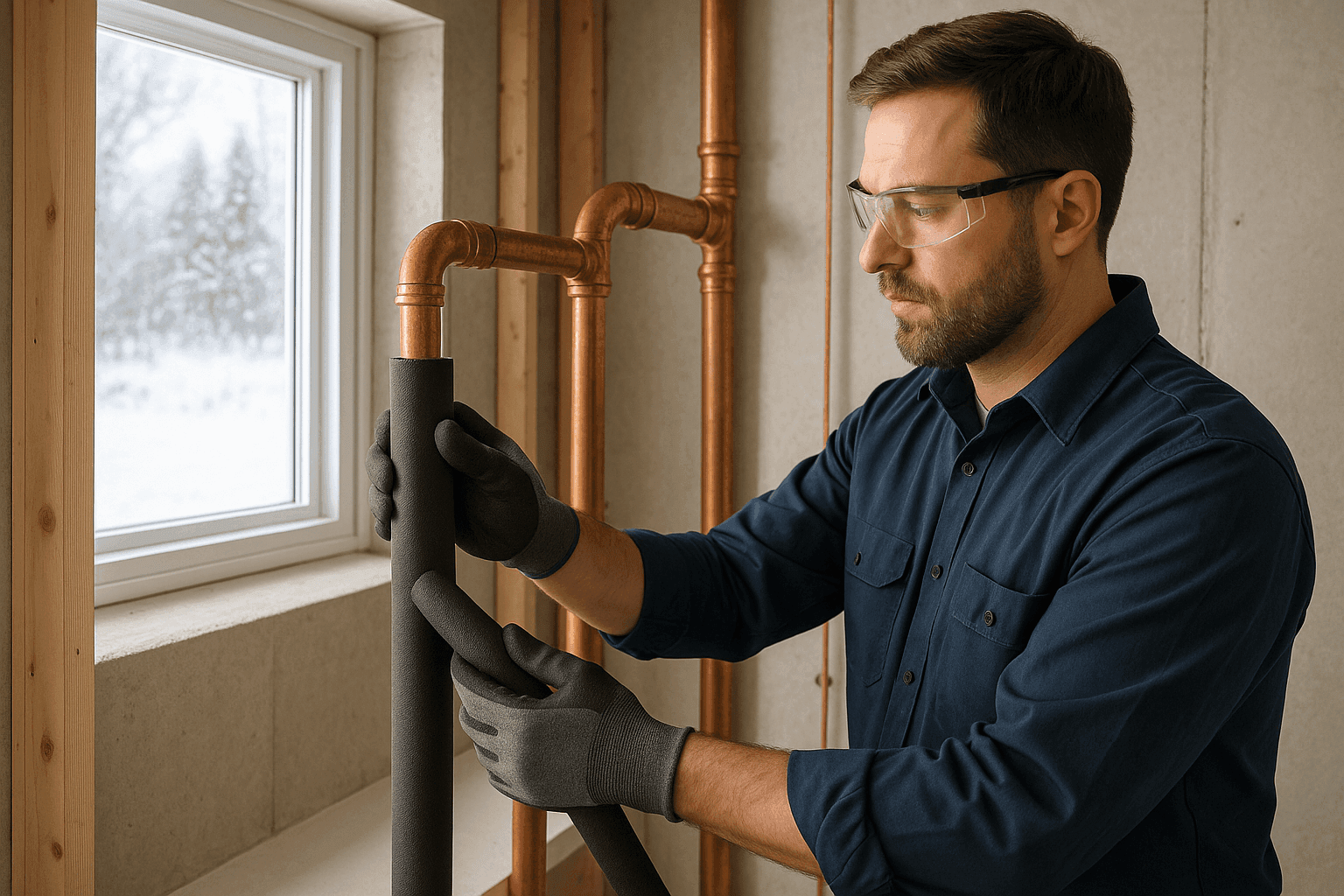
- Insulate exposed pipes (foam sleeves or fiberglass).
- Disconnect hoses and drain outdoor faucets.
- Let faucets trickle on the coldest nights.
- Open cabinet doors beneath sinks to let warm air in.
- Set your thermostat—day and night—to at least 55°F (13°C).
- Seal cracks and openings where cold air seeps in.
- Schedule a preventative maintenance check with a plumber if your home is older or pipes have frozen before.
A few simple steps, big headache avoided.
DIY Prevention: What Every Homeowner Can Do
You don’t need a toolbox the size of a car trunk. Sometimes, kitchen plumbing near you is only as safe as a few minutes of prep.
Insulate Like a Pro
Pipe insulation is like a winter coat for your plumbing. Foam tubes are cheap and snap on in seconds. Focus on:
- Unheated basements and crawlspaces
- Attics and garages
- Under sinks (especially on exterior walls)
Let Faucets Drip
A slow, steady drip keeps water moving. Water in motion is less likely to freeze. Use this trick overnight or during deep freezes.
Keep Heat Flowing
Open kitchen and bathroom cabinet doors. Let warm air reach the pipes. If you’re leaving home for a few days, don’t turn the heat off—just lower it to save energy.
Signs Your Pipes May Be Freezing
Don’t wait for a geyser in the basement. Early warning signs help you act fast:
- Frost on pipes: Looks like your pipes are sweating ice.
- Strange smells: Odors from drains could mean a blockage caused by ice.
- Decreased water flow: A trickle when you expect a stream is a red flag.
- Unusual noises: Bangs or gurgles can signal trouble.
If you spot these, move fast—turn off the water supply and call for help.
What to Do if a Pipe Freezes or Bursts 🚨
First rule: Don’t panic. Second rule: Move quickly and safely.
If a Pipe Freezes
- Turn on the faucet: Even a small trickle helps relieve pressure.
- Apply gentle heat: Hairdryer, heating pad, or towels soaked in hot water. Never use an open flame.
- Work from the faucet back: Start heating nearest the tap, moving toward the coldest part.
- Call emergency plumbing if unsure: If you can't locate the freeze or water won't flow, professional help is key.
If a Pipe Bursts
- Shut off the main water valve. Know where it is before disaster strikes.
- Turn off electricity to the affected area.
- Call Plateau Plumbing right away.
- Open nearby faucets to drain water and relieve pressure.
- Clean up standing water to prevent further damage.
Water moves fast—so should you.
DIY or Call a Pro? Knowing Your Limits
Some fixes are simple. But sometimes, winter plumbing is like wrestling a polar bear—best left to the pros.
- DIY: Insulating pipes, letting faucets drip, sealing drafts.
- Call a Pro: No water flow, visible frost, leaks, bulging pipes, or any burst.
A licensed plumber can spot invisible risks, use safe thawing tools, and prevent hidden water damage.
What Pros Do On Arrival
When Plateau Plumbing arrives, we don’t just grab a wrench and hope for the best.
- Quick assessment: We locate the freeze or break—sometimes with thermal cameras.
- Safe thawing: Specialized equipment, never open flames.
- Leak detection: We check for hidden cracks you might miss.
- Emergency plumbing repair: Fast fixes to stop water loss and restore your home.
- Advice for the future: Tips for better insulation, detecting early warning signs, and long-term protection.
We’ve tackled winter plumbing in homes old and new—no surprises, just solid solutions.
Prevention & Maintenance: Your Winter Routine 🛠️
Think of your plumbing like a car in winter. A little care now means fewer breakdowns later.
- Annual inspections: Schedule with a professional before the first freeze.
- Backflow testing and sump pump checks: Especially if you’ve had trouble in the past.
- Update insulation: New products come out every year—ask what’s best for your home.
- Know your shutoff valve: Practice turning it off before you need it.
- Keep emergency plumbing contacts handy: Time saved is water damage avoided.
Refer to local building codes and safety guidelines—like those from the International Plumbing Code—for best practices.
Costs & Time Factors: What to Expect
No two pipe problems are the same, but here’s what impacts the bill and the clock:
- Simple prevention: Insulating pipes and prepping faucets can be done in a day, often for less than the cost of a family dinner out.
- Minor freeze/thaw: A straightforward thaw and check may take 1–2 hours.
- Burst pipe repair: Can range from a few hours to a full day, depending on accessibility and water damage.
- After-hours or emergency plumbing: Expect higher rates, especially nights or holidays.
Water cleanup and structural repair costs rise fast if leaks go unnoticed. Early action pays for itself.
When It’s an Emergency
Not every cold snap leads to disaster. But if you spot:
- Water pouring from ceilings or walls
- Sudden loss of water pressure
- Electrical risks near pooling water
- Strange odors (possible gas leak or sewer backup)
- Multiple frozen fixtures at once
Don’t wait. Get emergency plumbing help immediately. Your safety—and your home—depend on it.
FAQ: Winter Plumbing Edition
How cold does it have to get for pipes to freeze?
Generally, pipes begin to freeze at 20°F (-6°C) or lower, but poor insulation can make higher temps risky.
Should I insulate pipes myself or hire a plumber?
Many homeowners can install foam sleeves, but a pro can spot hidden risks and recommend the right materials.
Is a dripping faucet really necessary?
Yes—especially for pipes on exterior walls or in unheated spaces. The cost of a little extra water is nothing compared to repairs.
Can I use a space heater on frozen pipes?
Only if you can do so safely, away from flammables. Never leave it unattended. When in doubt, call for professional help.
Local and Seasonal Considerations 🏠
Every region has its quirks. In areas where cold snaps are rare, homes may not be built for winter. We see more burst pipes in newer neighborhoods than you’d expect—especially where kitchen plumbing runs along outside walls.
If you’re unsure how your home stacks up, ask a neighbor or your local building department. Plateau Plumbing has years of hands-on experience in freeze-prone regions. We know which homes are most vulnerable and how to keep winter at bay.
Don’t let winter take you by surprise. The right steps now will save you stress, money, and mess when the temperature drops.
Call Plateau Plumbing now — or reach us anytime at 888-992-7122 .