Preventative Plumbing Maintenance Checklist for Homeowners
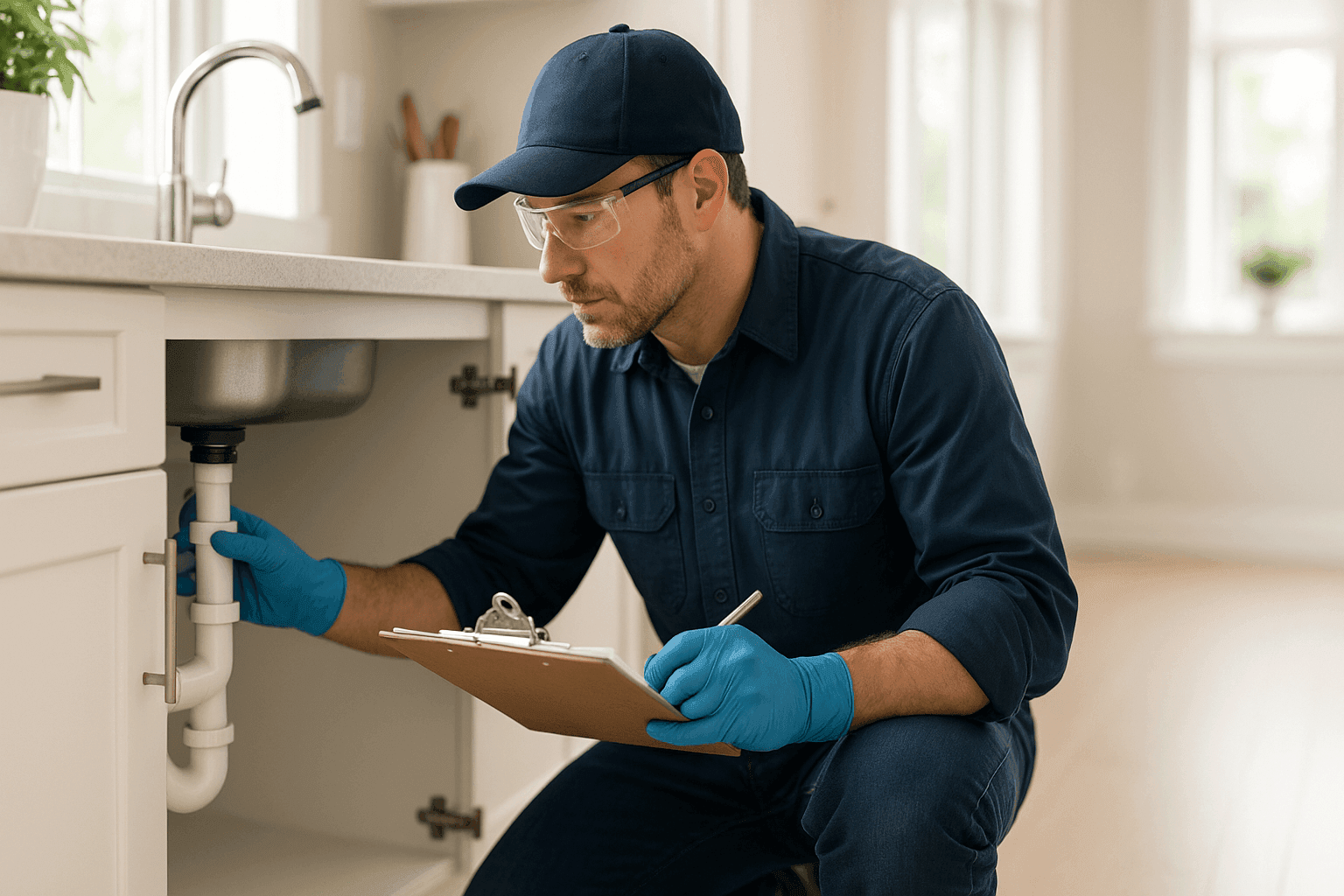
Plumbing problems don’t wait for business hours. They strike at midnight, on weekends, or right before your big dinner party. If you’ve ever mopped up a surprise leak or heard the gut-wrenching sound of water where it shouldn’t be, you know the stress—and cost—of emergency plumbing.
At Plateau Plumbing, we help homeowners turn those “Oh no!” moments into “Glad we checked that!” With a little planning, you can keep your pipes, drains, and fixtures running smoothly all year.
Why Preventative Plumbing Maintenance Matters 🛠️
A plumbing system is like the veins of your house—out of sight but always working. Ignore it, and small drips turn into big floods. Preventative maintenance isn’t just about fixing problems; it’s about catching them before they spiral out of control.
- Cost Savings: According to the Insurance Information Institute, water damage is one of the top causes of home insurance claims. Routine checks can save thousands in repairs and insurance deductibles.
- Emergencies Avoided: A burst pipe or sewer backup rarely gives warning. Regular inspections spot trouble before it turns into an emergency plumbing call at 2 a.m.
- Longer Lifespan: Well-maintained pipes, heaters, and fixtures last longer, delaying expensive replacements.
- Peace of Mind: There’s comfort in knowing your home’s hidden systems are working as they should—no surprises.
Your Year-Round Plumbing Maintenance Checklist
Every season brings new challenges for your plumbing. Think of this checklist as a map—follow it, and you’ll steer clear of most plumbing headaches.
Spring and Summer
- Check for Leaks: Inspect under sinks, around toilets, and at outdoor spigots for drips or puddles.
- Inspect Hoses: Look at washing machine, dishwasher, and ice maker hoses for bulges or cracks.
- Test Sump Pump: Pour water into your sump pit to make sure the pump kicks on.
- Clear Gutters and Downspouts: Prevent water from pooling near your foundation.
- Look for Slow Drains: Catch clogs before they cause backflow or overflow.
- Outdoor Faucets: Make sure outside taps survived winter with no leaks or cracks.
Fall Maintenance
- Drain and Store Hoses: Disconnect and store garden hoses before the first freeze.
- Insulate Exposed Pipes: Use foam sleeves on pipes in crawlspaces, garages, or against exterior walls.
- Check Water Heater: Flush sediment from the tank (if you have a traditional unit), and check for rust or leaks.
- Clear Floor Drains: Make sure they’re free of debris, especially in basements.
- Review Shut-Off Valves: Confirm you know how (and where) to shut off water in an emergency.
Winter Readiness
- Set Thermostat: Keep your home warm enough to prevent freezing pipes, even if you’re away.
- Drip Faucets (if needed): In extreme cold, a slow drip can keep pipes from freezing.
- Seal Air Leaks: Check for drafts near pipes—cold air can freeze them fast.
- Inspect Boiler or Furnace Connections: Look for signs of leaks or rust.
- Check for Ice Dams: Heavy icicles on gutters can signal poor attic insulation and risk water backup.
Quick Safety Checklist
- Know where your main water shut-off valve is.
- Never use chemicals for clogs in old pipes—they can cause more damage.
- Be cautious with DIY repairs—over-tightening or mismatched parts cause leaks.
- Install carbon monoxide detectors if you use gas appliances.
- If you smell gas, leave immediately and call for help.
DIY vs. Professional Plumbing Checks
Some tasks are safe for a handy homeowner. Others need a licensed professional.
What You Can Do
- Look for visible leaks or pooling water.
- Test faucets, toilets, and showers for drips or slow drains.
- Listen for strange noises in pipes—banging or whistling can signal trouble.
- Clear hair and debris from drain covers.
- Change water filters on schedule.
When to Call a Pro
- Hidden leaks (moldy smells, stained ceilings, unexplained puddles).
- Low water pressure throughout the house.
- Sewer odors or repeated drain backups.
- Gas line concerns or boiler issues.
- Backflow testing and prevention.
- Annual water heater inspection and flush.
A professional plumber has the tools and training to spot deeper issues—like corroded pipes, failing sump pumps, or hidden leaks—that are easy to miss.
What Pros Do On Arrival
When Plateau Plumbing shows up, we don’t just glance at your pipes. Here’s what a thorough home check includes:
- Inspect visible and hidden pipes for corrosion, leaks, or damage.
- Test water pressure and temperature consistency.
- Check all fixtures (kitchen, bathroom, laundry) for proper function.
- Examine toilets for running or leaking tanks.
- Look at water heater and boiler for sediment, rust, or leaks.
- Conduct backflow testing and ensure devices are working.
- Use advanced leak detection tools—infrared cameras, moisture meters—to find problems behind walls or under floors.
- Review sump pump and drainage systems.
- Provide a detailed report of findings, including photos and recommendations.
Prevention & Maintenance: Habits to Adopt
- Avoid pouring grease, coffee grounds, or food scraps down the kitchen drain.
- Use drain strainers in sinks and tubs.
- Run cold water when using the garbage disposal.
- Don’t flush wipes, cotton balls, or feminine products—even if they say “flushable.”
- Schedule an annual plumbing check, especially if your home is older than 20 years.
- Test shut-off valves twice a year to make sure they work smoothly.
- Listen for running toilets—a silent leak can waste thousands of gallons a year.
Costs & Time Factors: What to Expect
Plumbing maintenance isn’t free. But neglect costs far more. Here’s what you’re looking at:
- Time: A seasonal DIY walk-through takes an hour or two. Professional inspections range from 1–3 hours, depending on home size and complexity.
- Money: According to the National Association of Home Builders, a minor leak repair might cost what you’d spend on a nice dinner out. Major water damage? That’s a vacation budget, gone.
- Hidden Savings: Insurance companies may offer discounts for regular plumbing inspections or leak detection devices.
When It’s an Emergency
Some plumbing problems can’t wait. Call for emergency plumbing if you notice:
- Sudden loss of water.
- Burst pipe or gushing water.
- Sewage backup in toilets or drains.
- No hot water in winter.
- Gas smell near appliances or meters.
- Flooding around the water heater or boiler.
If water is spreading fast, shut off your main valve and call Plateau Plumbing right away.
Frequently Asked Questions
How often should I check my plumbing?
A seasonal (four times a year) walk-through catches most problems early. Schedule a professional inspection once a year, or if you notice anything unusual.
Are store-bought drain cleaners safe?
Not always. Many contain harsh chemicals that can corrode pipes, especially older ones. Mechanical cleaning (plungers, drain snakes) is safer.
What’s the difference between leak detection and leak repair?
Leak detection finds the source—often hidden behind walls or under floors. Leak repair fixes the problem and restores your pipes or fixtures.
Do I need backflow testing?
If you have an irrigation system, pool, or certain appliances, yes. Local codes (like those from the International Plumbing Code) often require annual backflow testing to protect drinking water.
Local and Seasonal Considerations 🌦️
Climate and local building codes shape your maintenance plan. In colder regions, frozen pipes are a major risk—insulate and check them before winter. In rainy areas, sump pumps and drainage systems are essential. Know your region’s plumbing challenges, and adjust your checklist accordingly.
Plateau Plumbing stays up-to-date on local code changes and safety guidelines from bodies like the Uniform Plumbing Code and the National Fire Protection Association. We use industry best practices to keep your home safe, efficient, and comfortable.
Print out this checklist. Tape it inside your utility closet or on the fridge. Make it part of your spring cleaning or fall prep. A few minutes now can save you hours—and a lot of money—later.
Need help with a stubborn leak, a tricky sewer line, or just want peace of mind? Call Plateau Plumbing now — or reach us anytime at 888-992-7122 .