Signs You Need Professional Leak Repair (and How to Spot Them)
Have you ever noticed a mysterious stain on your ceiling or a musty odor that just won’t go away? Leaks can sneak up on anyone, turning a cozy home into a stressful mess. At Plateau Plumbing, we know that leaks don’t wait for a convenient time—they strike when you least expect it.
When it comes to emergency plumbing, time is of the essence. A small drip can become a disaster overnight. Spotting leaks early is your best defense, but knowing when to call in the professionals is key.
Early Signs of Leaks: Stains, Odors, Dampness 🕵️♂️
Leaks rarely announce themselves with a waterfall. They whisper. Here’s how to listen:
- Water stains: Yellowish or brown blotches on walls, ceilings, or under sinks are like footprints left behind by a hidden leak.
- Musty smells: A persistent damp, earthy odor is often water’s calling card—especially in basements or behind cabinets.
- Warped surfaces: If your hardwood floor suddenly bows or your drywall feels spongey, water is lurking beneath.
- Peeling paint or bubbling wallpaper: Moisture gets trapped behind surfaces, causing paint and paper to lose their grip.
- Dripping or running water sounds: Sometimes you hear what you can’t see. A faint trickle behind the wall signals trouble.
- Unexplained puddles: If your bathroom or kitchen is clean but water keeps appearing, don’t ignore it.
Think of these signs as warning lights on your dashboard. Don’t wait for the engine to seize up—act fast.
Quick Safety Checklist
Before you leap into action, take a breath. Safety comes first.
- Turn off the water supply if you suspect a major leak—main shutoff valves are usually located near the perimeter of your house.
- Unplug electrical appliances in the affected area to avoid shocks.
- Avoid direct contact with standing water, especially near outlets.
- Clear the area of valuables or anything that might be damaged by water.
- Use towels or buckets to contain small leaks as a temporary measure.
If you smell gas or suspect a sewer leak, leave the area immediately and contact emergency services. Safety standards are outlined by the National Fire Protection Association (NFPA) and local building codes.
DIY Leak Checks vs. Professional Tools 🛠️
You can do a lot with a keen eye and a flashlight. But some leaks hide deep within your home’s veins.
What You Can Try
- Check visible pipes under sinks and in basements for beads of water.
- Listen for running water when all taps are turned off.
- Monitor your water meter: Note the reading, avoid using water for two hours, and check again. If the number changes, you’ve got a leak.
- Look for mold patches in corners, especially around tubs and showers.
Where Pros Go Further
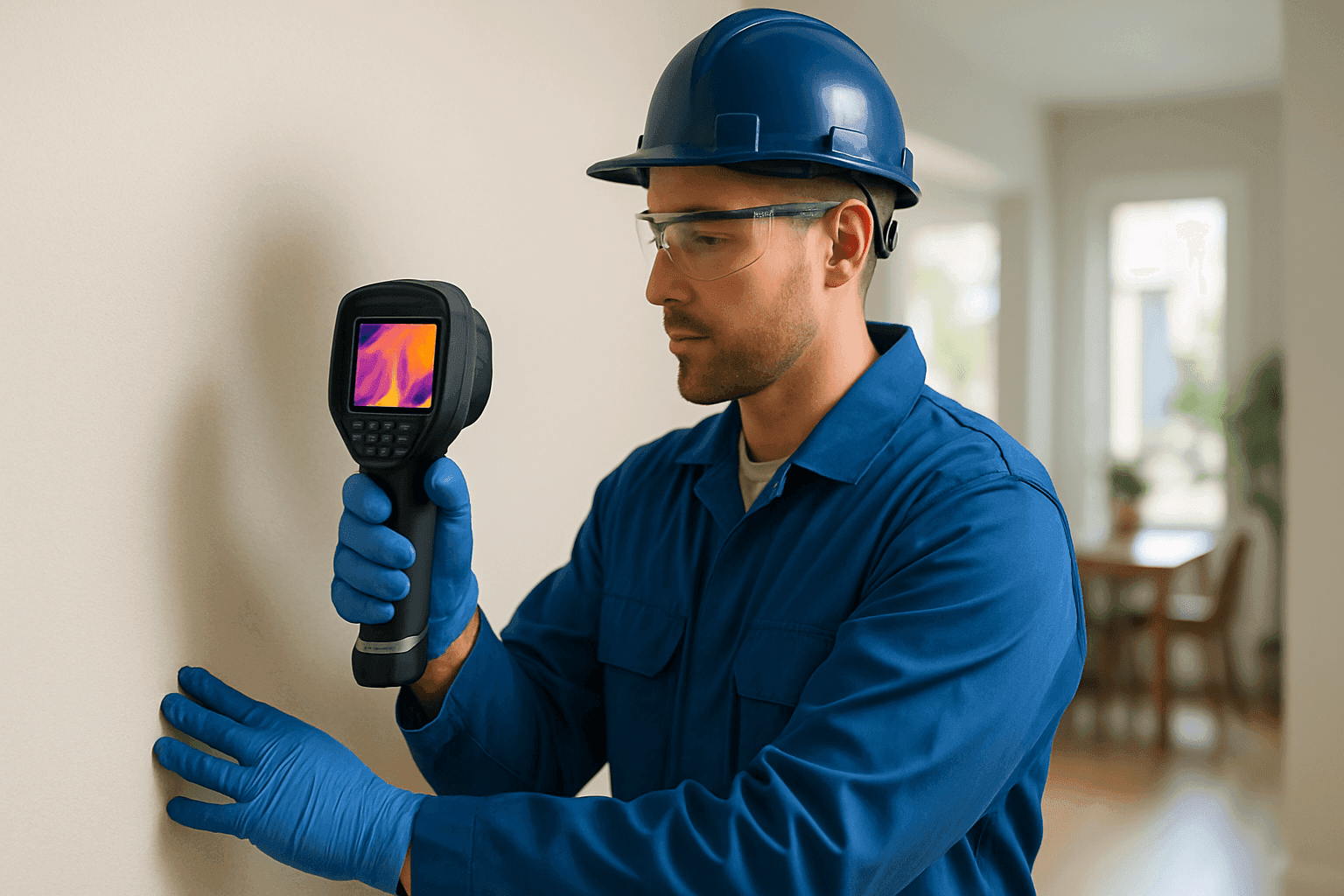
Plumbing professionals use specialized tools that see through walls and floors—thermal cameras, acoustic detectors, and moisture meters. These gadgets pick up even the faintest traces of hidden leaks. Unlike guesswork, these methods pinpoint the source without unnecessary wall or floor damage.
When a Leak Is an Emergency 🚨
Some leaks are more than an inconvenience—they’re full-blown emergencies.
- Burst pipes: Water flooding out uncontrollably? Shut off your main water valve and call for emergency plumbing now.
- Sewer line backups: If wastewater is coming up through your drains, it can quickly become a health hazard.
- Gas line leaks: If you smell rotten eggs or hear a hissing sound near your gas line, move to safety and call authorities and a licensed plumber.
- Water near electrical outlets: The risk of shock is real. Don’t touch wet switches or plugs.
These situations can cause major damage fast. Plateau Plumbing offers rapid response for emergencies—because waiting can mean the difference between a quick fix and a major renovation.
DIY Checks vs. Professional Tools
You might feel handy, but leaks can be like icebergs—what you see is only the tip.
DIY Checks
- Towel-test under sinks.
- Food coloring in the toilet tank (see if color appears in the bowl—means a leak).
- Place a dry tissue at pipe joints to spot slow drips.
Pro Tools
- Thermal imaging: Reveals temperature differences where water is present.
- Acoustic sensors: “Listen” for leaks beneath concrete or inside walls.
- Pressure testing: Finds tiny leaks invisible to the naked eye.
Professional leak detection doesn’t just find the leak—it finds the cause. That’s the difference between a temporary fix and a lasting solution.
What Pros Do On Arrival
When you call Plateau Plumbing, here’s what you can expect:
- Quick assessment: Plumbers start with a visual check and ask about recent issues.
- Advanced detection: Out come the cameras, meters, and sensors.
- Isolate the leak: Once found, the source is turned off or contained.
- Explain your options: Honest advice about repair vs. replacement.
- Document the damage: Photographs and written notes that can help with insurance claims.
We speak the language of insurance adjusters and can help you gather the evidence needed to support your claim. Our repairs meet the standards set by the Uniform Plumbing Code (UPC), so you can be confident about quality.
Prevention & Maintenance 🛡️
An ounce of prevention is worth gallons of cure.
- Schedule annual plumbing checks: Catch small leaks before they become big ones.
- Replace worn washers and hoses—especially for washing machines and dishwashers.
- Install water alarms under sinks and near water heaters.
- Insulate pipes to prevent winter freezes.
- Don’t ignore “minor” drips: Even a slow leak can waste thousands of gallons per year (EPA WaterSense).
Routine maintenance isn’t just about peace of mind—it can prolong the life of your plumbing and protect your home’s value.
Costs & Time Factors
Here’s what affects leak repair costs and how long you might wait:
- Location of the leak: Accessible leaks (like under a sink) cost less to repair than those inside walls or under slabs.
- Type of repair needed: Patching a pipe is quicker than replacing an entire section.
- Extent of damage: Waterlogged drywall or flooring means more work and higher costs.
- Emergency vs. scheduled service: Late-night calls or urgent repairs may add to the bill, but save you from bigger losses.
Most minor leaks are fixed in a couple of hours. Major ones—think slab leaks or sewer line breaks—can take a day or more, especially if walls or floors need to be restored.
When It’s an Emergency
It’s tempting to wait until morning, but some leaks just can’t wait.
- Flooding that can’t be contained
- Sewage or foul odors backing up
- Sudden drop in water pressure throughout the house
- No hot water (could indicate a water heater leak)
In these cases, emergency plumbing isn’t just convenient—it’s essential to protect your health and home.
FAQ
How do I know if a leak is serious?
If water is spreading quickly, you smell sewage or gas, or see water near electrical outlets, it’s serious. Don’t wait—turn off water and call for help.
Can leaks increase my utility bills?
Absolutely. Even a small, unseen leak can waste thousands of gallons a year, driving up your water bill.
Will insurance cover leak repairs?
Insurance policies vary. Many cover sudden, accidental water damage, but ongoing leaks or poor maintenance might not be included. Plateau Plumbing helps document the issue for your claim.
Do all leaks require opening walls?
Not always. With modern detection tools, many leaks are found and fixed with minimal disruption.
Local and Seasonal Considerations 🌨️
Winter brings frozen pipes, which can burst and leak. In the rainy season, foundation and basement leaks become more common. If you live in an older home, aging pipes are at higher risk year-round. Schedule proactive checks before the first frost, and keep an eye out after heavy storms.
Leaks don’t wait. Neither should you. Whether it’s a kitchen drip or an emergency plumbing crisis, Plateau Plumbing is ready to help—day or night.
Call Plateau Plumbing now — or reach us anytime at 888-992-7122 .