Sewer Line Inspection: When, Why, and What to Expect
When your drains gurgle or the basement smells off, it’s easy to panic. Sewer lines are buried deep—out of sight, out of mind—until there’s a mess. At Plateau Plumbing, we understand how unsettling plumbing problems can feel. That’s why we help homeowners catch sewer issues before they turn into emergencies.
Sewer line inspections aren’t just for when something goes wrong. They're the flashlight in the dark tunnel—shedding light on hidden trouble and helping you avoid unexpected disasters.
Why Inspect Your Sewer Line? 🕵️
Most folks don’t think about their sewer lines until sewage backs up or the shower water stops draining. But inspections aren’t just for when disaster strikes. Here’s when you should consider them:
- Buying or Selling a Home: Sewer repairs can cost thousands. A quick inspection gives peace of mind before closing.
- Frequent Clogs: If you find yourself reaching for the plunger more than once a month, something deeper could be brewing.
- Mature Trees Nearby: Roots love sewer lines. They sneak in through tiny cracks and grow into unyielding blockages.
- Old Pipes: If your home is more than 30 years old, your pipes might be made of materials that corrode or crack.
- Unexplained Odors: Persistent sewer smells indoors or outside often signal a hidden leak.
Think of a sewer inspection as your home’s annual checkup. It’s a small effort now that can prevent a major emergency plumbing call later.
How Sewer Line Inspections Work: The Camera Tells All 🎥
Forget digging up half your yard. Today’s inspections rely on technology—specifically, high-definition cameras.
The Process, Step-by-Step
- Access Point: The plumber finds a cleanout or creates an access point.
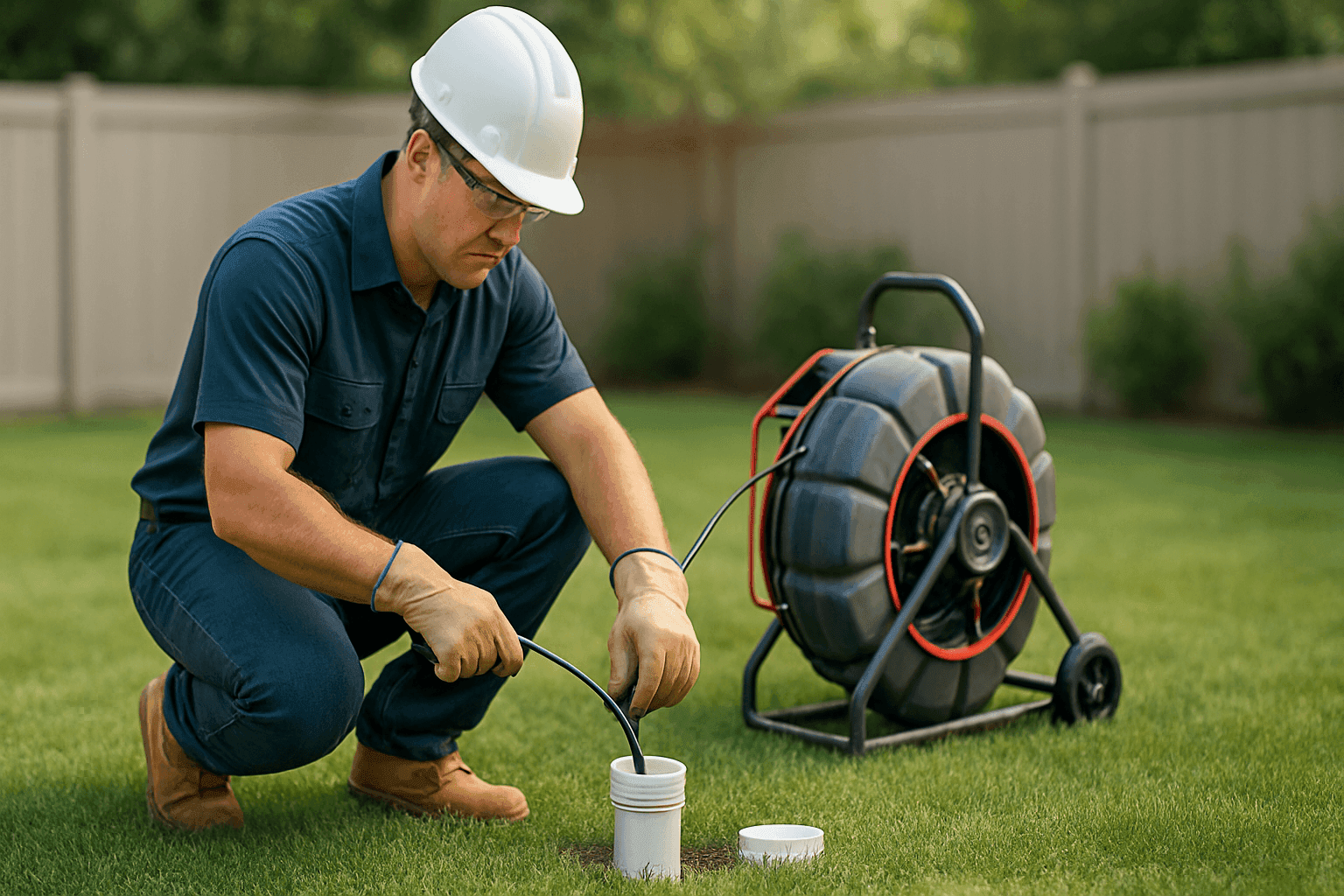
- Camera Insertion: A waterproof camera, attached to a flexible cable, is slowly fed through the line.
- Real-Time Footage: The camera sends live video to a monitor, letting the plumber see every inch of your pipe.
- Diagnosis: Any blockages, cracks, or root invasions are captured instantly. The plumber can pause, take snapshots, and even measure depth.
- Review: Once the inspection is done, you’re shown the video and photos. It’s like seeing an X-ray of your home’s arteries.
No guesswork. No unnecessary digging. Just clear evidence and a plan.
What Problems Can Sewer Inspections Reveal?
A camera inspection doesn’t just spot clogs. It uncovers the whole story:
- Pipe Breaks and Cracks: Older lines—especially clay or cast iron—may have fractures letting soil or roots inside.
- Root Intrusion: Tree roots often invade joints, causing slow drains and eventual blockages.
- Grease and Debris Buildup: Years of cooking grease, wipes, and hair can narrow your pipes like cholesterol in arteries.
- Corrosion: Metal pipes rust over time, leading to leaks or collapse.
- Bellies or Sags: Sections of pipe can settle, creating “valleys” where waste collects and clogs form.
- Misaligned Joints: Earth movement or poor installation can cause pipes to pull apart.
Knowing what’s lurking underground helps you plan repairs before you’re ankle-deep in a mess.
Costs and Timelines: What to Expect
Inspections are surprisingly quick—often an hour or less. And while prices vary by region and pipe length, here’s what usually affects cost:
- Access Difficulty: Hard-to-reach cleanouts or buried lines may take longer.
- Pipe Length: Larger homes mean longer inspections.
- Findings: If a blockage is discovered, additional work may be recommended.
Most homeowners find the inspection fee is a fraction of what major repairs or emergency plumbing visits cost. The peace of mind? Priceless.
Safety Checklist: Before and After Inspection
Keep your family—and your home—safe:
- Know Where Your Main Shutoff Is: In case of sudden leaks, you’ll need to turn off the water fast.
- Clear Access Points: Move any items blocking cleanouts or basement hatches.
- Ask About Video Copies: Some plumbers provide inspection footage, handy for records or real estate deals.
- Follow Local Plumbing Codes: The International Plumbing Code (IPC) and Uniform Plumbing Code (UPC) set standards for pipe materials and installation.
What to Expect When You Call a Pro
Calling Plateau Plumbing means working with licensed and insured plumbers who use the latest tools. Here’s how a typical visit goes:
- Prompt Arrival: We respect your time and your home.
- Clear Communication: We’ll explain what we’re doing and why, in plain language.
- Thorough Inspection: Our equipment is cleaned and disinfected between jobs.
- No Pressure: You get clear findings and recommendations—no upsells, no scare tactics.
- Respect for Your Home: We wear protective gear and clean up before leaving.
Every job is supervised by a certified plumber. Our team keeps up with the latest training and local code updates.
What Real Customers Say
- “Plateau Plumbing caught a root problem before it damaged our foundation. Saved us thousands.”
- “They showed us the camera footage and explained everything. No surprises.”
- “Prompt, respectful, and thorough. We won’t call anyone else.”
Sewer Inspections Prevent Emergencies—and Save Money
A clogged or broken sewer line can flood your basement, damage floors, and cause health hazards. Emergency plumbing calls are stressful and expensive. Regular inspections give you time to act—repairing small problems before they become big ones.
Think of it this way: skipping a sewer inspection is like driving with your check engine light on. You might get lucky… or end up stranded.
DIY vs. Call a Pro: Know Your Limits
Some homeowners try to diagnose plumbing issues themselves. While it’s fine to use a plunger or remove minor clogs, sewer line inspections require specialized gear and training.
- Camera Equipment: Professional-grade cameras are expensive and delicate.
- Interpretation: Even if you rent a camera, reading the footage isn’t always simple.
- Safety: Sewage exposure can cause illness. Leave it to those with proper protective gear.
When in doubt, call for help. Your health—and your home—are worth it.
Prevention & Maintenance Tips
Keep your pipes happy with these simple habits:
- Avoid Flushing Wipes: Even “flushable” wipes can snag and create blockages.
- No Grease Down the Drain: Collect cooking grease in a can, not the sink.
- Plant Trees Wisely: Keep new plantings away from sewer lines.
- Annual Checkups: Just like annual physicals, regular inspections catch problems early.
- Install Backflow Prevention: Especially in flood-prone areas.
The Environmental Protection Agency (EPA) offers guidance on protecting your home’s water supply and preventing sewer backups.
Costs & Time Factors
- Inspection Duration: Most last 45–90 minutes, depending on house size and access.
- Price Range: Varies by local labor rates and pipe length. Most inspections are affordable compared to repair costs.
- Follow-up Work: If issues are found, expect an honest discussion about next steps—without pressure.
Remember, a quick inspection can prevent a costly emergency plumbing situation. No one wants a midnight flood.
When It’s an Emergency
Certain signs mean you shouldn’t wait:
- Sewage Backing Up: Wastewater in tubs, toilets, or sinks signals a complete blockage.
- Sudden Wet Spots: Puddles or soggy patches in your yard can mean a broken line.
- Strong Odors: A persistent sewer smell indoors is a warning to call right away.
If you notice these, act fast. Delaying could lead to property damage or health risks.
FAQ: Sewer Line Inspections
How often should I get my sewer line inspected?
For most homes, every 1–2 years is plenty—sooner if you’ve had issues or live in an older house.
Can I get a copy of the video?
Yes, many plumbers provide digital copies. It’s especially helpful for real estate deals.
What if roots are found?
There are non-invasive ways to clear them—hydro jetting, specialized root cutters, or pipe lining.
Is a sewer inspection disruptive?
No major digging is required. Most work is done through existing cleanouts.
Local & Seasonal Considerations
In cold climates, pipes can freeze and crack in winter. Heavy rains or rapid snowmelt can overwhelm older systems. If you live in an area with seasonal storms or high water tables, annual inspections are especially wise.
If you’re searching for “Kitchen Plumbing near you,” remember that sewer line maintenance supports every drain in your house—not just the kitchen or bathroom. It’s the backbone of your plumbing system.
Regular sewer line inspections are a simple step that saves money, headaches, and time. Don’t wait for trouble—let Plateau Plumbing keep your home safe, dry, and worry-free.
Call Plateau Plumbing now — or reach us anytime at 888-992-7122 .