Sump Pump Repair and Maintenance: Protecting Your Basement
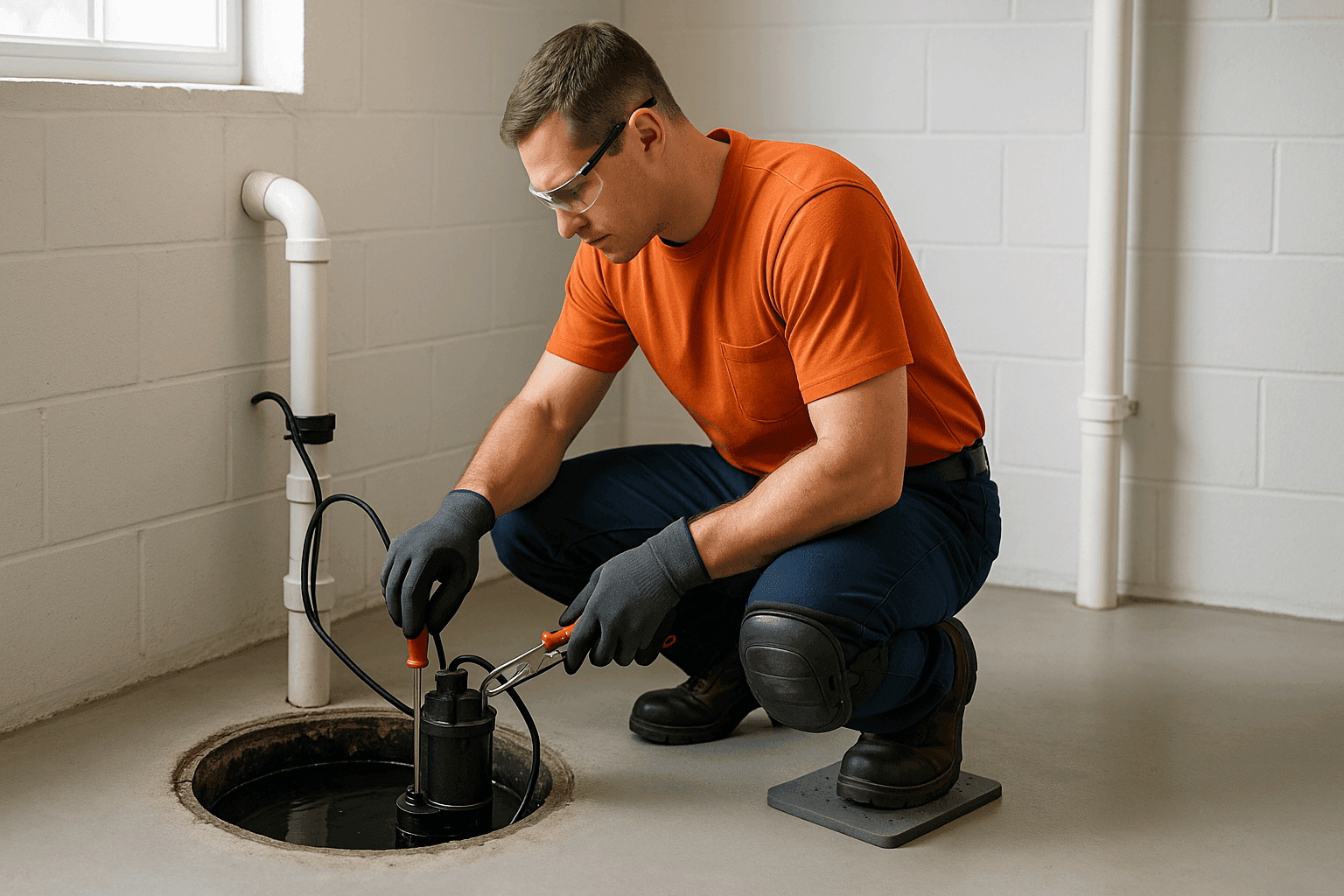
Basement water is the kind of surprise nobody wants. One storm, one broken pipe, and your safe haven turns into a shallow indoor lake. At Plateau Plumbing, we know how quickly a dry basement can become a disaster zone. Every minute matters when water is rising.
If your sump pump fails, you’re staring down soaked boxes, ruined floors, and costly repairs. That’s why we’re here—to help you understand sump pump problems, avoid them, and know exactly when to bring in emergency plumbing help.
Why Sump Pumps Fail (And How It Happens) ⚡
Sump pumps are the unsung heroes under your feet. But like any hard-working machine, they can trip up. Here’s why:
- Age: Most pumps last 7–10 years. After that, wear and tear catch up.
- Clogs: Dirt, gravel, or debris can block the intake or discharge pipe—like a traffic jam for water.
- Power Loss: Storms knock out power, and your pump stops cold unless there’s a battery backup.
- Float Switch Problems: If the switch that turns the pump on and off gets stuck, nothing happens—even as water rises.
- Improper Installation: A poorly installed pump can lean, jam, or fail to keep up during heavy rain.
Imagine a lifeguard who falls asleep on the job. That’s your sump pump, if one of these issues creeps up unnoticed.
Quick Safety Checklist: Keep Your Basement Dry
Want to dodge the worst-case scenario? Skim through this checklist every season:
- Inspect the sump pit for debris or mud.
- Test the pump by pouring a bucket of water in—watch if it switches on and off smoothly.
- Check the float switch for free movement.
- Confirm the power cord is plugged in and dry.
- Examine the discharge pipe outside—make sure water flows away from your foundation.
- If you have a battery backup, test it monthly.
- Listen for strange noises—grinding, rattling, or silence when there shouldn’t be.
Keep this list handy. A few minutes now can save you a world of trouble later.
DIY Maintenance: What You Can Do (and What to Skip)
Some sump pump care is totally doable for most homeowners. Here’s your roadmap:
Testing the Pump
- Pour a few gallons of water into the pit. If the pump kicks on and drains the water, you’re golden.
- If nothing happens, check the power source and reset the outlet.
Cleaning Out Debris
- Unplug the pump before you touch anything.
- Remove the pump if you’re comfortable. Wipe off any gunk from the intake screen.
- Scoop out mud or rocks from the pit.
Checking the Float Switch
- Make sure it moves up and down easily. If it sticks or catches, adjust it gently.
Skip electrical work or deep repairs. If you notice exposed wires, corrosion, or broken parts, it’s time to call for professional help.
Warning Signs and Quick Fixes
Don’t ignore these red flags:
- Pump runs but doesn’t move water: Check for clogs in the discharge line. Clear them if you can do so safely.
- Pump won’t start: Confirm it’s plugged in. Try a different outlet.
- Weird noises: Grinding or squealing means the motor or impeller could be worn out.
- Frequent cycling: If it keeps switching on and off, the float switch could be misaligned or faulty.
A quick fix might get things moving, but if the problem keeps coming back, don’t wait. Delays can mean damage.
DIY vs. Call a Pro: When to Ask for Emergency Plumbing
You can handle routine checks, cleaning, and testing. But call Plateau Plumbing if:
- The pump won’t run after basic troubleshooting.
- You see sparks, smell burning, or find water near electrical parts.
- Flooding is happening right now.
- The discharge line is frozen or broken.
- You need a backup pump installed quickly.
Sometimes it’s like changing a tire. Other times, you need a tow truck. When water is at stake, don’t gamble. Emergency plumbing services are here for exactly these moments.
What Pros Do On Arrival
A licensed plumber from Plateau Plumbing brings more than a wrench.
- Full inspection of the pump, pit, and drainage system.
- Test the electrical supply and float switch.
- Clear blockages from pipes and check the discharge route.
- Assess for hidden leaks or foundation issues.
- Recommend or install emergency backup pumps if needed.
- Follow local safety codes and manufacturer guidelines.
We handle everything from kitchen plumbing near you to sump pump emergencies—always with your safety in mind.
Prevention & Maintenance: Building a Dry Basement Routine
A dry basement isn’t luck—it’s preparation. Here’s how to keep water at bay, year after year:
- Schedule annual sump pump checks with a professional.
- Clean the pit and intake screen every spring and fall.
- Test battery backups before major storms.
- Redirect gutters and downspouts away from your foundation.
- Keep records of pump age and service dates.
- Know where your main water shutoff valve is.
According to the International Association of Certified Home Inspectors, most sump pumps need inspection and maintenance at least once a year to stay reliable.
Costs & Time Factors: What to Expect
Sump pump repair and maintenance costs vary, depending on:
- The age and type of your pump.
- Whether you need a simple cleaning or a full replacement.
- Emergency plumbing calls after hours or during severe weather.
Most routine service visits take under an hour. Complex repairs or complete replacements can run longer. While costs can differ, regular maintenance is always cheaper than repairing flood damage.
When It’s an Emergency
If water is rising faster than you can mop—or your pump fails during a storm—it’s an emergency. Call Plateau Plumbing right away if:
- Flooding threatens to reach electrical outlets.
- You smell gas or see sparks (shut off power and get to safety).
- The water won’t stop, and your pump is silent.
We respond fast, bring backup pumps, and get your basement back on dry ground.
FAQ: Sump Pump Basics
How do I know if my sump pump is failing?
Listen for odd noises, check for water in the pit, and watch for frequent cycling or failure to start.
How often should I test my sump pump?
At least once every three months—more often during rainy seasons.
Does my insurance cover sump pump failure?
Check your policy. Some plans require a rider for water backup or basement flooding.
My pump is running non-stop. Is this bad?
Yes—it could overheat or wear out early. Inspect the float switch and discharge line, and call for help if it keeps happening.
Local & Seasonal Considerations
Heavy spring rains. Sudden summer storms. Winter thaws. All can push your sump pump to the limit. In our region, basement floods are most common during rapid snowmelt or after long dry spells followed by heavy rain. Stay one step ahead with regular maintenance—especially before storm season.
Basement water isn’t just an inconvenience—it can threaten your home’s structure and your peace of mind. Whether it’s routine maintenance or an emergency plumbing call, Plateau Plumbing is here to keep your basement dry and safe.
Call Plateau Plumbing now — or reach us anytime at 888-992-7122 .