Water Filtration Systems: Choosing the Best Option for Your Home
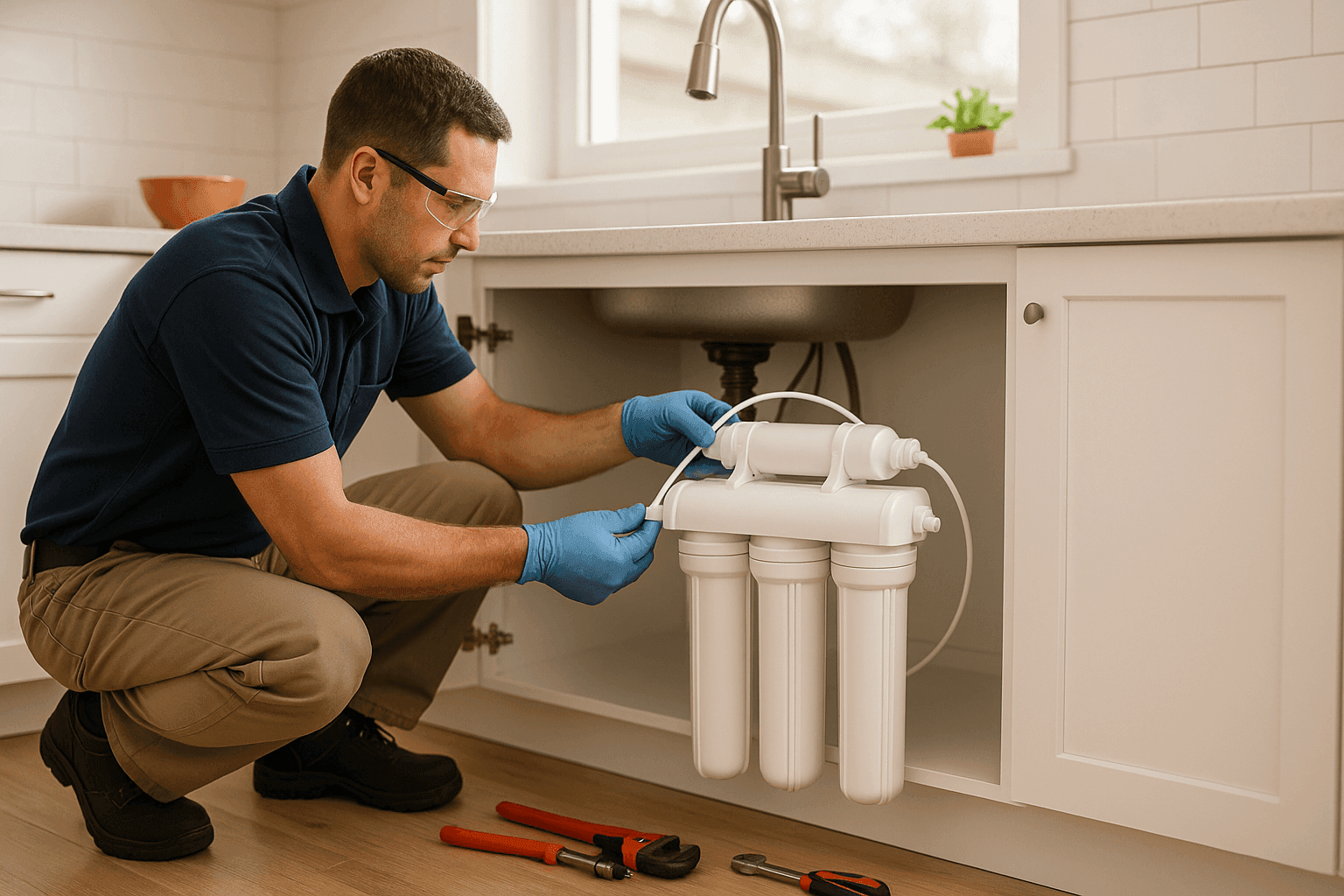
Picture this: You turn on your kitchen tap, expecting a glass of fresh, clean water. Instead, you spot cloudy swirls, catch a whiff of chlorine, or taste something metallic. You’re not alone. Many homeowners wonder if their water is truly safe—or if their pipes are hiding more than just a slow leak.
At Plateau Plumbing, we see firsthand how water quality concerns can disrupt daily life. From emergency plumbing calls about strange odors to parents worried about their family’s health, we know clean water is non-negotiable. Let’s get to the heart of water filtration—so you can pour a glass with real peace of mind.
Why Filter Your Water? 🥤
Most tap water meets basic safety standards, but "safe" doesn’t always mean "tasty" or "ideal for appliances." Here’s why homeowners invest in water filtration:
- Health: Filters can remove contaminants like lead, bacteria, pesticides, and microplastics. The U.S. Environmental Protection Agency (EPA) sets limits on these, but local pipes and water sources sometimes let things slip through.
- Taste & Smell: Chlorine, sulfur, or even harmless minerals can give water a sharp taste or odd odor. A filter can turn that “pool water” tang into pure refreshment.
- Protect Appliances: Hard water leaves mineral deposits inside dishwashers, washing machines, and pipes. Over time, this build-up can wear out appliances and clog valves, leading to costly repairs.
- Peace of Mind: For families, seniors, or anyone with health concerns, knowing what’s in your water matters.
Think of filtration as an umbrella for your entire plumbing system. It shields you from the invisible—and sometimes not-so-invisible—surprises lurking in your pipes.
Types of Water Filtration
Not all water filters work the same way. Each has its own strengths, quirks, and best uses. Let’s break down the main types you’ll see in homes:
Carbon Filters
Like coffee grounds in a French press, carbon filters absorb unwanted flavors and chemicals.
- How it Works: Water passes through activated carbon, which traps chlorine, some pesticides, and organic compounds.
- Best For: Improving taste and smell. Great for kitchen plumbing or under-sink units.
- Limitations: Doesn’t remove minerals, salts, or all bacteria.
Reverse Osmosis (RO)
Think of RO as a super-fine sieve. It pushes water through a membrane so only tiny molecules make it through.
- How it Works: Multiple stages—sediment filter, carbon, then RO membrane.
- Best For: Removing dissolved solids, heavy metals, some bacteria and viruses.
- Limitations: Uses more water, may need a storage tank, and removes some healthy minerals too.
Ultraviolet (UV) Purifiers
Picture a sunbeam zapping germs in a flash.
- How it Works: UV light destroys bacteria, viruses, and parasites by damaging their DNA.
- Best For: Homes with private wells or known bacterial contamination.
- Limitations: Doesn’t remove chemicals or sediments—often paired with other filters.
Other Options
- Ceramic Filters: Trap bacteria and sediments.
- Water Softeners: Remove calcium and magnesium to prevent hard water scale, but not actual contaminants.
- Whole-House vs. Point-of-Use: Whole-house (at the main line) protects all plumbing. Point-of-use (like a kitchen faucet) targets just one tap.
How to Choose the Right System
Choosing a water filter isn’t one-size-fits-all. It’s like picking shoes—fit depends on your needs, environment, and budget.
Step 1: Test Your Water
- City Water Users: Request a water quality report from your supplier or check the EPA’s Consumer Confidence Reports.
- Well Water Owners: Get a lab test (see guidance from the Centers for Disease Control and Prevention) for bacteria, nitrates, lead, and other local risks.
- At-Home Kits: Good for quick checks, but lab testing is more reliable.
Step 2: Identify Contaminants
- Common Concerns: Lead, chlorine, iron, sediment, bacteria, hardness.
- Match Filter to Threat: For lead—choose a certified filter. For bacteria—consider UV.
Step 3: Set Your Budget
- Initial Cost: Countertop filters run under $100. Whole-house or reverse osmosis systems can reach $1,000–$3,000+ including installation.
- Ongoing Maintenance: Factor in filter cartridges and annual servicing.
Step 4: Consider Your Plumbing
- Space: Under-sink units need cabinet room. Whole-house systems need space near your main water line.
- Water Pressure: Some systems (like RO) can lower pressure; check your home’s specs.
Step 5: Check Certifications
- Look for NSF/ANSI Standard labels—these are third-party verified for removal claims.
Installation & Maintenance Tips 🛠️
Setting up a water filtration system is not just plug-and-play. It’s about fitting the right puzzle piece into your home’s unique plumbing.
Professional Installation
- Why it Matters: A poor install can mean leaks, wasted filters, or even damage to your pipes.
- Local Codes: Plumbing codes (like the Uniform Plumbing Code or International Plumbing Code) regulate how filtration systems connect to your water supply.
- Backflow Prevention: Prevents contaminated water from flowing backwards into your clean supply—critical for safety.
- Certified Installers: Choose a plumber who knows water filtration, local water conditions, and follows all safety codes.
DIY Caution
- Swapping a faucet filter is one thing. Cutting into main water lines or installing a whole-house unit is another.
- Improper installation can lead to leaks, water damage, or voided warranties.
- Always shut off water, follow manufacturer instructions, and check for leaks before finishing.
Maintenance Musts
- Change Filters: Follow manufacturer timelines—usually every 3 to 12 months.
- Clean Housings: Rinse out filter housings to prevent mold or bacterial build-up.
- Check for Leaks: After every filter change, inspect connections for drips.
- Annual Service: Consider a pro check-up, especially for complex or whole-house units.
Trust Matters: Certified Installers & Warranties
A water filter is only as good as its installation and upkeep. Here’s what responsible homeowners should look for:
- Licensed Plumbers: Choose certified professionals, not just handymen.
- Manufacturer Warranties: Always register your system and keep proof of professional installation (many warranties require it).
- Local Water Know-How: Plumbers familiar with regional water challenges—like iron-rich well water or old city pipes—offer the best advice.
- Backflow Testing: Schedule regular checks to ensure your system is protecting your home and community supply.
Practical Tips for Homeowners
- Label Your Calendar: Mark filter change dates.
- Keep Spare Filters On Hand: Especially important for emergencies or supply chain delays.
- Know Your Shut-Off Valves: In case of leaks or emergencies, you should know how to stop the water fast.
- Check Water Pressure: Sudden drops may signal a clogged filter or plumbing issue—don’t ignore it.
- Test Often: Water quality can change seasonally, especially after heavy rain, drought, or utility work.
Frequently Asked Questions
Do water filters remove lead?
Most standard carbon filters don’t remove lead. Look for NSF/ANSI Standard 53 certified filters that are specifically designed for lead removal. Always check your system’s certification.
How do I know if my water is safe?
Request a water quality report from your supplier or get a certified lab test, especially if you have a private well or older pipes. At-home test kits can help but aren’t as thorough.
How often should I change filters?
This depends on your system and water use. Most filters last 3–12 months. Always follow the manufacturer’s guidelines, and don’t stretch it—old filters can harbor bacteria.
Can I install a water filter myself?
Point-of-use filters are often DIY-friendly. Whole-house or reverse osmosis systems are best left to pros, both for safety and to comply with plumbing codes.
Local and Seasonal Water Considerations 🌦️
Water quality isn’t static. It shifts with weather, infrastructure projects, and even the season.
- Spring Thaw: Melting snow can increase sediment and agricultural runoff in wells.
- Heavy Rain: Storms may stir up municipal water, leading to cloudiness or odor.
- Drought: Lower water tables can change mineral content or concentrate contaminants.
- Aging Infrastructure: Older neighborhoods may experience lead leaching or rusty water after main breaks.
A local plumber who knows the area’s quirks can guide you to the right solution—whether for kitchen plumbing near you or emergency plumbing needs in the middle of the night.
Ready for Clean, Safe Water?
Don’t let doubts about your water linger a day longer. Whether you need a quick filter change, a full home system, or emergency plumbing advice, Plateau Plumbing has the experience, tools, and certified installers to help you breathe easy. Clean, safe water is a call away.
Call Plateau Plumbing now — or reach us anytime at 888-992-7122 .