Water Heater Repair vs. Replacement: How to Decide
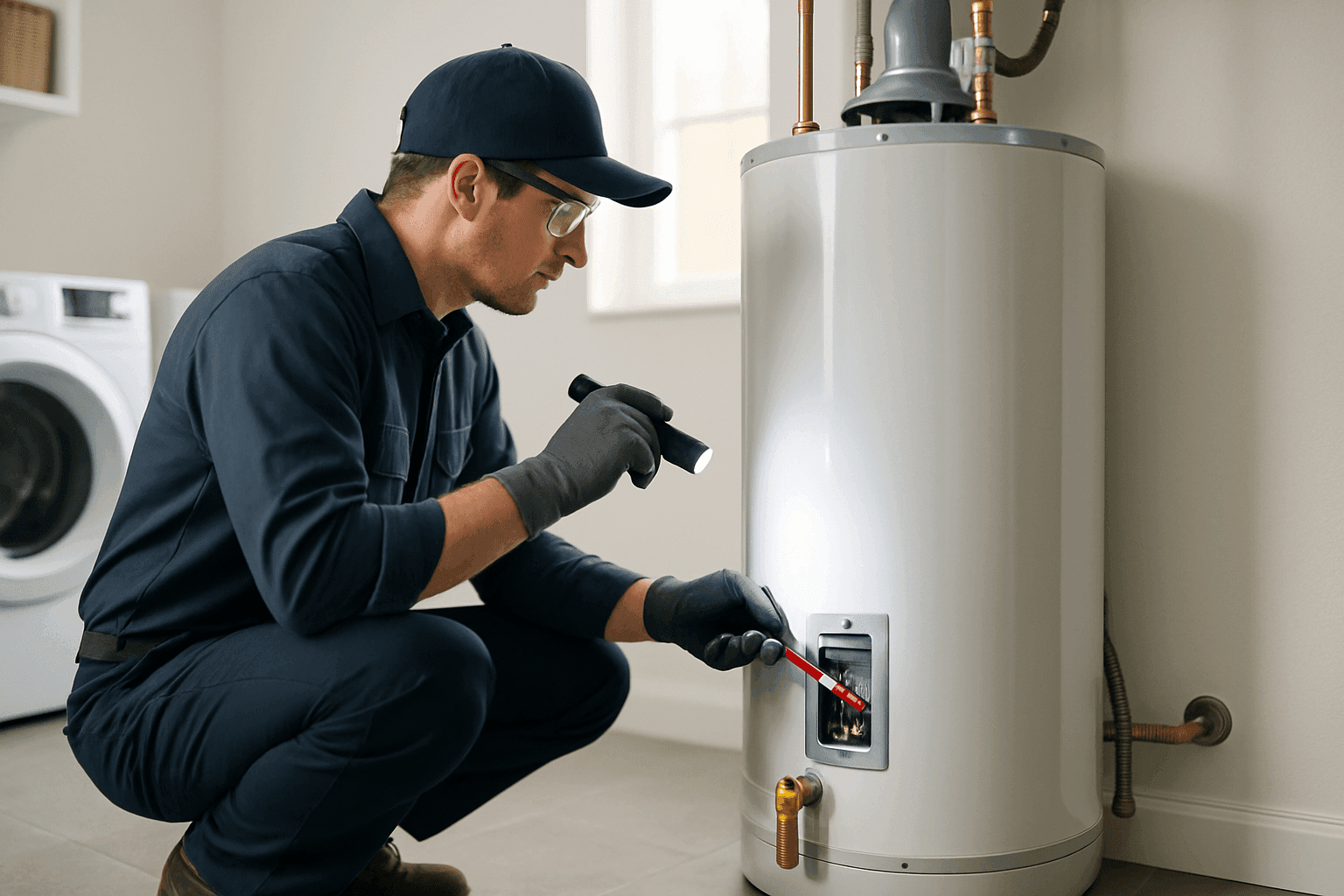
Is your hot shower starting to feel more like a cold splash? Maybe there’s a puddle under your heater, or a strange banging echoing through the pipes. Water heater issues have a way of showing up at the worst possible moment—late at night, right before company arrives, or after a long day. If you’re staring at your water heater and wondering whether it’s time for a quick fix or a full replacement, you’re not alone.
At Plateau Plumbing, we’ve helped countless homeowners make the right call—whether it’s a simple repair, a new installation, or urgent emergency plumbing. Here’s a clear, practical guide to help you decide what’s best for your home, your budget, and your peace of mind.
Common Water Heater Problems 🔧
The first step? Know what you’re dealing with. Most water heater trouble falls into a few clear categories:
- No Hot Water: The most obvious (and frustrating) sign. Could be a failed heating element, thermostat, or even a tripped breaker.
- Leaks: Water pooling around the tank is never good. It might be a worn valve or a rusted tank.
- Strange Noises: Clanging, popping, or rumbling suggest sediment buildup or failing parts.
- Inconsistent Temperature: If your water swings from scalding to ice-cold, your heater’s controls might be malfunctioning.
- Discolored or Smelly Water: Rusty or foul-smelling water can signal corrosion inside the tank.
Think of your water heater like a car—small noises or leaks can be early warning signs before a bigger breakdown.
When to Repair vs. Replace
Not every problem means you need a new heater. Here’s how to weigh your options:
Signs a Repair Makes Sense
- Age: Most water heaters last 8–12 years (per the U.S. Department of Energy). If yours is under 8 and this is its first hiccup, a repair is often the smart move.
- Efficiency: If your model is relatively new and efficient, fixing a part can restore years of service.
- Cost of Repair: If the repair bill is less than half the price of a new unit, it typically makes sense to fix it.
When Replacement is the Better Call
- Frequent Breakdowns: If you’re calling for repairs every few months, it’s time to stop pouring money into a sinking ship.
- Age Over 10 Years: Older heaters lose efficiency and can become safety hazards, especially if corrosion is present.
- Major Leaks or Rust: A rusted tank can’t be fixed safely. Replacement is the only real option.
- High Energy Bills: Older heaters can drive up your utility costs. A new, efficient model can pay for itself over time.
Imagine your water heater as a loyal old dog—there’s a point where it’s kinder (and smarter) to retire it instead of patching it up again and again.
Cost Comparison: Repair vs. Replacement
Money matters. Here’s what you should consider:
- Repair Costs: Fixing a leaking valve or replacing a thermostat is usually much less expensive than a full replacement. Most repairs can be done quickly, getting your hot water back the same day.
- Replacement Costs: New water heaters, especially models that meet modern efficiency standards, cost more upfront. But they come with better warranties and lower running costs.
- Hidden Savings: Newer heaters often qualify for local rebates or incentives (check ENERGY STAR and your local utility). Higher efficiency means lower monthly bills.
- Long-Term Value: If your tank is old, the cost to repair now plus another repair in a year or two often exceeds the price of a new system.
Think of it like shoes: sometimes it’s worth resoling your favorite pair, but if they’re worn through and uncomfortable, it’s time for new ones.
Energy Savings and Rebates 💡
Modern water heaters aren’t just about hot water—they’re about efficiency. According to ENERGY STAR, upgrading to a high-efficiency model can save you hundreds each year. And many local utilities offer rebates for choosing efficient models or switching to tankless systems.
- Better Insulation: New tanks lose less heat, keeping water hot with less work.
- Smarter Controls: Digital thermostats and timers save energy.
- Gas vs. Electric: Each has pros and cons; the right choice depends on your home and needs.
Check with your local utility or the U.S. Department of Energy for current rebates and recommendations. Don’t forget: installation must meet local code and safety requirements.
Quick Safety Checklist
Before you do anything:
- Turn Off Power: Always shut off electricity (at the breaker) or gas (at the shut-off valve) before inspecting your heater.
- Look for Leaks: Water around the base? Unplug and call a pro.
- Smell Gas? Leave the house and call your gas provider immediately.
- Check the Temperature Setting: It should be at or below 120°F (per CDC recommendations).
- Inspect the Pressure Relief Valve: If it’s leaking or stuck, don’t ignore it.
Water heaters mix electricity, gas, and water—a risky trio. When in doubt, call for professional emergency plumbing help.
DIY vs. Call a Pro
Some fixes are safe for handy homeowners. Others need a trained eye.
- Safe DIY: Resetting the breaker, adjusting the thermostat, flushing minor sediment.
- Call a Pro For: Leak repair, gas line issues, strange noises, or anything involving wiring or soldering.
Attempting repairs beyond your comfort zone can lead to costly or dangerous mistakes. For things like Kitchen Plumbing near you or gas safety checks, trust licensed technicians who know the local codes.
What Pros Do On Arrival
When a Plateau Plumbing technician arrives, here’s what to expect:
- Inspection: We’ll check the tank, valves, and connections—inside and out.
- Testing: Multimeter checks for electrical faults, pressure testing for leaks.
- Code Compliance: All work follows local building and safety codes.
- Parts & Labor: We use manufacturer-approved parts and always explain your options.
- Transparent Communication: You’ll know exactly what’s wrong, what it’ll take to fix, and what to expect moving forward.
Our factory-trained plumbers keep up with the latest technology and code updates, so you don’t have to worry about surprises.
Prevention & Maintenance
A little maintenance goes a long way. Here’s how to keep your water heater running smoothly:
- Annual Flushing: Sediment buildup shortens lifespan and kills efficiency.
- Check the Anode Rod: Replace if it’s worn—this rod prevents tank corrosion.
- Test the Relief Valve: Keeps pressure in check and prevents dangerous bursts.
- Insulate Pipes: Reduces heat loss and prevents winter freezes.
- Regular Inspections: Spotting small leaks early can save big headaches later.
The Plumbing-Heating-Cooling Contractors Association recommends yearly professional inspections for peace of mind.
Costs & Time Factors
- Repairs: Most fixes take 1–2 hours. Emergency plumbing calls may be done same-day.
- Replacement: Full installation can take half a day, especially if upgrading to a bigger or more efficient unit.
- Budget Range: Simple repairs are affordable; full replacements are a bigger investment, but factor in energy savings and fewer future repairs.
Always budget for possible code upgrades or unexpected issues—older homes sometimes need new venting, gas lines, or electrical work to meet today’s standards.
When It’s an Emergency 🚨
Some water heater issues can’t wait:
- Major Leaks: Water pouring out? Shut off your supply and call emergency plumbing immediately.
- No Hot Water (in Winter): For families with small children or elderly residents, lack of hot water is a health risk.
- Gas Smell or Soot: These are signs of dangerous leaks or carbon monoxide risks. Leave and call for help.
If your basement is flooding or you smell gas, don’t hesitate. Fast action prevents bigger damage.
FAQ: Water Heater Repair vs. Replacement
Q: How long should my water heater last?
Most last 8–12 years, depending on maintenance and water quality.
Q: Can I replace just the parts that failed?
Sometimes. But if your tank is rusted or leaking, the whole unit must go.
Q: Will a new water heater really save me money?
Yes. Modern models are far more efficient and often qualify for energy rebates.
Q: Do I need a permit for replacement?
Usually, yes. Work must follow local plumbing codes for safety and insurance reasons.
Local & Seasonal Considerations
- Cold Climates: Winter puts extra stress on heaters and pipes. Insulation and regular checks are vital.
- Hard Water: Regions with mineral-rich water see more sediment buildup—flush your tank more often.
- Local Codes: Every city has its own plumbing rules. Our technicians know what’s required for safe, legal installation and repair.
When to Call Plateau Plumbing
If you’re facing water heater trouble—whether it’s a quick fix or a full replacement—Plateau Plumbing is here to help. We’re available for emergency plumbing around the clock, and our team is always up-to-date on the latest safety codes, efficiency trends, and manufacturer recommendations.
Call Plateau Plumbing now — or reach us anytime at 888-992-7122 .