Water Pressure Problems? Causes & Fixes for Homes
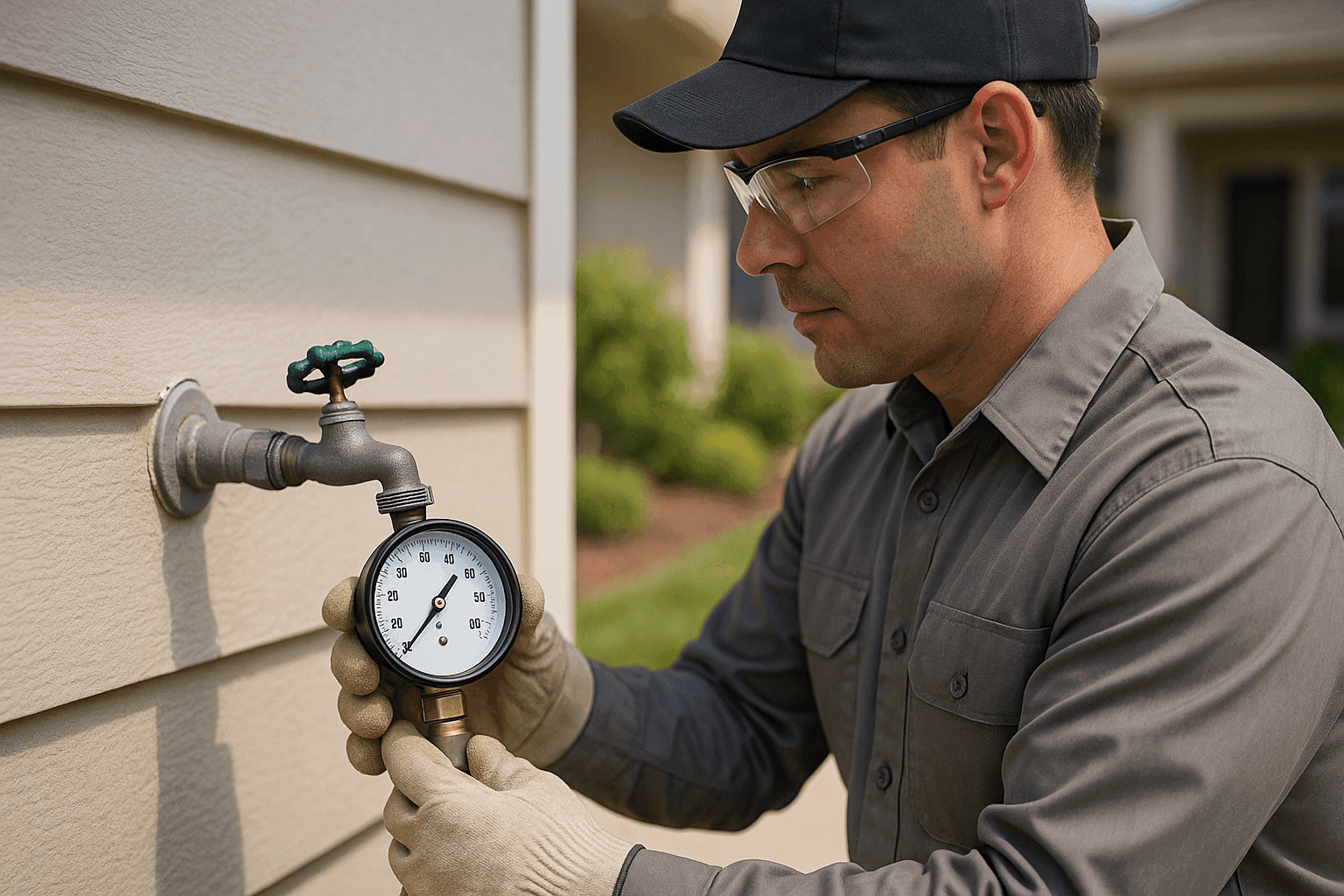
If you’ve ever tried to rinse off under a trickle-shower, you know how frustrating water pressure problems can be. Sometimes, it’s just the kitchen sink that sputters. Other times, the whole house turns into a drippy mess. Water pressure issues don’t just slow you down—they can hint at deeper trouble.
At Plateau Plumbing, we know that low or high water pressure can signal anything from a simple valve issue to a hidden pipe leak. Our licensed team responds 24/7 for emergency plumbing, but we’re also here to help you understand what’s happening behind your walls before things get complicated. Let’s break down the warning signs, causes, and real fixes for home water pressure woes.
Symptoms of Water Pressure Problems 🚰
Before grabbing any tools, look for these telltale signs around your home:
- Weak flow at faucets or showers—especially upstairs or far from the main line
- Sudden drops or spikes in water pressure
- Water alternates between hot and cold while in use
- Noisy pipes (rattling, banging, or “water hammer” sounds)
- Toilets that take forever to refill
- Appliances like dishwashers or washing machines running longer than usual
Think of your plumbing like a highway. Traffic jams (clogs, leaks) or blockages slow everything down, while a broken dam (high pressure) can cause flooding. Spotting these symptoms early can save you from major headaches later on.
Diagnosing the Cause
Water pressure problems have many possible culprits. Some are simple. Others hide deep in the system. This flowchart can guide your first steps:
Start
  |
  v
Is the problem at one fixture or the whole house?
  |                                      |
  v                                      v
One fixture                     Whole house affected?
  |                                      |
  v                                      v
Check fixture’s aerator → Clean/replace if clogged
                                          |
                                          v
                              Check main shutoff & pressure regulator
                                          |
                                          v
                         Visible leaks? ← Yes / No → Old pipes, city supply, or sediment?
Checking Valves
Start where water enters your home. The main shutoff valve (usually near your water meter) should be fully open. Even a quarter-turn closed can cut flow. Next, check supply valves under sinks or behind toilets—sometimes they’re nudged during cleaning or repairs.
Regulator Adjustment
Homes with municipal water often have a pressure reducing valve (PRV) to keep pressure safe (typically 40–80 psi, per Uniform Plumbing Code). If your pressure feels weak everywhere, a stuck or misadjusted PRV could be the issue. Adjusting a PRV is straightforward but delicate—too much pressure risks burst pipes, too little leaves you with a trickle.
Pipe Issues
Old, galvanized steel pipes corrode inside, slowly choking off flow like cholesterol in an artery. Copper and PEX pipes can also clog due to mineral buildup or debris. If pressure is low at all fixtures and your plumbing is over 30 years old, corroded pipes or sediment could be the cause.
- Leak detection: Even tiny pinhole leaks can reduce pressure and raise your water bill. Watch for damp spots, mildew, or unexplained puddles.
- Hidden blockages: Mineral buildup in pipes, especially in areas with hard water, can sneak up over years.
- Backflow devices: Malfunctioning backflow prevention assemblies can restrict flow if not properly maintained.
Common Fixes & Upgrades
So what can you do? Here are practical steps you or a plumber might take:
- Clean aerators and showerheads: Unscrew, rinse, and soak in vinegar to clear mineral deposits.
- Open all valves fully: Double-check main and fixture supply lines.
- Flush pipes: Run cold water to clear loose debris—especially after water main repairs.
- Adjust or replace the PRV: If you have one, consult your manual or bring in a pro for safe adjustment.
- Repair leaks: Small leaks can mean big pressure problems.
- Replace aging pipes: Repiping older homes with PEX or copper restores flow and reliability.
- Upgrade fixtures: Newer low-flow fixtures can sometimes feel weak; pressure-balancing models can improve the experience.
Code Note: Any pipe repair or regulator adjustment should follow applicable residential plumbing codes (UPC/IPC), and repairs involving gas lines or boilers must be performed by licensed professionals for safety.
Preventative Maintenance 🛠️
An ounce of prevention really is worth a pound of cure with water pressure. Here’s how to keep things flowing:
- Schedule annual inspections for hidden leaks and valve checks
- Flush your water heater once a year to remove sediment buildup
- Have your pressure regulator tested if your home is over 10 years old
- Install water filtration systems to reduce mineral buildup
- Test backflow prevention devices as required by local regulations
A little attention now can save you from a flooded kitchen or sudden loss of pressure later.
When to Call for Help
Some problems are simple DIY fixes. But call Plateau Plumbing for these situations:
- Sudden, unexplained drop in whole-house pressure
- Suspected hidden leaks (walls, ceiling, or yard are damp)
- No water at all, or only a trickle from every tap
- Visible pipe bursts or water pooling
- Hot water pressure only is low (may signal water heater trouble)
- Any issue with gas lines, boilers, or backflow prevention devices
Our licensed plumbers follow all local, state, and national safety codes, and use advanced diagnostic tools to find what’s wrong fast. If you have a true emergency plumbing need, we’re ready 24/7.
Plateau’s Diagnostic Process
When you call Plateau Plumbing, here’s what you can expect:
- Arrival and Safety Check: We make sure all valves are secure and assess for hazards.
- Pressure Test: Using a calibrated gauge, we measure incoming pressure at the main and fixtures.
- Valve & Regulator Inspection: We check your shutoff valves, PRV, and backflow devices for function and code compliance.
- Leak Detection: We use moisture meters and visual inspection to hunt for hidden leaks.
- Fixture & Pipe Assessment: We evaluate your pipes, fixtures, and appliances for wear or buildup.
- Clear Explanation: We walk you through what we find and safe repair options.
We never cut corners—your home’s safety and comfort come first.
Practical Tips for Homeowners
- Regularly check your water pressure using a simple gauge from a hardware store. Safe range: 40–80 psi.
- Know where your main shutoff valve is located. In an emergency, shutting it off fast can save floors and walls.
- Keep an eye on your water bill. Unexpected spikes can signal hidden leaks.
- If you live in an older home, consider proactive pipe inspection to spot corrosion before it causes trouble.
Frequently Asked Questions
Why does my shower pressure drop when someone runs the dishwasher?
Most likely, your home’s plumbing can’t keep up with simultaneous demand, or your pressure regulator needs adjusting.
Is high water pressure bad?
Yes—pressure over 80 psi can damage pipes, appliances, and fixtures. It can also void warranties and violate code.
How do I know if my pipes are clogged or corroded?
If you notice gradual loss of pressure at multiple fixtures, especially in an older home with galvanized pipes, corrosion is likely. A plumber’s inspection will confirm.
Can I fix water pressure problems myself?
Some minor issues (like clogged aerators or half-closed valves) are DIY-friendly. But for anything involving pipes, gas lines, or hidden leaks, call a licensed plumber.
Local and Seasonal Considerations 🌦️
Winter can freeze pipes, causing sudden drops in pressure or even bursts. If temperatures dip, insulate exposed plumbing and keep a trickle of water running during deep freezes. In areas with hard water, mineral buildup can accelerate, so regular maintenance is even more important.
Get Water Flowing Smoothly Again
Don’t let low water pressure turn your home into a slow-drip zone. Whether it’s the kitchen, bathroom, or a whole-house headache, reliable water flow is too important to ignore. Plateau Plumbing is ready to help with everything from leak detection to pipe repair, day or night.
Call Plateau Plumbing now — or reach us anytime at 888-992-7122 .